
Reviewed · CARMEL MARKET TOURS
Tel Aviv: Carmel Market Food Tasting Tour “Shuk Hacarmel”
Carmel Market is at its best when you stop treating it as a place to shop and start tasting your way through it. This 90-minute food walk leads you through Tel Aviv’s largest open-air market, where Yemenite cooking meets North African, Middle Eastern, European, and Mediterranean flavors.
I like the focus on family-run stalls and the chance to try foods you might skip on your own, especially malawach, fresh falafel, sabich, and shredded beef in pita. I also like the market’s people-watching: music, dancing, bread making, spices, and vendors working in long-established shops. The main caution is timing. Several tours have finished in about an hour, and the tasting list leans heavily toward bread-based dishes.
In This Review
- Carmel Market in five useful points
- Starting beside Poli House and Allenby Street
- Tasting malawach with a Yemenite accent
- Falafel, hummus, and sabich in the market lanes
- Sweet stops with halva and baklava
- Family vendors and stories of Tel Aviv
- The market’s people-watching and street life
- Guide quality and group size
- Is $63 fair for 90 minutes?
- Timing, pace, and what you will actually eat
- Who will enjoy this Carmel Market walk?
- Should you book it?
- FAQ
- Where does the tour meet?
- How long is the tour?
- What food is included?
- Is the tour conducted in English?
- How far do you walk?
- Can wheelchair users join?
Carmel Market in five useful points
- Yemenite flavors lead the way: Malawach gives this food walk a local angle beyond the usual hummus and falafel.
- A substantial lunch is included: The tastings are intended to add up to a full meal, not just a few bites.
- The route is short but lively: You walk about three-quarters of a mile through the market’s alleys.
- Alina may be your guide: She has introduced visitors to unfamiliar Israeli foods, though English fluency and punctuality can vary.
- Expect a market, not a sit-down meal: Tastings happen at stalls, bakeries, and shops, with extra purchases left to you.
- Check the timing before booking: The activity is sold as 90 minutes, while some recent outings lasted closer to one hour.
Starting beside Poli House and Allenby Street
Your meeting point is on the corner outside the Poli House hotel, where Allenby Street meets Carmel Market. This is a practical place to begin because you are right at the market’s edge rather than searching through residential streets.
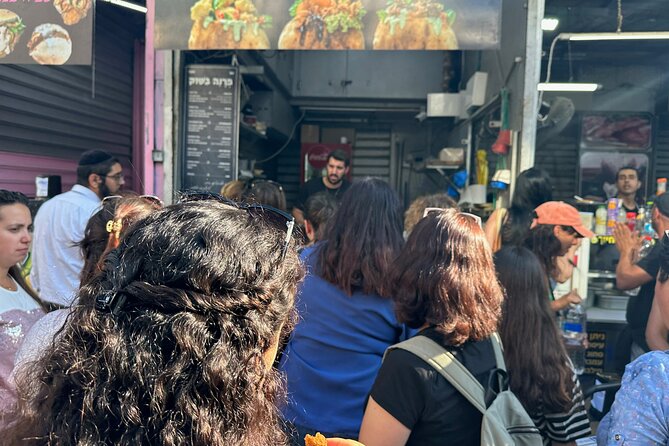
At first, the market can feel more commercial than culinary. The early stretch includes clothing, household goods, souvenirs, and other inexpensive merchandise. That is part of the Carmel Market experience, but it may surprise you if you expect food stalls from the first step.
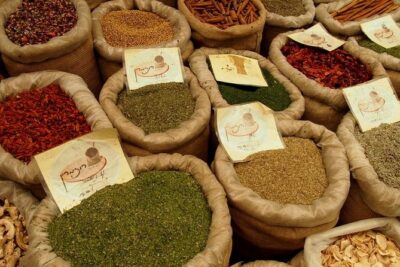
As you move farther in, the food takes over. You pass bakeries, spice sellers, produce stands, prepared-food counters, and small shops. The route covers about 1.2 kilometers, or three-quarters of a mile, so this is not a long walking tour. The challenge comes from the market surface and the crowds rather than distance.
Wear shoes with good grip. Bring water, a hat, and sunscreen, since the tour runs rain or shine and some sections are exposed. The market is not recommended for wheelchair users or people with mobility impairments.
More carmel market tours in Tel Aviv:
- Carmel Market Tasting Tour – LocaLocal
★ 5.0 · 140 reviews - Tel Aviv: Jaffa & Carmel Market Walking Tour
★ 4.7 · 60 reviews - Tel Aviv: Carmel Market & Tel Aviv Tour with Tastings
★ 3.8 · 36 reviews
Tasting malawach with a Yemenite accent
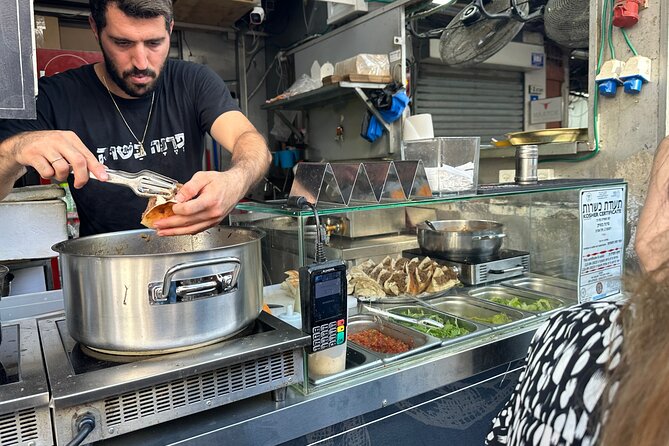
Malawach is one of the most useful reasons to choose this tour. This Yemenite specialty is a flaky, pan-fried bread, often served with fillings or toppings. Here, it appears in sandwich form, giving you a taste of Yemenite influence within modern Israeli street food.
The dish is filling and works well early in a food walk because it gives you a clear sense of the tour’s style. You are not simply sampling tiny portions of unrelated snacks. The food stops are meant to build toward lunch.
The drawback is that bread-based food can add up quickly. Malawach, pita, baked bread, and other sandwich-style tastings may leave you full before the tour reaches sweets. If you prefer a food tour built around drinks, fruit, salads, or many small samples, this one may feel narrow.
The route also includes shredded beef in pita. This is another hearty stop, with the meat and bread offering a familiar street-food combination. It gives the tour a different texture from falafel and hummus, though it continues the pattern of substantial handheld food.
Falafel, hummus, and sabich in the market lanes
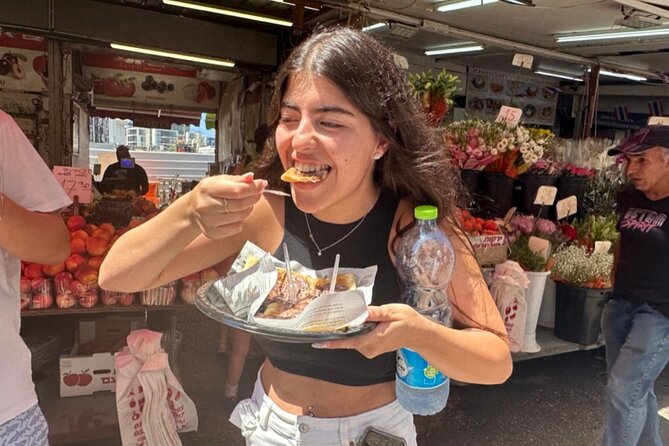
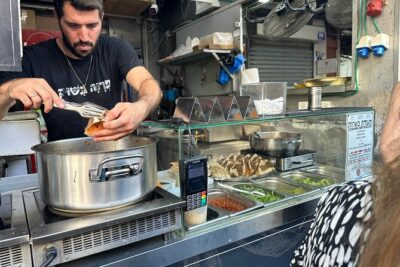
The familiar Israeli favorites arrive alongside less familiar foods. Fresh falafel is an important stop, and you can expect it to be served as market food rather than as a formal restaurant course. Hummus adds a creamy, savory counterpoint to the fried and baked items.
Sabich is especially useful for understanding how several food traditions meet in Israel. It is commonly associated with Iraqi Jewish cooking and is served in pita, making it another portable market meal. The tour places these dishes in the setting where people buy and eat them, rather than separating the food from daily life.
You also taste Syrian olives, fresh bread, and fragrant spices. These stops matter because they show how much of the experience comes from ingredients and vendors, not just prepared dishes. The guide can point out how Jewish communities from North Africa, the Middle East, and Europe helped shape Israeli cuisine.
Do not expect a lecture on every stall. The tour is short, and the guide has to keep the group moving. The best value comes when you ask direct questions about a food, its origin, or how locals eat it.
Sweet stops with halva and baklava
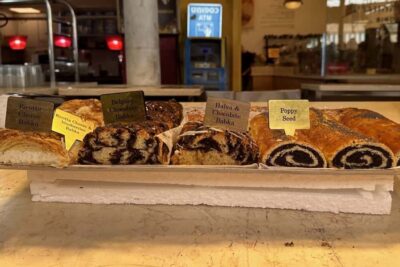
The dessert portion includes halva and baklava, two Middle Eastern staples with very different textures. Halva is dense and crumbly, while baklava is layered, syrupy, and often filled with nuts. These sweets make a good finish after the savory tastings.
The dessert stops also help balance the tour’s heavier foods. Still, the available tasting description does not promise a large dessert selection, and one account of the tour found all four tastings bread-based with no fruit or drink. If sweets are your main reason for booking, keep expectations modest.
Additional purchases are not included. That is worth remembering because Carmel Market makes it easy to keep spending after the official stops. You may want spices, olives, sweets, or bread to take away, but those extras come from your own budget.
A few more Tel Aviv trips to weigh up
- Tel Aviv Food Tour of the Carmel Market
★ 4.0 · 29 reviews - Carmel Market Tasting Tour
★ 5.0 · 25 reviews - Levinsky Market Tasting Tour
★ 5.0 · 8 reviews - GoKEDEM Golan Heights ATV Action & Wine-Tasting Tour From Tel Aviv
★ 5.0 · 8 reviews
Family vendors and stories of Tel Aviv
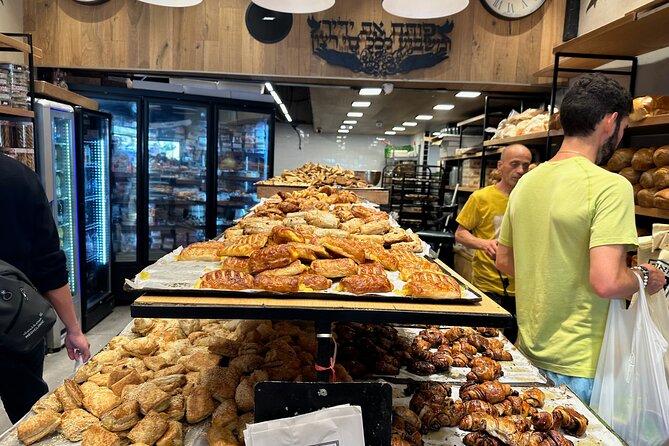
The guide’s role is not limited to handing you food. You are also meant to learn how outdoor markets work, how street vendors build a livelihood, and how Carmel Market fits into Tel Aviv’s growth.
The tour visits family-run businesses that have operated for generations. That gives the walk a personal scale. Instead of treating the market as a collection of anonymous stalls, you get a look at the people and working habits behind the food.
The historical material covers Jewish communities and the development of Israeli cuisine. Some visitors may find the background too basic, especially if they already know a fair amount about Jewish history or have taken several food tours. One account specifically found parts of the history familiar from school.
That said, context is useful when it stays tied to what you are eating. A short explanation of Yemenite malawach, Syrian olives, or sabich can make a greater impression than a long general history talk. I would approach this as a food-centered introduction to the market, not as a detailed history seminar.
The market’s people-watching and street life
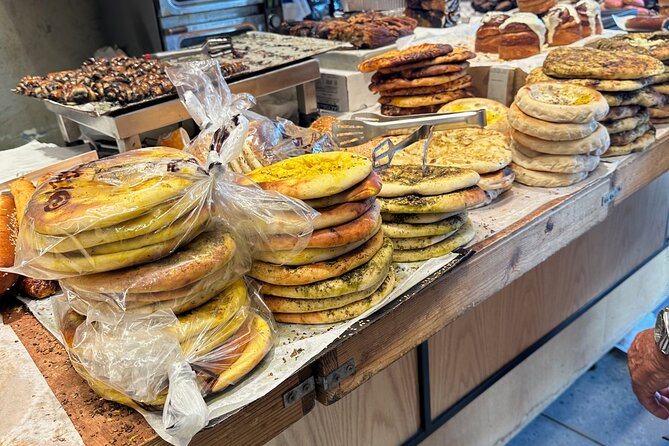
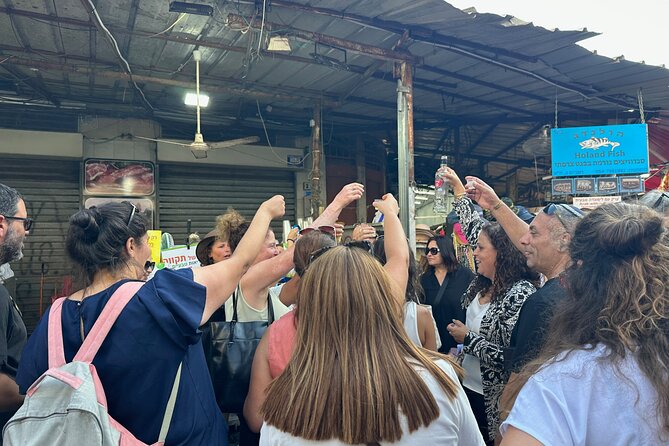
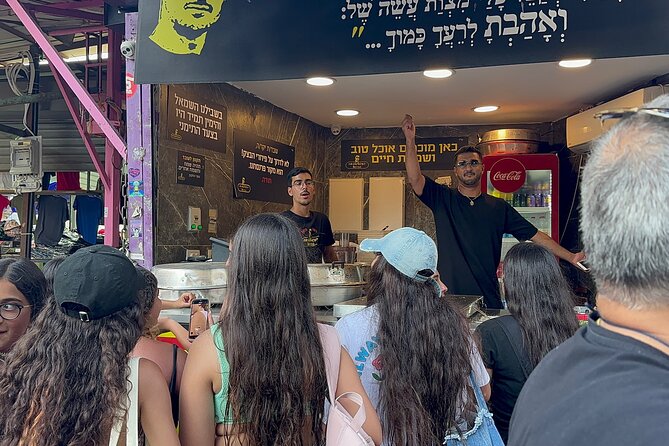
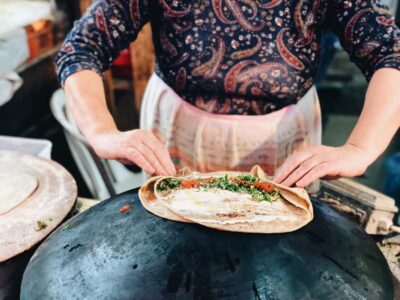
The strongest part of Carmel Market may be the setting. You might see vendors preparing food, hear music, and find people eating and socializing near the central sections. One particularly memorable detail is an older woman making a large pita-like crepe on a pillow, a traditional technique that brings the market’s food culture to life.
This is also a good tour for noticing the contrast between the market’s different sections. The merchandise stalls at the entrance give way to food vendors, bakeries, spices, and prepared dishes. The shift helps you understand how the market functions rather than simply passing through the most photogenic stalls.
Your guide may take photographs during the experience and send them through WhatsApp or Dropbox afterward. If you do not want to be photographed, tell the guide at the start. The provided information does not explain how many photos you will receive or when they will arrive.
Guide quality and group size
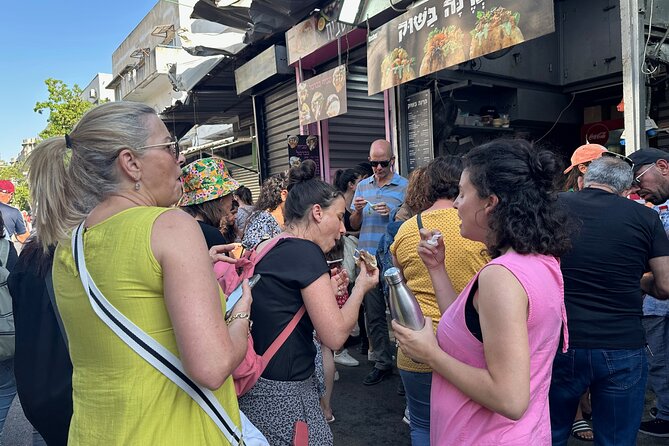
The tour is conducted in English with a licensed local guide. The maximum group size is 15 people, which is small enough for questions but large enough to affect movement in narrow market lanes.
Alina is named as a guide who has introduced people to foods they had not tried on earlier visits to Israel. That is a useful strength if you want more than the standard hummus and falafel circuit. Her approach appears to include both food and cultural background.
There is also a practical caveat. One outing began late, and the guide had difficulty speaking English clearly. That does not mean every departure will have the same issue, but it is a fair reason to arrive early and confirm the meeting corner. If clear, detailed English explanations are essential to you, a private group may offer a better fit, though the supplied information does not state its extra cost.
A private option is available. This can be useful for families or groups who want to move at their own pace, ask more questions, or manage dietary concerns. No specific dietary substitutions are promised, so you should ask before booking if you have allergies or strict food restrictions.
Is $63 fair for 90 minutes?
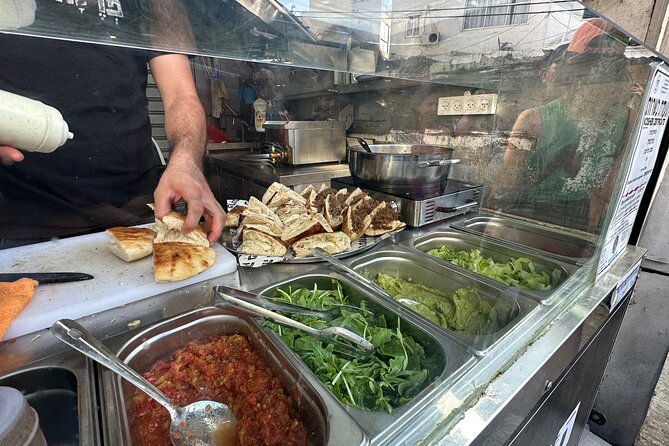
At $63 per person, the price is not low for a short market walk. Its value depends on what you want included.
The fee covers the guide and enough food tastings to equal a substantial lunch. If you would otherwise buy several dishes while exploring alone, the cost can make sense. You also get local orientation, explanations of the market, and introductions to vendors you might pass without noticing.
The value is weaker if the tour lasts only an hour or if you want a broad range of samples. Food walks around markets can feel expensive when most tastings are bread-based and drinks or fruit are not included. You should also allow money for any treats or ingredients you want to buy afterward.
I would compare this tour with the cost of a normal lunch in Tel Aviv, then ask how much guidance you need. If you are comfortable ordering food on your own, you can spend less by browsing independently. If you want a planned route, several dishes, and some cultural explanation without arranging every stop yourself, the price is easier to justify.
Timing, pace, and what you will actually eat
The activity information gives a duration of 90 minutes, while the included description also refers to a 2.5-hour walking tour. Those details do not match, so you should treat the tour as a short outing and confirm the current schedule before paying.
Reports of actual duration range from about one hour to less than two hours. That matters because the number of tastings and the amount of explanation depend on how quickly the group moves. A shorter tour can still provide a satisfying lunch, but it leaves less time for browsing, questions, and market stories.
The stated food list includes:
- Malawach sandwich
- Shredded beef in pita
- Falafel
- Hummus
- Sabich
- Syrian olives
- Fresh bread
- Halva
- Baklava
You should not assume every item will appear in a fixed order or in equal portions. The activity is built around working vendors, and market conditions can affect what is available. The information promises tastings throughout Carmel Market, not a specific number of stops or drinks.
Infants from zero to one year old are free but do not receive food samples. Children and infants must be with at least one paying adult. Since the route is short but takes place in a crowded market, families should consider whether young children will manage the pace and surfaces comfortably.
Who will enjoy this Carmel Market walk?
I would recommend it to first-time visitors who want a quick introduction to Israeli market food without planning their own route. It also suits people who enjoy trying several filling dishes and want a guide to explain the mix of Yemenite, Middle Eastern, North African, European, and Mediterranean influences.
It is a particularly good match if you enjoy atmosphere as much as eating. Music, dancing, vendors, bread preparation, and the market’s changing sections may be more memorable than any single tasting.
You may want another option if you need wheelchair access, have mobility limits, or want a slow, relaxed stroll. The route is short, but the market itself can be difficult to navigate. You may also be disappointed if you expect wine, coffee, fruit, or a carefully balanced menu of tiny tastings.
Come hungry, but not ravenous. The food is intended to equal a substantial lunch, and the early bread and sandwich stops can be surprisingly filling. If you plan to eat dinner soon afterward, consider sharing some purchases rather than adding extra food at every stall.
Should you book it?
Book this tour if you want a compact, food-heavy introduction to Carmel Market, with a Yemenite twist and plenty of street atmosphere. The strongest reasons are the malawach, family vendors, falafel, sabich, Middle Eastern sweets, and the chance to see the market through a local guide’s eyes.
Think twice if the advertised timing is important, if you want more than bread-based tastings, or if you require polished English commentary. Before booking, confirm the actual start time and expected duration. For a first look at Carmel Market that also feeds you well, this can be a worthwhile choice, especially when you value local flavor over a formal restaurant meal.
FAQ
Where does the tour meet?
Meet on the corner outside the Poli House hotel, at the junction of Carmel Market and Allenby Street.
How long is the tour?
The activity is advertised as 90 minutes, although the provided information also mentions a 2.5-hour walking tour. Some outings have lasted about one hour, so confirm the current timing before booking.
What food is included?
Tastings can include malawach, shredded beef in pita, falafel, hummus, sabich, Syrian olives, fresh bread, halva, and baklava. The tastings are intended to equal a substantial lunch.
Is the tour conducted in English?
Yes. The tour has a live English-speaking local guide. A private group option is also available.
How far do you walk?
The route covers about three-quarters of a mile, or 1.2 kilometers, through Carmel Market.
Can wheelchair users join?
No. The tour is not recommended for wheelchair users or people with mobility impairments.
More Markets in Tel Aviv
- Tel Aviv: 2-Hour Carmel Market Tour in English with Lunch
★ 4.8 · 23 reviews - Tel Aviv: 2-Hour Levinsky Market Tour with Full Lunch
★ 4.7 · 10 reviews - Tel Aviv: 2-Hour Jaffa Flea Market Tour with Tastings
★ 4.9 · 8 reviews - Jaffa Flea Market Tasting Tour
★ 5.0 · 3 reviews
More Food in Tel Aviv
- Urban Walking & Food Tour in Tel Aviv
★ 5.0 · 7 reviews - Tel Aviv: Carmel Market Food Tasting Tour “Shuk Hacarmel”
★ 5.0 · 5 reviews - Food & Drink Private Guided Tour in Tel Aviv
★ 5.0 · 3 reviews - Mahane Yehuda Market food tour jerusalem
★ 5.0 · 11 reviews
Just added around Tel Aviv
- private Full-day Tour to Jericho + the Dead Sea★ 5.0 · 3 reviews
- VIP Tel Aviv airport Terminal 3 Fast Track Skip Line From plane★ 4.5 · 9 reviews
- Jerusalem and Dead Sea Trip from Tel Aviv★ 4.0 · 6 reviews
- Package VIP Skip Line Services in BGN Airport with Transfer to Tel aviv Hotels★ 5.0 · 3 reviews
- Food & Drink Private Guided Tour in Tel Aviv★ 5.0 · 3 reviews
- The Golan heights★ 5.0 · 4 reviews
- Haifa Acre and Rosh Ha-Nikra Private Tour from Tel Aviv★ 5.0 · 5 reviews
- Urban Walking & Food Tour in Tel Aviv★ 5.0 · 7 reviews
Carmel Market Tours, compared.
Browse the lists this tour appears in