Reviewed · MARKETS
Mahane Yehuda Market food tour jerusalem
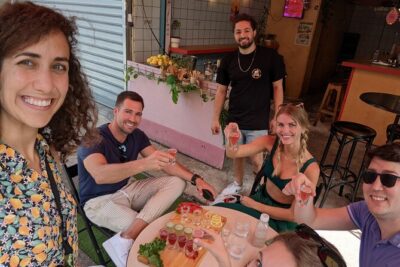
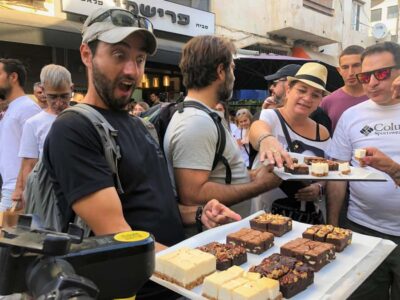
Mahane Yehuda Market is the kind of place best understood with a fork in hand. On this small-group food tour, guide Orit leads you through the market’s stalls and eateries, pairing ten tastings with stories about Israeli food, migration, religion, and daily life. You get far more than a quick sample of hummus.
I like the generous amount of food and the way the tour connects ingredients to culture. I also like the compact group size, capped at 12 people, which should make it easier to hear Orit and ask questions. The main catch is that the published details list both 10:00 and 10:30 as start times, so confirm the exact meeting time before setting out.
In This Review
- Key points at a glance
- Why Mahane Yehuda works so well for a food tour
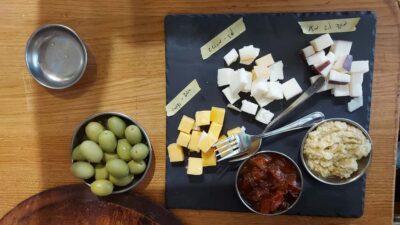
- Ten tastings, from hummus to traditional sweets
- Hummus and arak
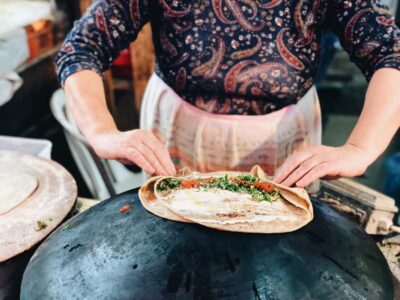
- Falafel and shawarma
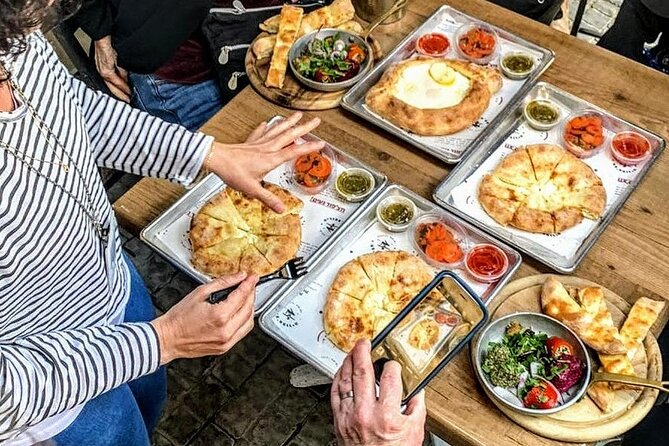
- Kubbeh and hachapuri
- Specialty coffee and sweets
- What the two-and-a-half-hour route feels like
- Orit’s strength is the cultural explanation
- Is $99 a fair price?
- Who should book this experience?
- A few things to keep in mind before you go
- Should you book the Mahane Yehuda food tour?
- FAQ
- Where does the Mahane Yehuda food tour begin?
- Where does the tour end?
- How long does the food tour last?
- What time does the tour start?
- How many tastings are included?
- Who leads the tour?
- How large is the group?
- Is the tour suitable for someone with a sesame allergy?
Key points at a glance
- Ten tastings replace a full meal: Come hungry for hummus, arak, falafel, shawarma, hachapuri, kubbeh, coffee, sweets, and other Israeli specialties.
- Orit leads the experience: Her focus covers food preparation, ingredients, cultural background, religion, and the forces that shaped Israeli cuisine.
- Mahane Yehuda is the setting: You explore a Jerusalem market that began as a late-19th-century farmers’ market under Ottoman rule.
- The group is limited to 12 people: That is a useful size for moving through crowded aisles without losing the guide.
- The tour lasts about two and a half hours: The end point is the same as the meeting point on Agripas Street.
- Sesame is an important warning: This experience is not recommended for people with a sesame allergy.
Why Mahane Yehuda works so well for a food tour
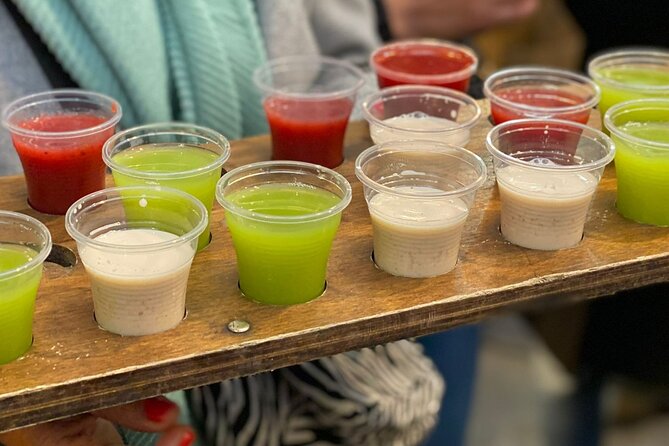
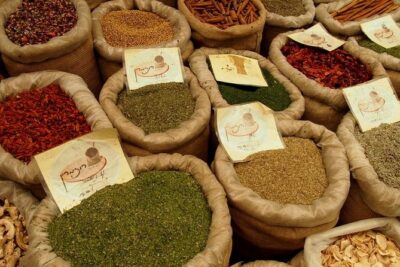
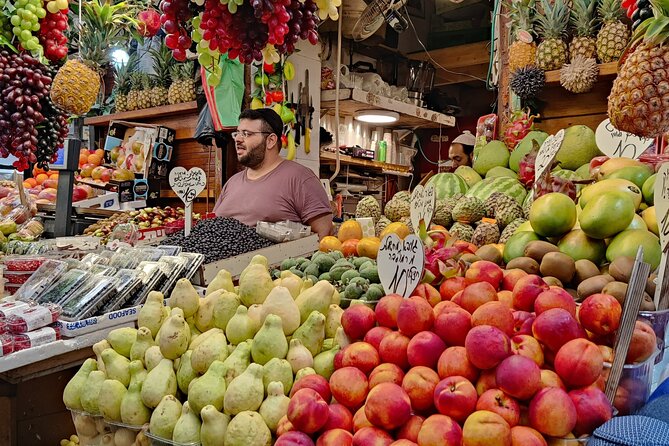
Mahane Yehuda began as a place where farmers from nearby villages sold freshly picked produce. It later grew into one of Jerusalem’s best-known food markets, with produce stands, prepared-food counters, bakeries, spice sellers, cafés, and specialty shops.
That background matters because the market is not just a row of restaurants. It shows how food moves from field to stall to table. You can look at the ingredients, watch vendors work, and then taste the finished dish. A guide helps you connect those pieces instead of treating the market as a series of unrelated snacks.
The tour also gives you a useful way to think about Israeli cuisine. There is no single dish that tells the whole story. Hummus, falafel, kubbeh, shawarma, baked goods, coffee, pickles, sweets, and seasonal produce reflect different communities and food traditions that now meet in Israel.
Orit’s role is central here. Her tours are praised for explaining not only what you are eating, but also how dishes are prepared and where their traditions come from. She also brings in wider subjects, including religious history and present-day Israeli society. That makes the food easier to understand and gives the market more meaning.
A few more Jerusalem trips to weigh up
- Carmel Market Tasting Tour – LocaLocal
★ 5.0 · 140 reviews - Tel Aviv Food Tour of the Carmel Market
★ 4.0 · 29 reviews - Carmel Market Tasting Tour
★ 5.0 · 25 reviews
Ten tastings, from hummus to traditional sweets
The tasting list is the strongest reason to book this tour hungry. You are not signing up for one appetizer and a dessert. The experience promises ten samples, and the selection is intended to work as a full meal.
Hummus and arak
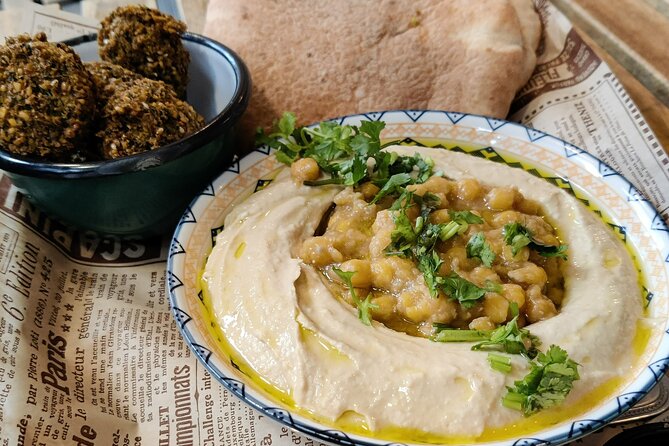
Hummus gives the tour a familiar starting point, but the point is not simply to confirm that you like hummus. Orit can use it to discuss ingredients, preparation, and the place of shared dishes in Israeli meals.
Arak adds a local drink to the mix. It is a strong anise-flavored spirit, so you may want to pace yourself, especially with many more tastings ahead. The combination of hummus and arak helps set the tone: food here is social, generous, and tied to long-standing regional habits.
Falafel and shawarma
Falafel is one of the market foods most people already know, yet it is worth tasting in its home setting. A market sample lets you compare the texture, seasoning, and accompaniments with versions you may have eaten elsewhere.
Shawarma brings a different profile, with roasted meat and warm spices. Together, falafel and shawarma show two familiar paths through Israeli street food: one based on legumes and one based on slowly cooked meat.
The tour description does not specify the exact vendors or serving sizes. That is worth keeping in mind if you are hoping for a particular stall. The food list is clear, but the precise stops can change with availability.
Same coast, a completely different kind of day:
- From Jerusalem: Masada & Dead Sea Full Day Tour with Pick Up
★ 4.5 · 815 reviews - Masada and the Dead Sea Day Trip from Jerusalem
★ 4.5 · 757 reviews - From Jerusalem: Nazareth and Sea of Galilee Tour
★ 4.5 · 588 reviews - Nazareth and the Sea of Galilee Day Trip from Jerusalem
★ 4.5 · 446 reviews
Kubbeh and hachapuri
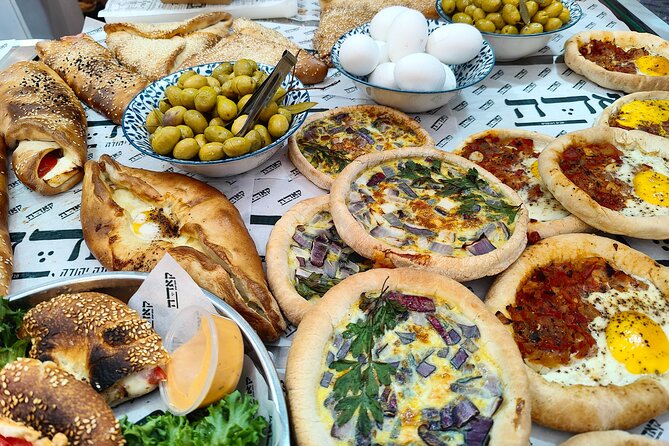
Kubbeh reflects the food traditions brought by Jewish communities from the Middle East. It may appear in different forms, but the dish generally centers on a bulgur or semolina shell with a filling. It is a good example of how a food can carry family and regional identity into a modern market.
Hachapuri comes from Georgian cuisine. Its presence gives the tour a broader reach than a simple list of standard Israeli dishes. The market’s food culture includes many communities, and Georgian baking is part of that story.
These tastings are especially useful if you want to understand Israeli cuisine as a meeting place rather than a fixed menu. Orit’s background in food and culture helps explain that connection as you eat.
Specialty coffee and sweets
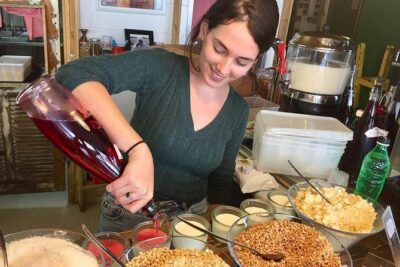
Coffee gives you a pause in the middle or later part of the walk. The tour includes specialty coffee, which may appeal to people who care about roasting, preparation, and the role of cafés in city life.
Traditional sweets provide the finish. The exact pastries or confections are not named, so you should expect the selection to depend on the market’s offerings that day. Still, ending with sweets gives the tour a proper meal-like shape and helps explain why you should not eat breakfast immediately before the meeting.
The food is generous enough that one participant described receiving at least ten different dishes and not needing another meal. That is useful practical advice. Treat the tour as brunch or lunch, not as a light introduction before a restaurant booking.
What the two-and-a-half-hour route feels like
The experience begins at Agripas Street 88 and ends back at the same meeting point. Since the market can be crowded and the tasting schedule includes many stops, the tour is likely to feel active rather than leisurely, even though the total walking time is only about two and a half hours.
You should expect to move between food counters and market stalls while Orit explains what you are seeing. The tour promises both traditional and modern cuisine, so the route is not limited to old recipes. That mix is valuable because it shows how a historic market keeps changing while remaining tied to local food habits.
The produce element is another plus. You learn how to choose high-quality seasonal ingredients, not just how to eat prepared food. That advice can improve the rest of your market visit, especially if you plan to return on your own to buy spices, fruit, vegetables, or packaged foods.
The group limit of 12 is small enough to support conversation without making the tour private. It also helps with the practical problem of moving through narrow market passages. If everyone arrives on time, the guide should be able to keep the group together while still giving individuals a chance to ask about dishes and ingredients.
The tour starts in the morning, but the supplied details conflict slightly. One part lists 10:00 am, while the meeting information gives 10:30 am. Confirm the exact time after booking. This is a minor issue, but arriving late to a food tour can mean missing the first tasting and the initial orientation.
Orit’s strength is the cultural explanation
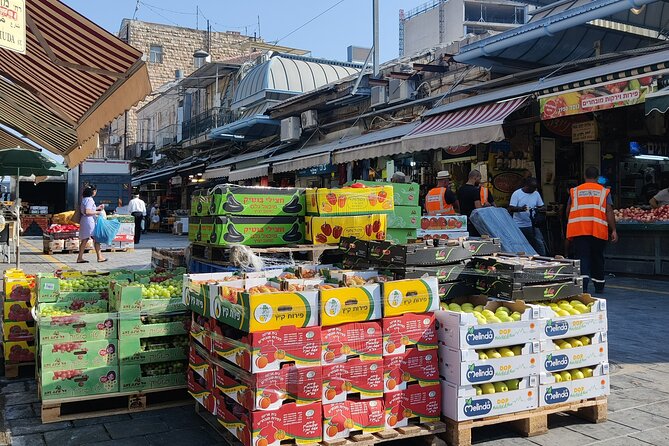
The most consistent praise centers on Orit. Her approach combines food with the wider story of Israel. She explains preparation and ingredients, but she also addresses the origins and changes of Israeli cuisine.
That broader view is useful in Jerusalem, where food often carries religious, ethnic, and family meaning. You may hear about how different communities shaped the dishes now sold in the market. You also get a guide who can place the market in the context of the current Israeli scene.
Her ability to work with a mixed-age group is another practical strength. Feedback describes groups ranging from ages 30 to 70, with Orit adjusting her timing and attention to suit different needs. That does not mean every part of the tour will move at your preferred pace, but it suggests a considerate guiding style.
Several experiences with Orit lasted much longer than this market walk and included culinary touring around Israel. Those accounts point to a guide who treats food as a serious subject without making the experience stiff. For this shorter tour, that combination should work well: enough background to make the tastings meaningful, but not so much lecture that the market disappears.
Is $99 a fair price?

At $99 per person, this is not the cheapest way to eat at Mahane Yehuda. You could buy individual snacks on your own for less, especially if you are careful about portions.
The value comes from what the price includes beyond the food. You get ten tastings, a guided route, interpretation of the market, and explanations of Israeli culinary traditions. The food is meant to substitute for a full meal, so compare the price with a substantial lunch plus a private or small-group guide, rather than with the cost of one falafel.
I would consider the price reasonable for first-time visitors who want a clear introduction to the market and prefer not to guess which stalls are worth trying. It is also useful if you want context about ingredients and communities, not just a list of things to eat.
I would be less quick to book at this price if you already know Mahane Yehuda well and mainly want to browse independently. One person who had visited the market many times still found the guided route valuable, but that depends on how much you want interpretation. If you enjoy choosing your own food and setting your own pace, the tour may feel structured.
Who should book this experience?

This tour suits you if food is one of your main reasons for visiting Jerusalem. It is particularly useful for first-time visitors who want an introduction to the market without spending hours deciding where to stop.
It also fits people who like cultural background with their meals. Orit covers food origins, cooking, ingredients, religion, and Israeli society, so the experience reaches beyond restaurant recommendations.
Come with an appetite. Ten tastings can be a lot, and the food is described as generous. A light breakfast, comfortable walking shoes, and a willingness to share samples with the group will make the morning easier.
The tour is not recommended for people with a sesame allergy. Sesame is common in hummus, tahini, falafel accompaniments, breads, and other foods in this part of the world, so this warning deserves serious attention. If you have other dietary restrictions, the supplied information does not state how they are handled, so ask before booking.
Most people can participate, and service animals are allowed. The market is near public transportation, which makes the meeting point practical, although no specific route or station is provided.
A few things to keep in mind before you go
The tour uses a mobile ticket, so keep your booking confirmation accessible on your phone. Confirmation is sent within 48 hours, subject to availability.
Free cancellation is available if you cancel at least 24 hours before the local start time. Cancellations or changes made inside that window are not accepted for a refund.
The group can include up to 12 people. That is not a private tour, but it is far more manageable than a large coach group. If you want the best chance to hear every explanation, stay close to Orit when the market gets crowded.
The meeting point and end point are the same: Agripas Street 88, Jerusalem. Since the published information gives two different start times, check the final confirmation rather than relying on the earlier 10:00 am reference.
Should you book the Mahane Yehuda food tour?
Book it if you want a meal-sized introduction to Israeli food, a guide who can explain the culture behind it, and a small enough group for real conversation. The ten tastings make the $99 price easier to justify, especially when you count the value of a full lunch and two and a half hours of guidance.
Skip it if you prefer to graze alone, already know Mahane Yehuda well, or want a precise vendor-by-vendor itinerary. The food list is broad, but the exact stops are not specified.
For most food-focused visits to Jerusalem, I would put this tour early in the schedule. It can give you a working map of the market, teach you what to look for, and leave you with enough ideas to return on your own.
FAQ
Where does the Mahane Yehuda food tour begin?
The tour begins at Agripas Street 88 in Jerusalem.
Where does the tour end?
The activity ends back at the meeting point on Agripas Street 88.
How long does the food tour last?
The tour lasts approximately two hours and 30 minutes.
What time does the tour start?
The meeting details list a 10:30 am start, while another part of the published information says 10:00 am. Confirm the exact time after booking.
How many tastings are included?
The experience includes ten tastings, including hummus, arak, falafel, shawarma, hachapuri, kubbeh, specialty coffee, traditional sweets, and other foods.
Who leads the tour?
The guide is Orit, who explains Israeli food, ingredients, preparation, cultural traditions, and the development of Israeli cuisine.
How large is the group?
The tour has a maximum of 12 participants.
Is the tour suitable for someone with a sesame allergy?
No. The experience is not recommended for people with a sesame allergy.
More Shopping Tours in Jerusalem
- Tel Aviv: 2-Hour Carmel Market Tour in English with Lunch
★ 4.8 · 23 reviews - Tel Aviv: 2-Hour Levinsky Market Tour with Full Lunch
★ 4.7 · 10 reviews - Levinsky Market Tasting Tour
★ 5.0 · 8 reviews - Tel Aviv: Carmel Market Food Tasting Tour “Shuk Hacarmel”
★ 4.0 · 8 reviews
More Markets in Jerusalem
- Private Market Culinary Tour in Jerusalem
★ 5.0 · 4 reviews - Private Tour to the Culinary World of Jerusalem Market
★ 5.0 · 3 reviews - Tel Aviv: Jaffa & Carmel Market Walking Tour
★ 4.7 · 60 reviews - Tel Aviv: Carmel Market & Tel Aviv Tour with Tastings
★ 3.8 · 36 reviews
Just added around Jerusalem
- full day tour Jerusalem price per van up to 6 people★ 5.0 · 8 reviews
- Tour of Jerusalem & Dead sea private tour★ 5.0 · 4 reviews
- West Bank Tour from Jerusalem and Tel-Aviv – Bethlehem & Jericho★ 5.0 · 6 reviews
- jerusalem classic tour★ 5.0 · 3 reviews
- Privet Tour – FROM JERUSALEM TO JERICHO & THE DEAD SEA★ 5.0 · 8 reviews
- Experience Shabbat With Dinner In Jerusalem★ 5.0 · 5 reviews
- Private Tour: Old City of Jerusalem Christianity Tour★ 5.0 · 5 reviews
- Private Silk Painting Workshop in Jerusalem – Create a scarf –★ 5.0 · 4 reviews