
Reviewed · WALKING TOURS
Kabbalah Heritage Walk
Safed is not just a pretty hill town. It is the place where 16th-century Kabbalah became closely tied to Jewish religious life, and this walk takes you to the streets, synagogues, and sacred sites connected with that story. Rabbi Shmuel Kopel leads the tour as a Talmudic scholar, so you get more than a quick account of old buildings.
I like the small maximum group of 15, which gives you a fair chance to ask questions. I also like the clear link between the city’s Kabbalistic teachers and practical Jewish law today. The main consideration is timing: the walk lasts about 90 minutes, and the published schedule contains some conflicting details, so confirm the departure time and meeting point before setting out.
In This Review
- Key points to know before booking
- Why Safed matters to Kabbalah
- Starting at Kikar HaMeginim
- Meeting the sages of 16th-century Safed
- Historic synagogues and the city’s sacred identity
- What Rabbi Shmuel Kopel adds
- How much time and money should you allow?
- Who will get the most from this walk?
- Practical planning for your Safed visit
- Should you book the Kabbalah Heritage Walk?
- FAQ
- Where does the Kabbalah Heritage Walk take place?
- Is the general location listed as Tiberias or Safed?
- How long does the tour last?
- What time does the tour start?
- Who leads the experience?
- Which historical figures are connected with the tour?
- How many people can join the group?
- Is the tour suitable for most people?
- Can I cancel for a full refund?
Key points to know before booking
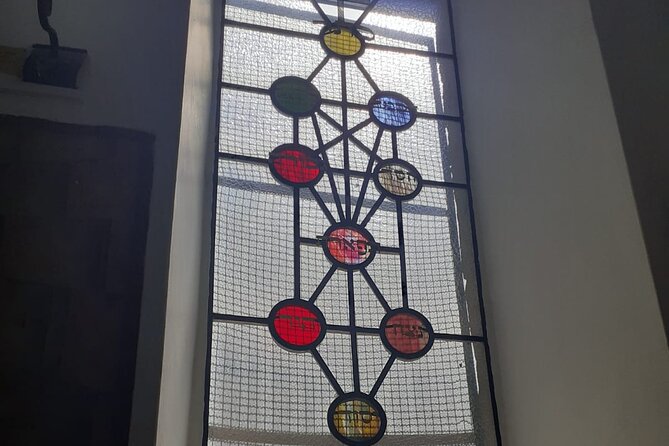
- Safed is the real setting: The experience is described as a walk in Safed, also called Zefat, although the general location is listed as Tiberias.
- Rabbi Shmuel Kopel leads the walk: You explore Kabbalah with a Talmudic scholar who can answer questions about its ideas and traditions.
- The 16th-century sages are central: Sites relate to Rabbi Moshe Cordivero, the Alkabetz, Isaac Luria, and Rabbi Yosef Cairo.
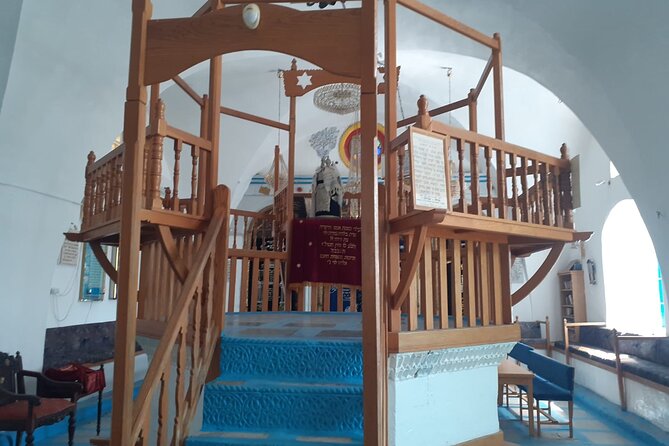
- Historic synagogues add a physical sense of place: You visit several old synagogues and learn about the rabbis associated with them.
- The group is limited to 15 people: That is a useful size for a subject that invites questions and discussion.
- Plan for roughly 90 minutes: The walk starts at Kikar HaMeginim and returns there, with one scheduled departure most days.
Why Safed matters to Kabbalah
Kabbalah is the mystical and once-secretive side of Judaism. For centuries, its teachings were not widely available to the public. Safed became the best-known center for Kabbalistic study in the 16th century, when several major Jewish thinkers taught and prayed here.
That setting gives this tour its purpose. You are not hearing a general lecture about Kabbalah in a hotel room. You are walking through the city where important teachers lived, taught, and shaped Jewish thought.
I find the connection between place and idea especially useful here. A name such as Isaac Luria can feel remote when you meet it in a book. Standing in a city where his teachings still shape local religious identity makes the subject easier to follow. The same applies to Rabbi Moshe Cordivero and the Alkabetz, whose work is tied to Safed’s spiritual life.
The walk also places Kabbalah beside mainstream Jewish law. Rabbi Yosef Cairo, author of the Shulchan Aruch, lived in Safed. That work became the most authoritative guide to Jewish religious law, so the city’s importance is not limited to mystical thought.
You should not expect a complete course in Kabbalah in 90 minutes. You can expect a guided introduction to the people, places, and ideas that made Safed important. If you arrive with a few questions, the format gives you a good chance to ask them.
A few more Israel trips to weigh up
- Jerusalem Yad Vashem Holocaust History Museum Tour
★ 5.0 · 98 reviews - Jerusalem Christian Heritage Private Tour
★ 5.0 · 9 reviews - Jerusalem World Heritage Private Tour
★ 5.0 · 5 reviews
Starting at Kikar HaMeginim
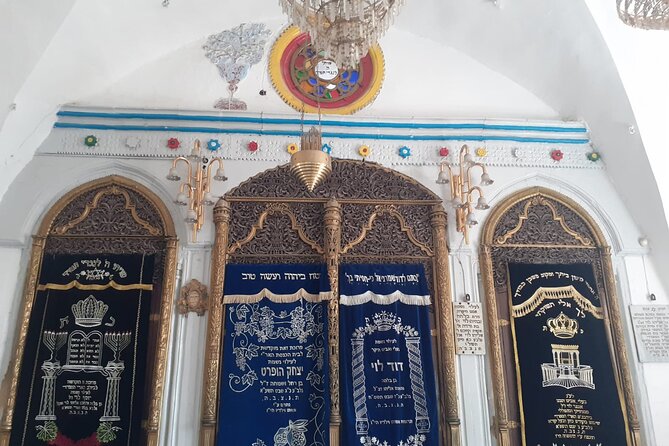
The walk begins at Kikar HaMeginim in Safed. This central meeting point keeps the outing simple: you meet the guide, set off on foot, and finish at the same place.
Because the tour is short, arriving ready to walk matters. The activity does not describe transportation between stops, so you should think of this as a true heritage walk rather than a driving tour with brief visits. The historic center of Safed is the focus, and the value comes from seeing related sites in sequence.
The schedule is listed as one departure per day from Sunday through Thursday at 1:30 p.m. Friday’s start is listed as 11 a.m. Other times may be arranged in advance if available. There is also a separate opening-hours entry showing Monday from 1:30 p.m. to 2:30 p.m., which does not fully match the broader schedule.
That mismatch is worth checking before you book. The tour details identify Kikar HaMeginim as the start and end point, but you should confirm the exact date, time, and location with the provider, especially if you are building a day around the walk.
Meeting the sages of 16th-century Safed
The most important part of the outing is the stop-by-stop connection between a physical site and a particular teacher. At each location, Rabbi Kopel explains what the relevant sage taught and how those ideas affected Jewish life.
Rabbi Moshe Cordivero is one of the major figures linked to Safed. The tour places him within the city’s Kabbalistic tradition, helping you see that Kabbalah was not one single school with one voice. Different teachers developed and explained its ideas in their own ways.
The Alkabetz is another figure included in the walk. His association with Safed adds to the sense that this was a working center of religious study, not merely a town later given a spiritual reputation.
Then comes the Holy Ari, Isaac Luria, one of the best-known names in Kabbalah. His presence is a major reason Safed appears so often in accounts of Jewish mysticism. A local guide can explain why his name matters in the context of the city and how his teachings fit into the wider story.
You will not simply collect names. The stated aim is to connect each sage’s teaching with its practical effect on Judaism today. That approach makes the tour more useful for anyone who wants context rather than a list of famous rabbis.
Historic synagogues and the city’s sacred identity
The walk includes several historic synagogues. Their importance is not only architectural. Each one is tied to rabbis who prayed or taught there, giving the buildings a direct link to Safed’s religious past.
This is where the tour can help you read the city more carefully. Without guidance, an old synagogue may look like one more stop in a beautiful old quarter. With Rabbi Kopel’s explanation, you can connect the building to a person, a period, and a set of ideas.
Safed is also counted among Judaism’s four sacred cities. The tour explains that status and places it beside the city’s Kabbalistic role. Those are related but not identical stories. Safed was significant as a sacred Jewish city, as a home of leading religious scholars, and as the center of a major mystical tradition.
I like that combination because it keeps the walk from becoming too narrow. If you already know something about Kabbalah, the synagogues and the discussion of Yosef Cairo give you a wider picture. If the subject is new to you, the historic sites provide tangible anchors for unfamiliar ideas.
The supplied details do not promise a full architectural tour, so do not book this expecting an extended study of design or restoration. The emphasis is on the people and traditions associated with the buildings.
Same coast, a completely different kind of day:
- From Tel Aviv: Masada & Dead Sea Full Day Tour with Pick Up
★ 4.5 · 1,496 reviews - From Tel Aviv: Jerusalem and Bethlehem Guided Day Trip
★ 4.3 · 1,316 reviews - Masada and the Dead Sea Day Trip from Tel Aviv
★ 4.5 · 1,014 reviews - Tel Aviv: Jerusalem, Bethlehem & Dead Sea
★ 4.0 · 881 reviews
What Rabbi Shmuel Kopel adds
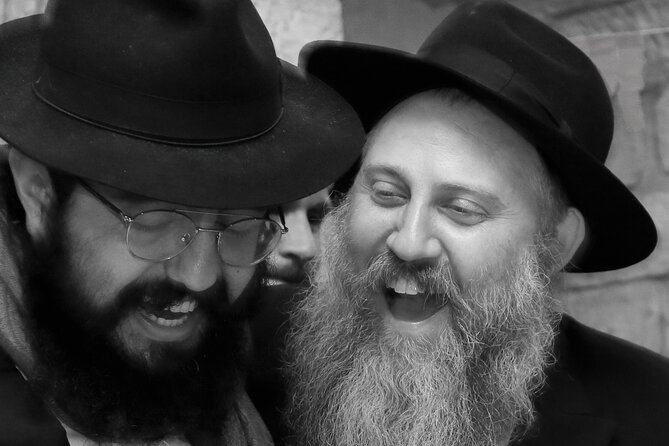
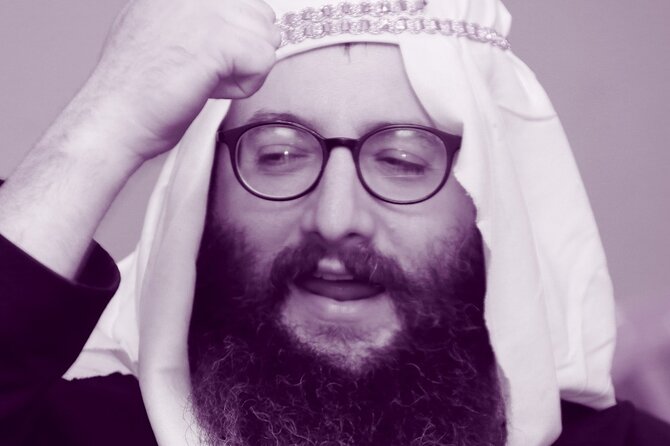
Rabbi Shmuel Kopel is identified as the provider and guide. The tour is led by people who have studied and drawn inspiration from Kabbalistic teachings, and Rabbi Kopel’s role is to explain the subject from that informed religious perspective.
That matters because Kabbalah can be presented in many simplified ways. A short commercial walk could easily turn it into vague talk about mystery and spiritual secrets. This experience is designed instead around Jewish sources, named sages, religious practice, and the way teachings affected Judaism.
You should feel free to ask questions during the walk. The format specifically encourages them, and the maximum group size of 15 supports a more personal exchange than a large city tour. A parent and adult child, for example, can ask about different parts of the story without having to compete with a crowd.
The tone may suit you best if you want an introduction rooted in Jewish tradition. It may be less suitable if you are looking only for folklore, general spirituality, or a fast photo walk. The subject is religious and historical, and the guide’s perspective is part of the experience.
How much time and money should you allow?
The price is $45 per person, with group discounts available. For about 90 minutes, that works out to a reasonable price if you value a specialist guide and a focused explanation of sites you might otherwise pass without understanding.
The value is not in the number of stops alone. It comes from having someone explain why each sage matters, how Kabbalah developed in Safed, and how the city also connects to the Shulchan Aruch. If you are already planning to walk through Safed, the tour gives that walk a clear subject and structure.
The price is harder to justify if you want a broad sightseeing tour of the whole city. The focus is Kabbalah, related Jewish scholarship, and historic synagogues. You should not expect a long list of unrelated attractions.
The tour is often booked about 17 days ahead. That is useful planning information if your schedule is fixed. It also suggests that you should not leave the booking until the last moment, especially since the experience runs only once per day on its regular schedule.
The free-cancellation policy gives you some flexibility. You can cancel for a full refund up to 24 hours before the start time. Changes or cancellations made less than 24 hours ahead are not accepted for a refund.
Who will get the most from this walk?
I would choose this experience if you want to understand why Safed matters to Jewish history and thought, rather than simply photograph its old streets. It should suit visitors interested in Judaism, religious history, Kabbalah, historic synagogues, or the relationship between mystical teaching and religious law.
It can also work well for families with older children or young adults who are ready to ask questions. The short duration keeps the subject manageable, and the small group leaves room for conversation.
You may prefer a different tour if you need a fully general introduction to Safed, a food-focused outing, or a longer architectural walk. The information provided does not promise meals, transport, entry to a large number of museums, or a broad city tour.
Most people can participate, and service animals are allowed. The experience is near public transportation. Since it is a walking activity in an old city, you should still be comfortable moving on foot for the duration, although no special fitness requirement is stated.
Practical planning for your Safed visit
Check the meeting information carefully because the general location is listed as Tiberias while the walk itself is described as taking place in Safed. Kikar HaMeginim is the stated meeting point, and the activity ends there, so you should not assume that transportation from Tiberias is included.
Allow extra time before the start rather than arriving at 1:30 p.m. exactly. This is particularly important because the activity has a single daily departure and a missed start may be difficult to replace.
If you are booking for a group, ask about the group discount before paying. The regular group limit is 15 people, which gives you a useful balance between shared cost and access to the guide.
Friday starts earlier, at 11 a.m. Sunday through Thursday departures are listed at 1:30 p.m. Other times can be coordinated ahead of time, but they depend on availability. Confirm the schedule directly because the published hours do not present one perfectly consistent timetable.
Should you book the Kabbalah Heritage Walk?
Book it if you want a focused, respectful introduction to Safed’s Kabbalistic tradition, led by Rabbi Shmuel Kopel and grounded in named teachers, historic synagogues, and Jewish practice. The small group, question-friendly format, and connection between Isaac Luria, Moshe Cordivero, the Alkabetz, and Yosef Cairo give the walk real substance.
Skip it if you are looking for a general city tour or a broad sightseeing route. At $45, the experience makes the most sense when Kabbalah and Jewish scholarship are central to your interests. Confirm the Safed meeting point and departure time first, then book ahead if your visit dates are firm.
FAQ
Where does the Kabbalah Heritage Walk take place?
The walk takes place in Safed, also called Zefat. The listed meeting point is Kikar HaMeginim in Safed, and the activity ends back at that meeting point.
Is the general location listed as Tiberias or Safed?
The general location is listed as Tiberias, but the tour description says the walking experience takes place in Safed. Confirm the exact meeting details before departure.
How long does the tour last?
The experience is described as lasting approximately 1 hour and 30 minutes. A separate schedule entry displays one hour, so confirm the expected duration when booking.
What time does the tour start?
The regular schedule lists a 1:30 p.m. departure from Sunday through Thursday. Friday departures are listed at 11 a.m. Other times may be arranged in advance if available.
Who leads the experience?
The experience provider and guide is Rabbi Shmuel Kopel. He leads the walk as a Talmudic scholar.
Which historical figures are connected with the tour?
The walk discusses Rabbi Moshe Cordivero, the Alkabetz, Isaac Luria, and Rabbi Yosef Cairo. The tour connects their teachings and work with Safed and Jewish religious life.
How many people can join the group?
The activity has a maximum of 15 travelers.
Is the tour suitable for most people?
Most travelers can participate. The activity is near public transportation, and service animals are allowed.
Can I cancel for a full refund?
Yes. You can cancel up to 24 hours before the experience begins for a full refund. Cancellations or changes made less than 24 hours before the start time are not refunded or accepted.
Just added around Israel
- Sea of Galilee – Off the Beaten Track★ 5.0 · 3 reviews
- private Full-day Tour to Jericho + the Dead Sea★ 5.0 · 3 reviews
- A Day of Spiritual Discovery in the Upper Galilee★ 5.0 · 7 reviews
- VIP Tel Aviv airport Terminal 3 Fast Track Skip Line From plane★ 4.5 · 9 reviews
- Druze Culinary Tour of the Western Galilee★ 5.0 · 6 reviews
- Jerusalem and Dead Sea Trip from Tel Aviv★ 4.0 · 6 reviews
- Package VIP Skip Line Services in BGN Airport with Transfer to Tel aviv Hotels★ 5.0 · 3 reviews
- Food & Drink Private Guided Tour in Tel Aviv★ 5.0 · 3 reviews
Walking Tours, compared.
Jerusalem Walking Tour: In the Footsteps of Jesus
Read our review →

Browse the lists this tour appears in