
Reviewed · DEAD SEA TOURS
Tour of Masada-Dead Sea and Qumran from Jerusalem
Masada is the main event here: a dramatic desert fortress reached by cable car, with Roman baths, Herod’s palace, and huge views toward the Dead Sea. Add Qumran and a proper float in the salt water, and you get a packed day that covers three of the region’s signature sights.
I like the easy hotel pickup and the fact that admission fees, transport, and a professional guide are included. I also like the mix of archaeology and simple fun: one hour at the Dead Sea Scrolls site, three hours at Masada, and two hours for mud and floating. The catch is that this can be a large group of up to 45 people, and one account describes a long shopping stop that left too little free time at Masada.
In This Review
- Key points to know before booking
- Three Judean Desert icons in one long day
- Qumran and the story of the Dead Sea Scrolls
- Two hours at the Dead Sea
- Masada by cable car, from Roman baths to Herod’s palace
- What the guide and group size mean
- Timing, heat, food, and family fit
- Weather and cancellations matter in the desert
- Is $110 a good deal?
- Who should book this day trip?
- Should you book the Masada, Dead Sea, and Qumran tour?
- FAQ
- How long does the tour last?
- What places does the tour visit?
- Is the Masada cable car included?
- Are hotel pickup and drop-off included?
- Are food and drinks included?
- Can children under five join the tour?
- What happens if bad weather cancels the tour?
Key points to know before booking
- Masada is reached by cable car, so you avoid the steep climb and have more energy for the fortress.
- Qumran connects the desert scenery with the Dead Sea Scrolls, giving the day more substance than a beach stop alone.
- The Dead Sea visit lasts about two hours, enough time for mud and floating, but not a leisurely resort day.
- Ariel is one named guide associated with the tour, praised for humor, Israeli history, Jewish culture, and strong personal enthusiasm.
- The $110 price includes the major costs, including hotel pickup, air-conditioned transport, a guide, and entrance fees.
- The group may reach 45 people, so the quality of the day can depend on organization and how much direct guide time you receive.
Three Judean Desert icons in one long day
This tour gives you a fast, practical introduction to the southern end of the Dead Sea region. From Jerusalem, you ride through the Judean Desert to Qumran, continue to the Dead Sea, and visit Masada, King Herod’s fortress, by cable car. The whole outing takes about eight hours.
I like this combination because the stops answer three different questions. Qumran explains why the desert matters to Jewish history. Masada shows the military and royal story of the area. The Dead Sea gives you something active and memorable after all that looking and listening.
The day is not slow. You will spend much of it moving between sites, and the desert heat can make every walk feel longer. Still, hotel pickup and an air-conditioned vehicle remove much of the usual hassle. You do not need to work out separate buses, admission tickets, or the best order of stops.
The advertised price is $110 per person. That is fair value if you use the inclusions: transport from Jerusalem, a guide, Masada admission, Qumran admission, and the cable car. Food and drinks are not included, so bring something to eat or plan to buy food if a stop allows it. You are paying for convenience as much as for sightseeing.
More Dead Sea Tours in Jerusalem
- From Jerusalem: Masada & Dead Sea Full Day Tour with Pick Up
★ 4.5 · 815 reviews - Masada and the Dead Sea Day Trip from Jerusalem
★ 4.5 · 757 reviews - From Jerusalem: Masada&Dead Sea Tour INCLUDING ENTRANCE FEES
★ 4.3 · 392 reviews
Qumran and the story of the Dead Sea Scrolls
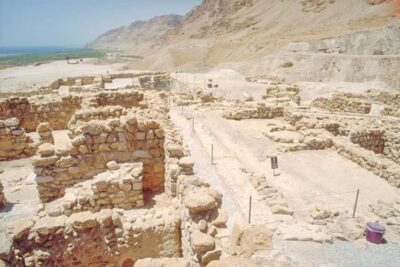
The first listed stop is Qumran National Park, reached by driving along the Dead Sea. You have about one hour here, with admission included.
Qumran is important because the nearby caves produced the Dead Sea Scrolls, a collection of ancient Jewish manuscripts that changed the study of the Hebrew Bible and the religious life of the Second Temple period. The site itself is not a grand city in the usual sense. Its value comes from the connection between the remains, the caves, and the documents found in this stark desert setting.
Your guide is especially useful here. A good explanation can turn scattered ruins and dry rock into a clear story about the people who lived in the area and the writings hidden nearby. Ariel, one guide associated with the tour, is praised for combining humor with detailed discussion of Israeli and Jewish history and culture. That sort of presentation matters at Qumran, where the setting alone does not explain the site.
One hour is enough for an introduction, but do not expect a slow archaeological study. You will want to listen closely and keep an eye on the clock. The heat can be fierce, and shade may be limited, so wear a hat and use sunscreen before leaving Jerusalem.
Qumran also gives you some of the day’s best views toward the Dead Sea. The wide, dry setting helps you understand why the scrolls and the community connected with them feel so remarkable. You are not simply visiting a museum display. You are seeing the kind of isolated place where manuscripts could remain hidden for centuries.
Two hours at the Dead Sea
The Dead Sea stop is built around two simple activities: covering yourself with mineral mud and floating in the famously salty water. You have about two hours, and no separate admission fee is listed for this part of the day.
This is not ordinary swimming. The water is so salty that you can float with very little effort. The sensation is strange and entertaining, especially if you have never experienced it before. The mud adds another memorable touch, though you should follow any local guidance about where and how to apply it.
Plan your clothing with care. Bring a swimsuit, a change of clothes, and shoes suitable for walking around the shore. Sun protection is essential. The desert sun, pale water, and reflective salt can leave you burned quickly, even when the air feels comfortable.
Two hours gives you useful time, but this is not a full spa afternoon. You will also be sharing the stop with the rest of the group, and the exact amount of personal time may depend on the day’s traffic and schedule. The tour description calls this a chance to enjoy the mud and float, not a resort package with meals or treatments.
I like placing this stop within a history-focused day. After Qumran and before or around the Masada visit, the water gives you a physical break from ruins and lectures. It also makes the tour feel less formal. You are not only hearing about the Judean Desert. You are feeling one of its most unusual natural features.
The Dead Sea is beautiful, but take the practical warnings seriously. Do not treat it like a normal swimming pool, and avoid getting salt water in your eyes. The experience is best when you keep it simple: float, rinse off, dry, and save enough energy for Masada.
Masada by cable car, from Roman baths to Herod’s palace
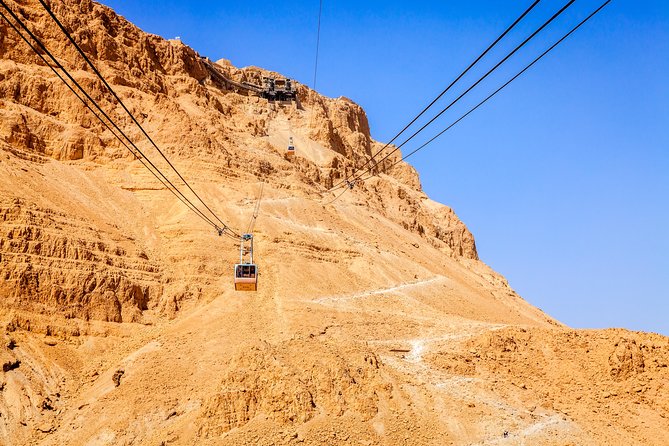
Masada National Park receives the longest stop, about three hours, with admission and the cable car included. That time is valuable because Masada rewards a proper visit rather than a quick photo stop.
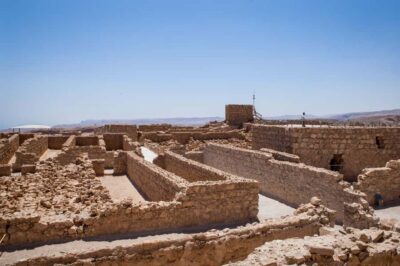
King Herod built the fortress complex on an isolated plateau above the Dead Sea. The remains include palace areas, Roman baths, and other structures that show how a royal retreat and defensive stronghold could function in an unforgiving desert. Your guide leads you through the ruins and explains the final stand of Jewish rebels against Rome in 73 AD.
The cable car is a major practical advantage. You avoid the strenuous ascent and arrive with more time and energy for the site itself. You still need to walk around the plateau, and the heat can be demanding, but the ride makes Masada possible for a wider range of people. The tour notes say most people can participate, though children under five, including infants, are not permitted.
The story of Masada is powerful and difficult. The Jewish rebels held the fortress against Roman forces before choosing mass suicide rather than surrender. Your guide should present the event with care, separating the known archaeological evidence from the later layers of memory and interpretation. This is one of those places where the story is as important as the stones.
Do not rush the views. From the top, you can look across the Dead Sea and the surrounding desert, with the fortress walls and palace remains in the foreground. The setting explains Herod’s choice of site better than any map can. Masada is isolated, defensible, and visually commanding.
The three-hour allocation should normally allow time for a guided walk and some independent looking. That last part matters. One poor experience connected with this tour involved a 45-minute shopping stop and a hurried visit to Masada, with little personal time to wander. That is a serious concern because Masada is the stop where you most want room to pause, take photographs, and absorb the setting.
If the guide announces an optional evening activity or another add-on, remember that it is not part of the core tour. Your priority should be the three included stops. A well-run day keeps the desert sites ahead of commercial detours.
More Masada Tours in Jerusalem
- Masada, Ein Gedi and The Dead Sea from Jerusalem
★ 4.0 · 267 reviews - From Jerusalem: Masada at Sunrise, Ein Gedi & Dead Sea Tour
★ 4.6 · 245 reviews - Dead Sea, Masada and Ein Gedi Day Tour from Jerusalem
★ 4.5 · 126 reviews - Dead Sea, Masada at Sunrise and Ein Gedi Tour from Jerusalem
★ 4.5 · 98 reviews
What the guide and group size mean
The guide can make or break a day like this. You spend hours in a vehicle and move through sites where context matters. A guide who explains the scrolls, Herod, Roman military pressure, and modern Israeli culture can turn a string of stops into one connected story.
Ariel is specifically associated with highly praised tours and is described as funny, strongly committed to Israel, and well informed about Israeli and Jewish history and culture. His style may appeal to you if you enjoy a guide with personality and clear personal feeling about the subject. It may feel less neutral if you prefer a quiet, strictly academic presentation.
The maximum group size is 45. That is not a small walking tour. In a group of this size, pickup can take longer, it may be harder to ask individual questions, and moving through the cable car and site entrances may feel less nimble.
On the positive side, a larger group can keep the price down and make hotel pickup more widely available. The air-conditioned vehicle is particularly welcome on a hot desert day. You will want to stay close to the guide at each stop and confirm the meeting point before walking away for photographs or the restroom.
Pickup instructions deserve attention. One booking problem involved the guide being in the wrong place compared with the stated directions, followed by a same-day substitution when weather affected the original plan. Confirm your pickup details carefully and keep your phone available on the morning of the tour.
Timing, heat, food, and family fit
An eight-hour schedule sounds generous, but the desert makes time feel short. You have roughly one hour at Qumran, two hours at the Dead Sea, and three hours at Masada, with the remaining time used for pickup, driving, and transitions.
Bring water and food. Meals and drinks are not included. The information provided does not promise a restaurant stop, so do not count on a relaxed lunch unless the operator tells you otherwise. A packed meal and easy snacks will help you avoid giving up sightseeing time.
Dress for sun and walking. Light clothing, a hat, sunscreen, sturdy shoes, and a swimsuit are sensible choices. The cable car saves you from the main climb at Masada, but you still walk across an exposed archaeological site.
Families can consider this tour, but the age rule is strict: children under five, including infants, cannot join. All children must be accompanied by an adult. One family with children aged two, four, and eight described enjoying the day, but the stated policy does not permit children under five, so you should rely on the official age requirement rather than an isolated account.
The tour may suit older adults because the cable car removes the hardest ascent at Masada. Heat, walking, and the saltwater stop still require stamina. If you have concerns about standing, uneven ground, or long periods outside, ask the operator before booking, since the general guidance only says that most people can participate.
Weather and cancellations matter in the desert
This experience requires good weather. If poor conditions force cancellation, you are offered another date or a full refund. That protection is important, but a cancellation can still disrupt a short visit to Israel.
One person lost a planned sightseeing day because of weather and waited several hours for an update. The disappointment is understandable, especially for an older visitor who may not have another chance to return. To protect your schedule, avoid placing this tour on your final possible day in Jerusalem if you can.
The standard cancellation rule allows a full refund when you cancel at least 24 hours before the start time. Changes or cancellations inside that window are not accepted for a refund. The tour also requires a minimum number of participants, so a cancellation for low demand can lead to a new date, a different experience, or a full refund.
Is $110 a good deal?
At $110, the tour is a practical choice if you want all three major stops without arranging separate transport. Paying for a private vehicle, a guide, Masada admission, Qumran admission, and the cable car separately could cost more and require considerable planning.
The value depends on how the day is managed. A full vehicle, a long pickup route, or an unnecessary shopping stop can eat into the time you are paying to spend at the sites. One account praised punctual pickup and drop-off, while another described a long start because the vehicle collected people in Jerusalem and then continued to Tel Aviv before heading south.
That possible Tel Aviv pickup is worth clarifying if you are based in Jerusalem. The supplied details promise hotel pickup and drop-off from Jerusalem, but the timing can vary when more than one city is involved. Ask where the vehicle will go before the desert portion begins.
The strongest value comes when the guide keeps the route moving, gives Masada its full attention, and uses the driving time well. You are buying an organized day, not just tickets. If you want private pacing, long meals, or hours at the Dead Sea, this is not the right format.
Who should book this day trip?
I would choose this tour if you have one free day from Jerusalem and want the main Judean Desert sights in a single outing. It suits first-time visitors, history fans, families with children aged five and over, and anyone who would rather let a guide handle the road and admissions.
It is also a good fit if Masada is high on your list but you do not want to hike up the mountain. The cable car is the key feature for comfort and time.
I would hesitate if you dislike large groups, need a relaxed schedule, or want guaranteed personal time at every site. I would also avoid booking it immediately before an important flight or departure, since weather, pickup delays, and a long route can affect the day.
Should you book the Masada, Dead Sea, and Qumran tour?
Book it if you want three major desert experiences in eight hours and value included transport, a guide, admissions, and the Masada cable car. The combination is strong, and guides such as Ariel can add humor and useful context to places that are much better understood with explanation.
Before paying, confirm your pickup point, ask whether the day includes any Tel Aviv collection, and check how much free time is planned at Masada. If the operator can keep shopping or add-on activities from cutting into the main stops, $110 is a sensible price for a busy but rewarding day.
FAQ
How long does the tour last?
The tour lasts approximately eight hours, including the journey between Jerusalem and the Judean Desert sites.
What places does the tour visit?
The tour visits Qumran National Park, the Dead Sea region, and Masada National Park.
Is the Masada cable car included?
Yes. The tour includes admission to Masada and the cable car ascent and descent.
Are hotel pickup and drop-off included?
Yes. Hotel pickup and drop-off are included, along with an air-conditioned vehicle and a professional guide.
Are food and drinks included?
No. Food and drinks are not included, so you should plan accordingly.
Can children under five join the tour?
No. Children under five, including infants, are not permitted to join. Children who do participate must be accompanied by an adult.
What happens if bad weather cancels the tour?
If poor weather causes cancellation, you will be offered a different date or a full refund. If the minimum number of participants is not met, you will be offered a different date or experience, or a full refund.
Just added around Jerusalem
- Tour of Jerusalem & Dead sea private tour★ 5.0 · 4 reviews
- full day tour Jerusalem price per van up to 6 people★ 5.0 · 8 reviews
- West Bank Tour from Jerusalem and Tel-Aviv – Bethlehem & Jericho★ 5.0 · 6 reviews
- jerusalem classic tour★ 5.0 · 3 reviews
- Privet Tour – FROM JERUSALEM TO JERICHO & THE DEAD SEA★ 5.0 · 8 reviews
- Experience Shabbat With Dinner In Jerusalem★ 5.0 · 5 reviews
- Private Tour: Old City of Jerusalem Christianity Tour★ 5.0 · 5 reviews
- Private Silk Painting Workshop in Jerusalem – Create a scarf –★ 5.0 · 4 reviews
Dead Sea Tours, compared.
From Tel Aviv: Masada & Dead Sea Full Day Tour with Pick Up
Read our review →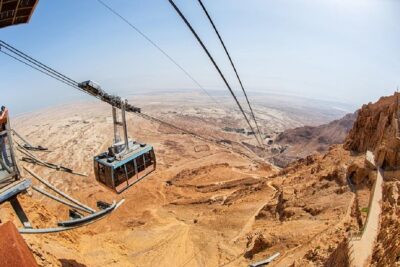
Masada and the Dead Sea Day Trip from Tel Aviv
Read our review →
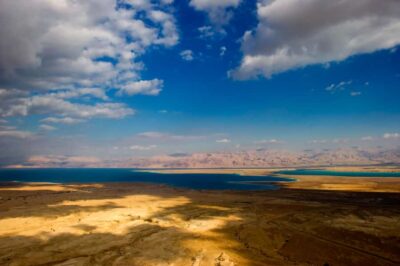
From Jerusalem: Masada & Dead Sea Full Day Tour with Pick Up
Read our review →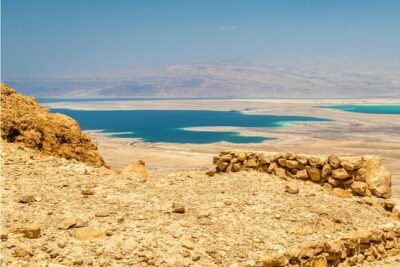
Masada and the Dead Sea Day Trip from Jerusalem
Read our review →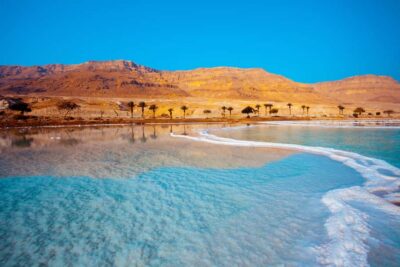
From Tel Aviv: Masada, Ein Gedi & Dead Sea Tour
Read our review →
From Jerusalem: Masada&Dead Sea Tour INCLUDING ENTRANCE FEES
Read our review →Browse the lists this tour appears in