
Reviewed · RAMON CRATER TOURS
Stargazing Mitzpe Ramon
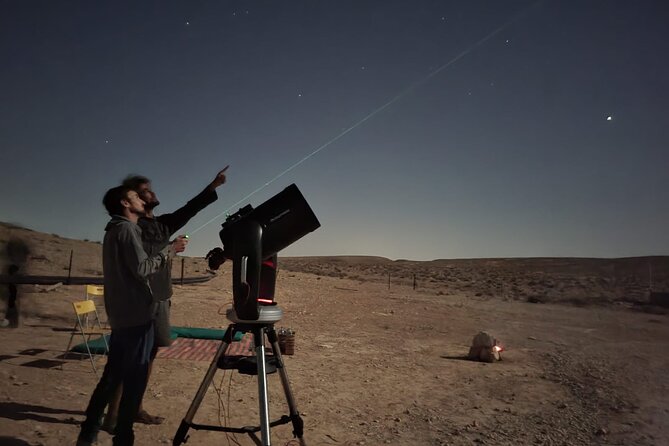
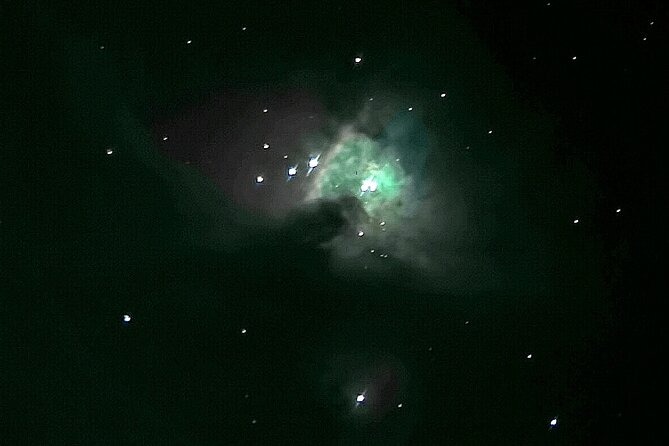
The best thing here is the setting: you leave the lights behind and meet a guide in the middle of the Ramon desert, where the Milky Way and faint celestial objects have a real chance to show themselves. Robotic telescopes bring planets, star clusters, nebulae, double stars, and galaxies closer, while the guide adds the stories and science behind them.
I like the small, private format, with only your group taking part, and I like the comfort of mattresses and mats rather than standing around a tripod. Guides such as Nadav, Moshe, and Uri have been praised for warm, clear instruction. The main drawback is practical: you arrange your own way to Makhtesh Ramon, and the remote desert can be cold at night.
In This Review
- Key points to know before you book
- Why the Ramon Crater makes a difference
- A private evening with your own guide
- What happens during the 1-hour-45-minute session
- Robotic telescopes and what you can actually see
- Fire, mattresses, and the practical comfort factor
- The guides and the tone of the evening
- Booking timing, weather, and arrival details
- Who will get the most from this experience
- Should you book Stargazing Mitzpe Ramon?
- FAQ
- Where does the stargazing experience start?
- How long does the experience last?
- How much does the activity cost?
- Is transportation included?
- What happens if the weather is poor?
- Can I cancel for a full refund?
Key points to know before you book
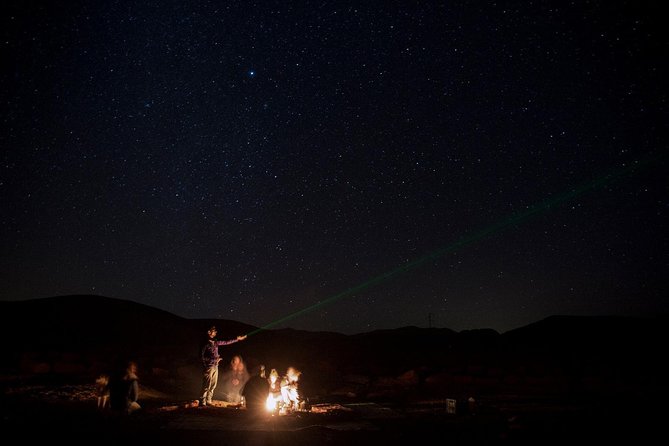
- A truly dark desert setting: The meeting point is Makhtesh Ramon, away from city lights and ordinary nighttime distractions.
- A private group experience: The $460 price covers up to eight people, so the value improves when you fill the group.
- Robotic telescope equipment: The technology allows views of nearby solar system objects as well as distant clusters, nebulae, and galaxies.
- Comfort between observations: Mats, mattresses, a fire, tea or coffee, and snacks make the waiting time pleasant.
- Storytelling with the science: Expect constellations, zodiac signs, asterisms, astronomy history, myths, and explanations of the universe.
- Weather matters: Poor conditions can cancel the activity, with a new date or full refund offered.
Why the Ramon Crater makes a difference
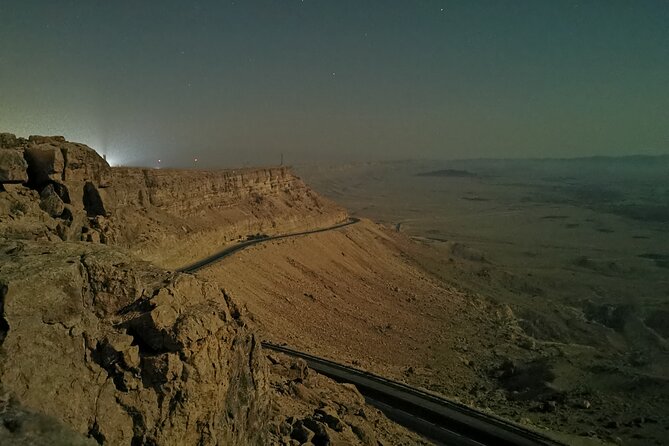
This is not a casual look at the stars from a hotel terrace. You meet at Makhtesh Ramon, in the wider Sde Boker area, and then settle into a remote desert location prepared by your guide. The attraction is the darkness itself. With little artificial light around you, stars that disappear in town become much easier to see.
That setting changes the pace of the evening. You are not rushing from one exhibit to another or checking off a short list of planets. You lie back on a mat or mattress, look up, and let your eyes adjust while the guide explains what you are seeing.
The desert also brings one important trade-off. Night temperatures can drop, and the open setting offers no indoor escape. Bring warm clothing even if the afternoon was hot. The supplied fire, tea, coffee, and snacks help, but they are part of the experience rather than a substitute for proper layers.
Your exact arrival location is sent on the morning of the activity, along with the scheduled hour. That late notice is worth understanding before you pay. You need to keep your phone available and plan your own route to the meeting point.
More ramon crater tours in Israel:
- Rappelling Down the Ramon Crater Cliff
★ 5.0 · 47 reviews - Two hour guided jeep tour in to and around the Ramon crater
★ 5.0 · 45 reviews - Ramon Crater Jeep Tour from Mitzpe Ramon
★ 5.0 · 44 reviews
A private evening with your own guide
The activity lasts about one hour and 45 minutes, though the description allows a general range of roughly 1.5 to 2 hours. Because it is private, your group is not mixed with strangers. That works especially well if your party includes children, first-time stargazers, or people who want to ask plenty of questions.
The $460 charge is per group of up to eight people. For eight people, that works out to $57.50 each. For two people, it becomes a much more expensive $230 per person, so the price makes the most sense for a family or group of friends traveling together.
There is no hotel pickup and no transportation to or from the attraction. You must reach Makhtesh Ramon yourself. That is not a minor detail in a remote desert area, so check your route and allow enough time to arrive at the meeting point without rushing.
The guide brings the telescope and the other equipment. You are not expected to carry or set up the observing gear. When you arrive, the practical work is already done: the mats and mattresses are laid out, the fire and drinks are prepared, and the telescope is ready for the night.
What happens during the 1-hour-45-minute session
The evening begins with an introduction to the night sky. Your guide points out constellations, zodiac signs, and asterisms, which are recognizable star patterns that are not always official constellations.
This first part helps you get your bearings. A dark sky is beautiful, but it can also feel confusing when every direction seems filled with stars. The guide gives you a way to organize what you see instead of simply telling you to look up and admire it.
You also hear about the history of astronomy, along with myths and legends connected to the sky. That gives the session a human side. Constellations are not just fixed patterns of light. Different cultures used them to tell stories, mark seasons, and make sense of the heavens.
The explanations also have a scientific side. You learn about our solar system and objects beyond it. The balance matters. If you enjoy facts, there is enough astronomy to make the evening worthwhile. If you prefer stories, the myths and old sky traditions keep the session from becoming a technical lecture.
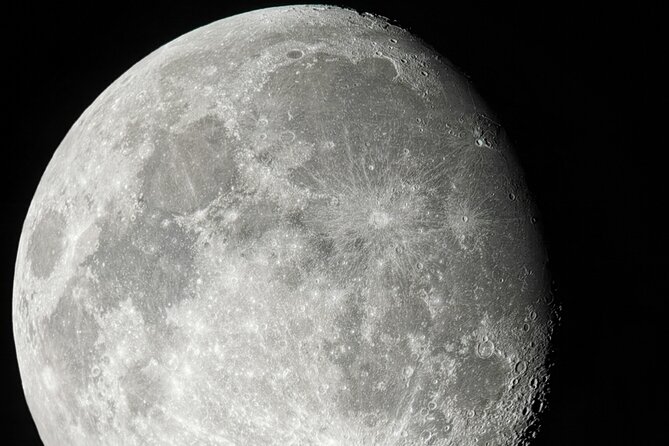
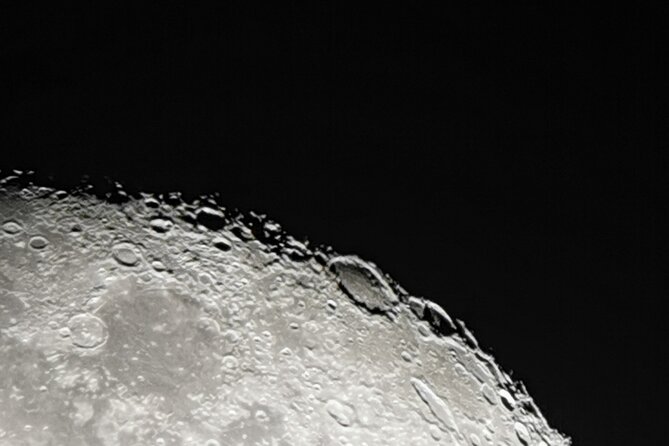
After the introduction, the telescope work takes center stage. You may look at the Moon and some planets in our solar system, depending on what is visible at the time. The guide then turns to objects farther away, including star clusters, nebulae, double stars, and galaxies.
The exact objects available will depend on the date, the weather, and the position of the sky. That means you should not book this expecting a guaranteed view of one named planet or galaxy. The strength of the experience is the guided look at what is visible on your particular night.
For an extended activity, extra telescopes may be available. The supplied details do not specify the added duration or exact equipment, so ask about the extended option before booking if that matters to you.
Robotic telescopes and what you can actually see
The advanced robotic telescopes are an important part of the experience. They are not simply decorative equipment placed beside a campfire. They are used to locate and observe targets in the sky, including both nearby solar system objects and faint deep-sky targets.
A telescope can make the Moon feel startlingly close and can give planets a clearer shape than you get with the naked eye. Star clusters may appear as dense groups of points. Double stars can reveal two stars close together in the same field of view. Nebulae and galaxies are more subtle, often appearing as pale or faint forms rather than bright photographs from a space agency website.
That distinction is useful. The night sky seen through a telescope is not a glossy poster. Some objects look delicate, and your guide helps you understand why. The value comes from knowing what you are looking at and how far away it is, not only from seeing a bright image.
The equipment also suits people who have never used a telescope. You do not need to know how to align one or read a star chart. The guide handles the technical side and explains the result in plain terms.
Guides named Nadav, Moshe, and Uri have each been associated with especially warm and articulate instruction. Their roles appear to combine technical astronomy with personal storytelling, which is exactly what this kind of night needs. A telescope gives you an image. A good guide explains why that image matters.
Same coast, a completely different kind of day:
- From Tel Aviv: Masada & Dead Sea Full Day Tour with Pick Up
★ 4.5 · 1,496 reviews - From Tel Aviv: Jerusalem and Bethlehem Guided Day Trip
★ 4.3 · 1,316 reviews - Masada and the Dead Sea Day Trip from Tel Aviv
★ 4.5 · 1,014 reviews - Tel Aviv: Jerusalem, Bethlehem & Dead Sea
★ 4.0 · 881 reviews
Fire, mattresses, and the practical comfort factor
The comfort setup is one of the nicest details. You can lie on mats and mattresses rather than crane your neck while standing. That makes it easier to spend time looking at the sky and gives the session a relaxed camp feeling.
A fire, tea or coffee, and snacks are also provided. In a desert at night, a hot drink is not just a pleasant extra. It helps take the edge off the cold and gives you a natural pause between telescope observations and explanations.
The fire does not turn this into a full meal or an overnight camp. The supplied information mentions snacks, not dinner, so plan accordingly. If you have dietary needs, ask the provider what is available before the evening.
Wear warm layers and practical shoes. The details do not promise chairs for every booking, although one account describes chairs along with the fire and drinks. The consistent expectation is a prepared outdoor setup with a mat and mattress, while the exact arrangement may vary.
The guides and the tone of the evening
The guide is central to the experience. A dark sky can impress you for a few minutes, but the explanations give the evening structure.
Nadav is specifically associated with taking a group through a detailed look at the universe. Moshe has been described as warm, articulate, and highly informed, with impressive equipment supporting the session. Uri, also referred to as Ori in the supplied material, is praised for bringing strong personal energy and care to the instruction.
Those descriptions point to an experience that is more conversational than formal. You can expect a guide who explains the sky, answers questions, and connects astronomy with stories and human curiosity. Since this is a private activity, your group can shape the conversation more easily than it could in a large public observation.
Still, guide style can vary. If you want a strongly technical session, ask for that when arranging the booking. If your group includes young children, explain their ages and interests so the guide can pitch the discussion appropriately.
Booking timing, weather, and arrival details
The activity is often booked well ahead, with an average booking lead time of 43 days. That suggests you should not leave it until the last moment if stargazing is a priority for your desert visit.
Confirmation is sent within 48 hours of booking, subject to availability. The specific arrival location and scheduled hour are sent on the morning of the activity. Keep this in mind if you are planning a tightly timed day around Sde Boker or the Ramon Crater.
Weather is a real part of the decision. Clear skies are essential, and the activity can be canceled in poor conditions. If that happens, you are offered another date or a full refund.
You can cancel for a full refund if you do so at least 24 hours before the start time. Cancellations or changes made inside that 24-hour window are not refunded or accepted. Cutoff times follow local time.
Service animals are allowed, and most people can participate. The activity is private, but it still takes place outdoors in a remote desert location, so consider your group’s comfort with darkness, cold, and uneven outdoor conditions.
Who will get the most from this experience
This is a strong choice for people who already enjoy astronomy and want more than a quick look at a few bright stars. The combination of a dark site, advanced telescopes, and a guide gives the night real substance.
It also suits families and friend groups. The private format lets you set the pace, and the mattresses, fire, drinks, and snacks make the experience less formal. Children who like space may enjoy the Moon, planets, myths, and stories, though the length of the session means they should be comfortable spending nearly two hours outside at night.
Couples can enjoy it too, but the group price is easier to justify when shared among several people. For two people, this is a high-cost evening. For a full group of eight, the per-person value is much better.
I would be more cautious about booking if you dislike cold outdoor activities, need guaranteed transportation, or want a fixed list of celestial objects. The night depends on conditions, and the final viewing plan must respond to what is visible.
Should you book Stargazing Mitzpe Ramon?
Book it if you want a private, guided night under a genuinely dark desert sky and you value explanation as much as spectacle. The strongest features are the quiet Ramon setting, the robotic telescopes, the relaxed mattress setup, and guides who can move between science, stories, and practical sky watching.
Think carefully about the price if your group is small. Also plan your own transport, wait for the same-day location details, and bring serious warm clothing. If those points suit your plans, this is a memorable way to experience the Ramon desert after dark, with enough astronomy to make the stars feel less like decoration and more like places and objects with their own stories.
FAQ
Where does the stargazing experience start?
The meeting point is Makhtesh Ramon in Israel. The activity ends back at the meeting point.
How long does the experience last?
The session lasts approximately 1 hour and 45 minutes. The stated range is about 1.5 to 2 hours.
How much does the activity cost?
The price is $460 per private group of up to eight people.
Is transportation included?
No. Hotel pickup and transportation to and from attractions are not included. You must make your own way to Makhtesh Ramon.
What happens if the weather is poor?
The experience requires good weather. If it is canceled because of poor conditions, you can choose a different date or receive a full refund.
Can I cancel for a full refund?
Yes. You must cancel at least 24 hours before the local start time for a full refund. Cancellations or changes made less than 24 hours before the start time are not accepted for a refund.
Just added around Israel
- Sea of Galilee – Off the Beaten Track★ 5.0 · 3 reviews
- private Full-day Tour to Jericho + the Dead Sea★ 5.0 · 3 reviews
- A Day of Spiritual Discovery in the Upper Galilee★ 5.0 · 7 reviews
- VIP Tel Aviv airport Terminal 3 Fast Track Skip Line From plane★ 4.5 · 9 reviews
- Druze Culinary Tour of the Western Galilee★ 5.0 · 6 reviews
- Jerusalem and Dead Sea Trip from Tel Aviv★ 4.0 · 6 reviews
- Package VIP Skip Line Services in BGN Airport with Transfer to Tel aviv Hotels★ 5.0 · 3 reviews
- Food & Drink Private Guided Tour in Tel Aviv★ 5.0 · 3 reviews
Ramon Crater Tours, compared.
Two hour guided jeep tour in to and around the Ramon crater
Read our review →
The Ramon Crater and rappelling package tour – an exciting combo tour.
Read our review →
GoKEDEM Private Negev & Ramon Crater Adventure From Tel Aviv With Bedouin Feast
Read our review →Browse the lists this tour appears in