
Reviewed · DEAD SEA TOURS
Massada and the Dead Sea in Russian
Masada gives this half-day outing its real purpose: you stand above the Judean Desert at an ancient fortress where palaces, a synagogue, water cisterns, and weapons stores still mark the last days of a Jewish stronghold. After that serious history, the Dead Sea offers a very different finish, with buoyant salt water and mineral mud.
I like the pairing of guided Masada history and an easy-to-understand Dead Sea bathing stop. I also like that the Russian-speaking guide can add context about Israel beyond the two headline sights. The main catch is practical: the funicular ride is mandatory and costs about $22 to $24 extra, so the advertised price is not the full cost.
In This Review
- Key points to know before you book
- Why Masada and the Dead Sea work so well together
- Reaching Masada above the Judean Desert
- The story of Masada and its defenders
- Down to the Dead Sea for floating and mud
- The cosmetics stop and what it adds
- What the 270-minute schedule means
- Russian guidance and the human side of the day
- Who will get the most from this excursion
- Price, extra fees, and overall value
- Should you book Masada and the Dead Sea in Russian?
- FAQ
- What is included in the tour price?
- How much does the tour cost?
- Is the funicular included?
- How long does the experience last?
- Is the tour offered in Russian?
- Is pickup included?
- Where are the listed pickup points?
- Is the Haifa pickup available every day?
- Are meals included?
- Can I cancel for a refund?
Key points to know before you book
- Masada by funicular: The ride to the fortress costs about $22 to $24 extra, or roughly 80 to 91 shekels.
- Russian-speaking guidance: Guide Alexandra received especially warm praise for her clear, heartfelt explanations.
- Dead Sea swim and mud: You get time at the beach for floating and mineral mud treatments.
- Judean Desert route: The bus journey connects two major southern Israel sights in one compact outing.
- Four pickup points: Pickup is available in Israel at listed locations in Sderot Haatsmaut, Keren HaYesod and Haim Moshe Shapira, Hagshama Street, and Talpiot Market in Haifa on Saturdays only.
- Half-day timing: The 270-minute schedule suits you if you want a focused excursion rather than a full-day program.
Why Masada and the Dead Sea work so well together
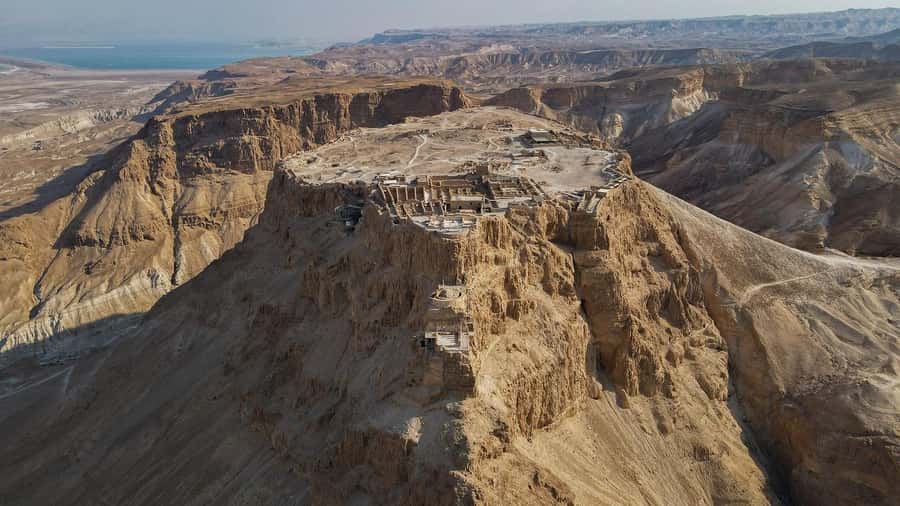
This tour links two places that feel completely different. Masada is dry, high, stony, and tied to a dramatic chapter of Jewish history. The Dead Sea is low, mineral-heavy, and built for rest. You get an hour or so of hard history followed by a chance to wash off the dust and float.
The combination also makes sense geographically. The bus crosses the Judean Desert toward the southern end of the Dead Sea, near the city of Arad and the fortress site. You do not need to organize separate transport to two remote places, and the included bus transfers remove much of the planning work.
At $82 per person, the outing is not a bargain-basement bus ride, especially once you add the mandatory funicular fee. Still, the value depends on what you want. If you need transport, a Russian-speaking guide, and both major sights in one 270-minute trip, the price can be reasonable. If you mainly want a long Dead Sea beach session, a simpler beach transfer may give you more time in the water.
More dead sea tours in Israel:
- From Tel Aviv: Masada & Dead Sea Full Day Tour with Pick Up
★ 4.5 · 1,496 reviews - Masada and the Dead Sea Day Trip from Tel Aviv
★ 4.5 · 1,014 reviews - Tel Aviv: Jerusalem, Bethlehem & Dead Sea
★ 4.0 · 881 reviews
Reaching Masada above the Judean Desert
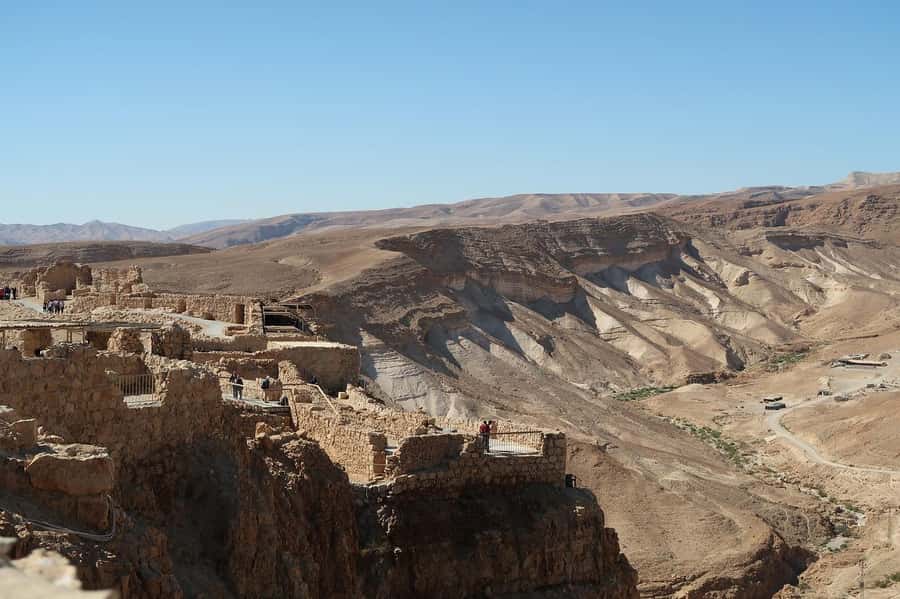
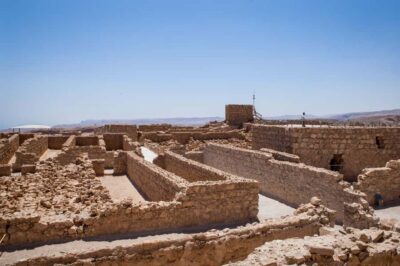
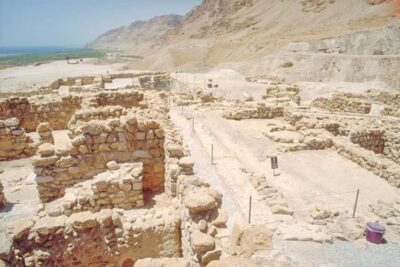
Masada sits on a high desert plateau near the Dead Sea. The ruins include a palace, synagogue, armories, rainwater cisterns, and supporting buildings. Much of the site is in ruins, but enough survives to show how this isolated fortress once functioned.
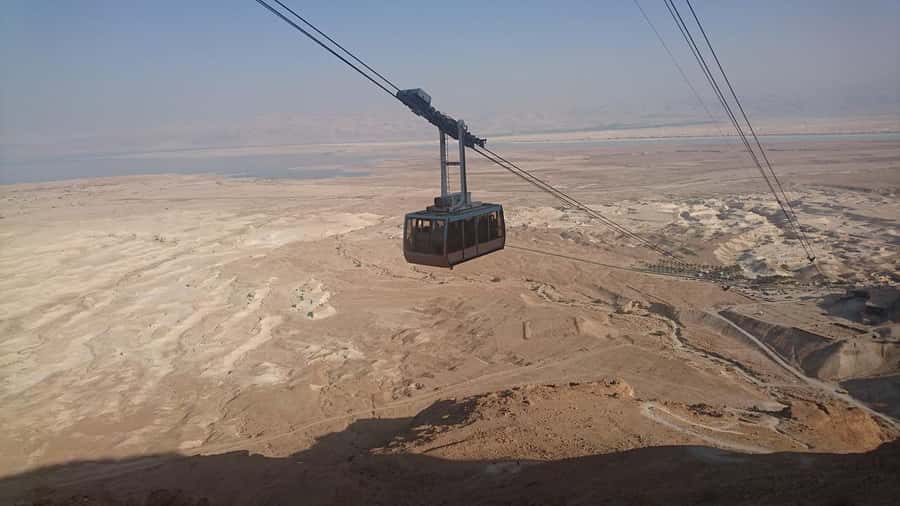
You reach the top by funicular. The extra payment is not optional on this group excursion, so include about 80 to 91 shekels, or approximately $22 to $24, in your budget. The price is given as an estimate, so check the current amount when booking.
The funicular matters for two reasons. First, it saves time on a short excursion. Second, it makes the high fortress accessible to more people than a long uphill walk would. Even so, the experience is not recommended for people with limited mobility. The site itself is ancient and uneven, and the operator gives no promise that every part of the ruins will be easy to reach.
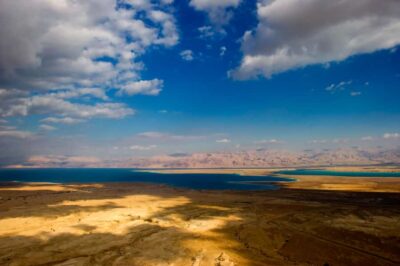
From the summit, you can look over the desert and toward the Dead Sea. The view is one of the strongest reasons to make this trip. You see why the location mattered: height, isolation, and control over the surrounding routes all gave Masada defensive value.
The story of Masada and its defenders
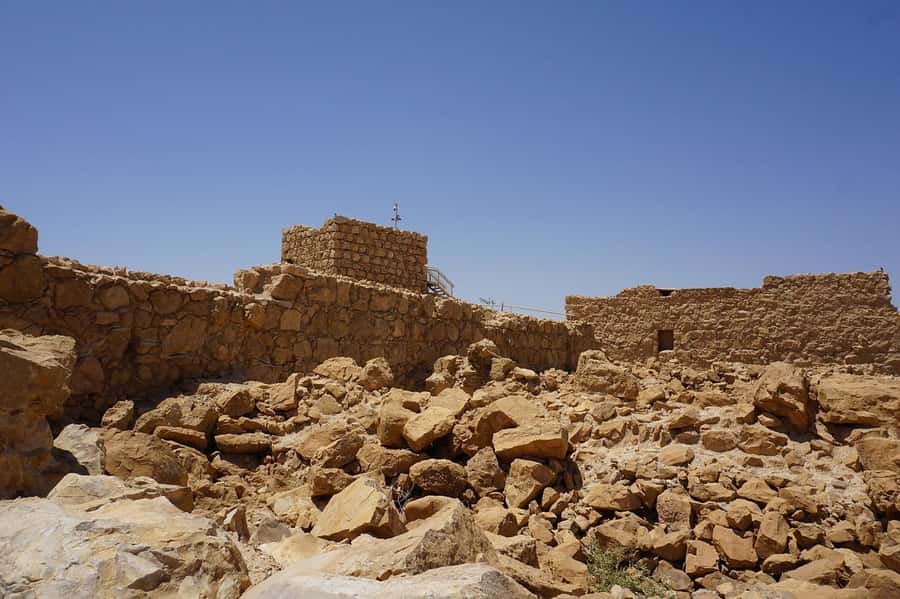
Masada is remembered as a symbol of Jewish resistance. During the Roman siege, the defenders, described here as Zealots, held out after food and water supplies became scarce. The story ends in defeat or suicide rather than surrender and enslavement, which gives the ruins a powerful emotional weight.
A guide adds real value at this point. Without explanation, Masada can look like a collection of sunbaked stones and half-walls. With a good account of the site, the water system, store rooms, synagogue, and palace become evidence of daily life under siege.
The Russian-language setting is particularly useful if you prefer historical explanation in your first language. Alexandra has been praised for presenting Masada, the Dead Sea, and Israel as a whole with feeling and clarity. That detail matters because this is not simply a photo stop. The meaning of the site depends on understanding what happened there.
You should also keep your expectations in check. A 270-minute tour cannot give you an exhaustive archaeological visit. You are getting an introduction with transport and a guide, not a full scholarly study of every structure. The upside is that the pace stays manageable and leaves room for the Dead Sea.
Masada was added to the UNESCO World Heritage list, another sign of its importance beyond national memory. The designation does not turn the visit into a museum experience, but it confirms that the ruins have global cultural value.
Down to the Dead Sea for floating and mud
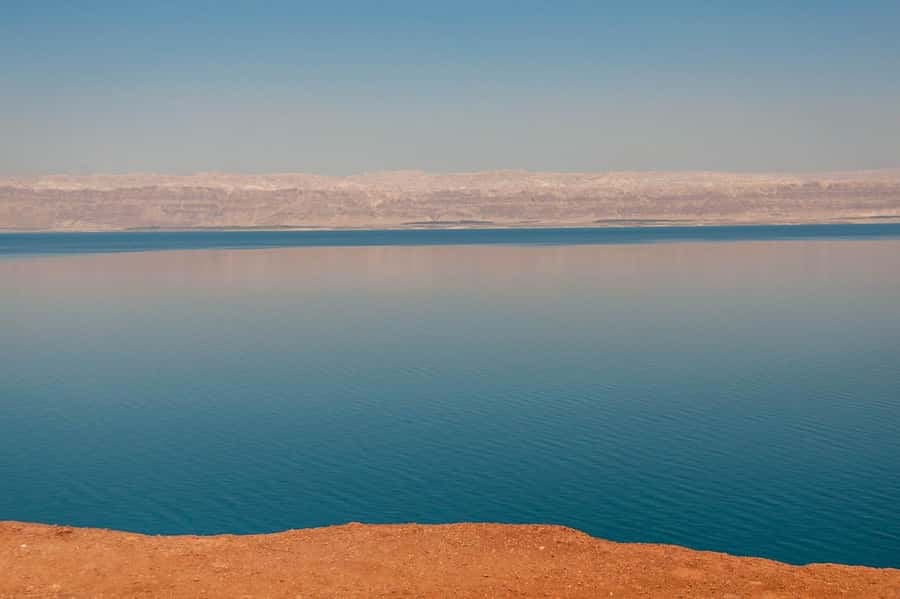
After the fortress, the outing moves to a Dead Sea beach. The water is famous for its high salt content, which lets you float more easily than in ordinary seawater. You also get the chance to apply Dead Sea mud, a familiar part of the area’s bathing culture.
The beach stop is the relaxed half of the day. After Masada’s heat, stone, and difficult story, the water gives you a clear change of pace. You can float, use the mud treatments, and enjoy the unusual feeling of bathing at the lowest place in the world.
The tour description promises an exclusive Dead Sea swim and mud treatments, but it does not state the exact beach name or how long you will remain there. That is worth asking about before you book if bathing time is your main reason for going.
You should also follow beach instructions carefully. The Dead Sea is not ordinary swimming water, and salt water can sting cuts or irritated skin. The supplied information does not specify particular safety rules, so ask the guide what is permitted at the beach. Do not plan on swimming in the usual sense. Floating is the point.
Same coast, a completely different kind of day:
- From Tel Aviv: Jerusalem and Bethlehem Guided Day Trip
★ 4.3 · 1,316 reviews - From Tel Aviv: Guided Day Trip to Nazareth & Sea of Galilee
★ 4.4 · 824 reviews - From Tel Aviv: Jerusalem Old & New City Bus Tour
★ 4.2 · 824 reviews - From Jerusalem: Masada & Dead Sea Full Day Tour with Pick Up
★ 4.5 · 815 reviews
The cosmetics stop and what it adds
The route includes a shop selling Dead Sea cosmetics. This can be useful if you want creams, scrubs, or mud products associated with the region. It can also feel like a sales stop if you would rather spend every available minute at the beach.
I would treat the shop as optional shopping time, not as a core reason to book the excursion. The meaningful parts are Masada and the Dead Sea itself. If you enjoy regional products, the stop gives you a chance to take home something connected to the trip. If not, keep your expectations modest and listen for the guide’s instructions about how much time is available.
The information does not say that purchases are included. They are not part of the $82 price, so budget separately if you decide to buy anything.
What the 270-minute schedule means
Four and a half hours sounds generous until you account for pickup, bus travel, the funicular, the fortress visit, the beach, and the cosmetics shop. This is a compact outing. You will see the essential sights, but you should not expect a slow morning at Masada followed by a full afternoon at the Dead Sea.
The short format is a strength if you have limited time in Israel or want to fit another activity into the day. It is also practical for people who want a first look at southern Israel without arranging a private car.
The tradeoff is less flexibility. Group excursions move according to the bus schedule, and you cannot simply linger at a favorite ruin or stay in the water until you have had enough. The tour is best for you if structure feels helpful.
Pickup is included, but the listed meeting points are specific. They include Sderot Haatsmaut 64, Keren HaYesod and Haim Moshe Shapira, Hagshama Street 2, and Talpiot Market in Haifa. The Haifa departure is available only on Saturdays. Confirm your exact pickup point and departure time before the day of the excursion.
Russian guidance and the human side of the day
A Russian-speaking guide can make the difference between following the route and understanding it. Masada has a complicated story, and the Dead Sea is more interesting when you hear how the places fit into Israel’s geography and culture.
Alexandra is the one guide specifically named in the available information. Her presentation was praised for covering not only Masada and the Dead Sea but also Israel more broadly. The praise focuses on her ability to explain history and current life with feeling, which is exactly what you want at a site where facts alone can seem dry.
The tour has a top rating from four published bookings, a small sample that should be read with some caution. It suggests a strong start, particularly for the guide and overall enjoyment, but it is not enough to promise that every departure will feel identical. Guides, weather, group dynamics, and time at each stop can affect the day.
One practical concern deserves attention: there are no assigned bus seats. Some people have tried to hold places with coats, bags, or clothing. That conflicts with the stated policy and creates a safety problem in a moving vehicle. Arrive prepared to use open seating and do not count on saving a seat with belongings.
Who will get the most from this excursion
I would recommend this tour if you want the two headline sights with minimal planning and need a Russian-speaking guide. It suits a first visit to southern Israel, especially if you value historical explanation as much as photographs and swimming.
It is also a good match for people who prefer a half-day schedule. You get the fortress, desert route, beach, mud, and cosmetics stop without committing a full day.
I would think twice if you have limited mobility, want a long and quiet archaeological visit, or care most about spending many hours in the Dead Sea. The tour is not recommended for people with limited mobility, and the exact amount of time at the beach is not stated.
Families and mixed-interest groups may find the pairing useful because Masada and the Dead Sea offer different kinds of experiences. One person can enjoy history while another looks forward to the water. Still, everyone should be comfortable with a structured group timetable.
Price, extra fees, and overall value
The base price is $82 per person. Included are attendant staff services and bus transfers during the tour. Meals are not included, unless purchased separately, and the mandatory funicular costs approximately $22 to $24 more.
That brings the practical total to around $104 to $106 per person before food or shopping. The exact currency conversion and funicular price may change, so confirm the current charge when you reserve.
For that total, you are paying for convenience as much as admission or transport. Masada and the Dead Sea are not close to every Israeli base, and arranging a car or separate excursions can take time. A Russian-speaking guide adds another layer of value if you want more than a self-guided visit.
The value is weaker if you are already staying near the Dead Sea or have your own transport. In that case, you may prefer to visit Masada and choose a beach independently, giving yourself more control over timing.
Free cancellation up to 24 hours before departure and the option to reserve now and pay later reduce the risk of booking. Those terms are useful when your schedule may change, but you should still check the current conditions before payment.
Should you book Masada and the Dead Sea in Russian?
Book it if you want an efficient introduction to two of southern Israel’s most important sights, especially with Russian-language guiding. The strongest reasons are Alexandra’s engaging approach, included bus transport, the dramatic Masada setting, and the chance to float and use Dead Sea mud in the same outing.
Skip it if you need a leisurely day, dislike group schedules, or want to avoid the extra funicular charge. Also confirm the pickup details carefully, particularly if you are leaving from Haifa, where departure is limited to Saturdays.
For the right person, this is a sensible pairing: one stop gives the day its meaning, and the other lets you relax afterward. Just budget for the mandatory funicular and treat the 270-minute schedule as an efficient overview, not an unhurried visit.
FAQ
What is included in the tour price?
The price includes attendant staff services and bus transfers during the tour.
How much does the tour cost?
The listed price is $82 per person.
Is the funicular included?
No. The funicular ride to Masada is mandatory for this group excursion and costs approximately $22 to $24, or about 80 to 91 shekels.
How long does the experience last?
The total duration is 270 minutes, or four and a half hours.
Is the tour offered in Russian?
Yes. The live tour guide language is Russian.
Is pickup included?
Yes. Pickup is included from the listed meeting points.
Where are the listed pickup points?
The listed points are Sderot Haatsmaut 64, Keren HaYesod and Haim Moshe Shapira, Hagshama Street 2, and Talpiot Market in Haifa.
Is the Haifa pickup available every day?
No. The Haifa Talpiot Market departure is available only on Saturdays.
Are meals included?
No. Meals are not included unless purchased additionally.
Can I cancel for a refund?
Yes. You can cancel up to 24 hours in advance for a full refund, according to the stated cancellation terms.
Just added around Israel
- Sea of Galilee – Off the Beaten Track★ 5.0 · 3 reviews
- private Full-day Tour to Jericho + the Dead Sea★ 5.0 · 3 reviews
- A Day of Spiritual Discovery in the Upper Galilee★ 5.0 · 7 reviews
- VIP Tel Aviv airport Terminal 3 Fast Track Skip Line From plane★ 4.5 · 9 reviews
- Druze Culinary Tour of the Western Galilee★ 5.0 · 6 reviews
- Package VIP Skip Line Services in BGN Airport with Transfer to Tel aviv Hotels★ 5.0 · 3 reviews
- Jerusalem and Dead Sea Trip from Tel Aviv★ 4.0 · 6 reviews
- Food & Drink Private Guided Tour in Tel Aviv★ 5.0 · 3 reviews
Dead Sea Tours, compared.
From Tel Aviv: Masada & Dead Sea Full Day Tour with Pick Up
Read our review →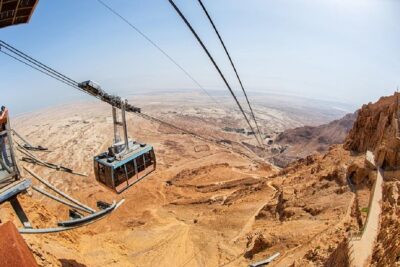
Masada and the Dead Sea Day Trip from Tel Aviv
Read our review →
From Jerusalem: Masada & Dead Sea Full Day Tour with Pick Up
Read our review →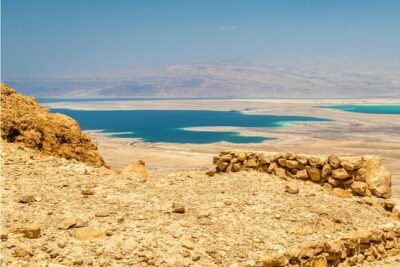
Masada and the Dead Sea Day Trip from Jerusalem
Read our review →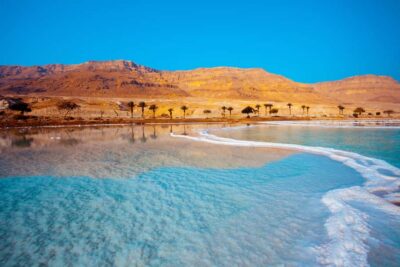
From Tel Aviv: Masada, Ein Gedi & Dead Sea Tour
Read our review →
From Jerusalem: Masada&Dead Sea Tour INCLUDING ENTRANCE FEES
Read our review →Browse the lists this tour appears in