
Reviewed · JERUSALEM TOURS
Jerusalem of 3 Religions in Russian
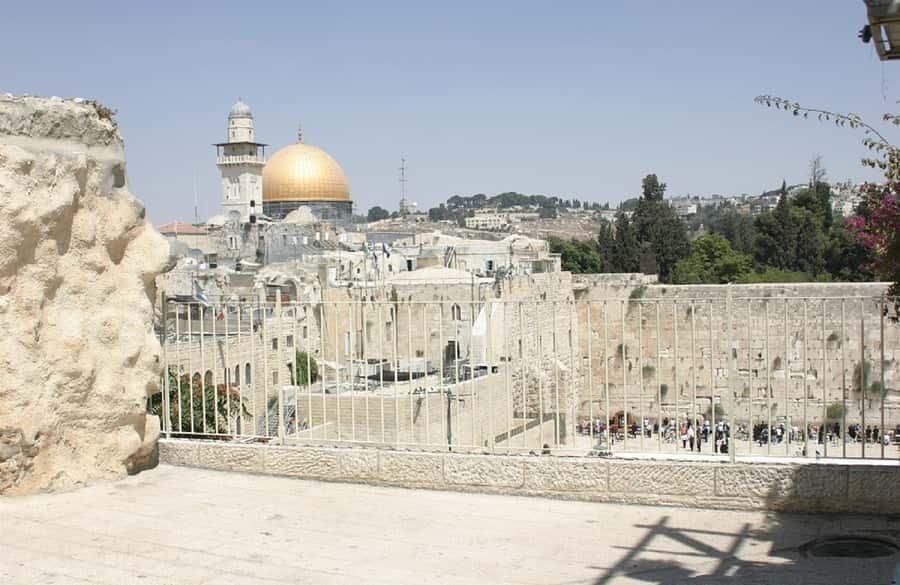
Jerusalem brings three major Western faiths into one compact Old City, and this six-hour tour gives you a brisk introduction to the places that matter most. You’ll see the Jewish, Christian, and Armenian quarters, then connect their stories at Mount Zion, the Via Dolorosa, the Church of the Holy Sepulcher, and the Western Wall.
I like the Russian-language guidance, especially with guide Piotr, whose explanations are described as interesting and clear. I also like that bus transfers are included, since getting from the pickup points to Jerusalem saves energy for the Old City’s uneven lanes and crowded sacred sites.
The main consideration is pace. Six hours is enough for an important overview, but not for a slow, detailed study of every quarter, chapel, or market street. The tour is also not recommended for people with limited mobility, and you’ll need comfortable shoes and modest clothing.
In This Review
- Key points at a glance
- Why this six-hour Jerusalem tour works
- Mount Zion and the Last Supper Room
- The Jewish, Christian, and Armenian quarters
- Walking the last five stops of the Via Dolorosa
- The Church of the Holy Sepulcher
- Praying near the Western Wall
- What the $63 price includes
- Pickup points and timing
- Who should book this experience
- Practical tips for a smoother visit
- Should you book this Jerusalem tour?
- FAQ
- How long does the Jerusalem of 3 Religions tour last?
- What language is the tour conducted in?
- What sites are included on the tour?
- Is transportation included?
- Are food and drinks included?
- Where is pickup available?
- Can I cancel the tour for a refund?
- Can children join the tour?
Key points at a glance
- Three quarters in one visit: Move through Jerusalem’s Jewish, Christian, and Armenian areas in a single guided route.
- Mount Zion landmarks: Learn about the Last Supper Room, also called the Cenaculum, and visit Dormition Abbey.
- The final five Via Dolorosa stops: Follow the route toward the crucifixion, death, and resurrection sites.
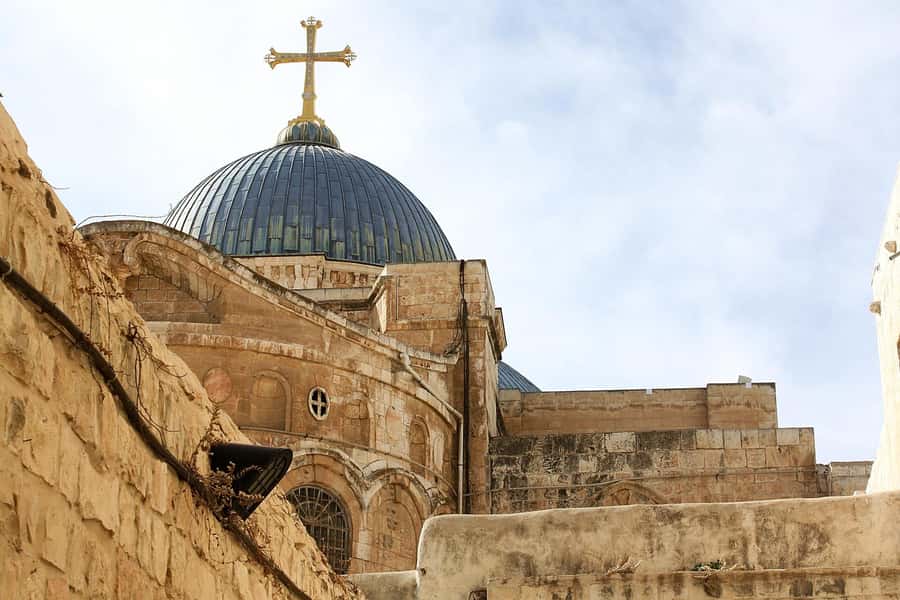
- Church of the Holy Sepulcher: See one of Christianity’s most important shrines, with chapels and monasteries used by different denominations.
- The Western Wall: Have time to pray near Judaism’s most sacred surviving site connected with the First and Second Temples.
- Russian-speaking assistance: The live guide leads the tour in Russian, with bus transfers included.
Why this six-hour Jerusalem tour works
Jerusalem can feel confusing at first. Names overlap, traditions differ, and the Old City’s narrow streets do not follow a simple sightseeing route. A guide helps connect the places, rather than leaving you to see a wall, chapel, or stone staircase without knowing why it matters.
This tour focuses on the religious heart of the city. It does not try to cover every museum or neighborhood. Instead, it links three distinct areas and several major shrines in a half-day format.
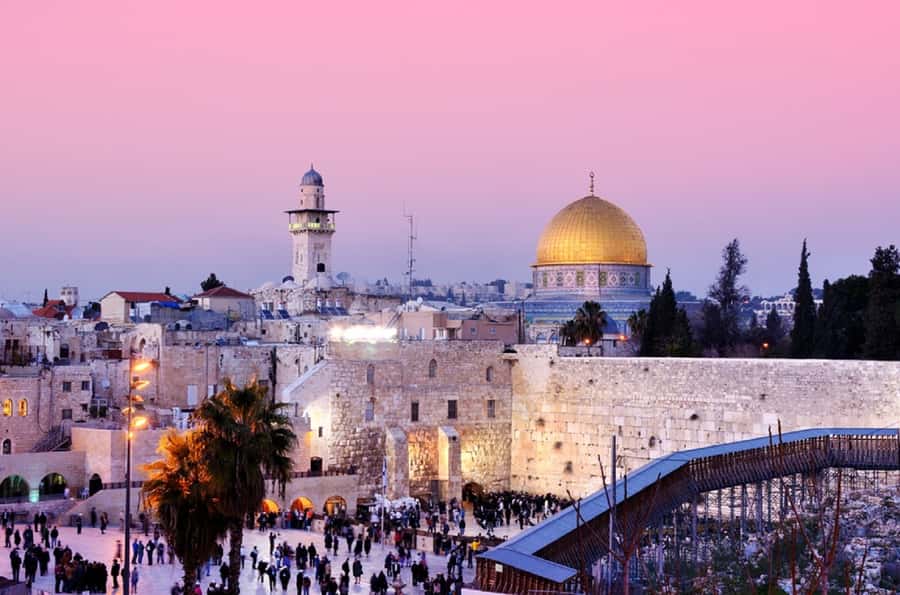
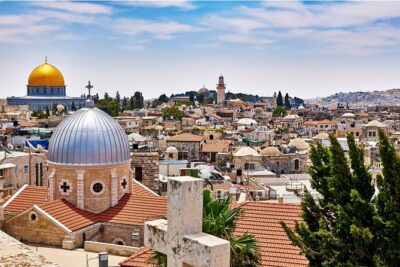
You’ll also get a panoramic view of historic and modern Jerusalem. The exact viewing point is not specified, so you should think of this as a chance to orient yourself, not a guaranteed long photo stop at a particular lookout.
The language is a major part of the experience. Since the live tour is conducted in Russian, Russian-speaking visitors can ask questions and follow the religious and historical explanations without relying on translated signs or scattered audio information. Guide Piotr receives particular praise for making the material interesting, which matters on a route packed with names, dates, and traditions.
Other Jerusalem days worth putting on the list:
- From Jerusalem: Masada & Dead Sea Full Day Tour with Pick Up
★ 4.5 · 815 reviews - Masada and the Dead Sea Day Trip from Jerusalem
★ 4.5 · 757 reviews - From Jerusalem: Nazareth and Sea of Galilee Tour
★ 4.5 · 588 reviews
Mount Zion and the Last Supper Room
Mount Zion begins the Christian portion of the visit. Here, you’ll learn about the Last Supper Room, also called the Cenaculum, which tradition identifies as the place of the Last Supper.
The important word is tradition. Sacred sites in Jerusalem often carry centuries of religious belief, even when historians debate the exact location. A good guide helps you understand both the spiritual meaning and the limits of what can be proven.
The room itself is part of a larger story about Christian pilgrimage. You are not simply seeing an old interior. You are seeing a place that has been linked for generations with the final meal of Jesus and the events that followed.
The tour also includes Dormition Abbey on Mount Zion. This gives you another important Christian landmark in the same area and helps place the Last Supper Room within Jerusalem’s wider sacred geography.
Expect this section to be more about explanation and tradition than about a long visit inside a single monumental church. If you enjoy understanding how religious memory shapes a city, Mount Zion is one of the strongest parts of the itinerary.
The Jewish, Christian, and Armenian quarters
The Old City is divided into four traditional quarters, but this experience highlights three of them: the Jewish, Christian, and Armenian areas. Each has its own religious character, and the route gives you a useful first look at their differences.
The Jewish quarter leads naturally toward the Western Wall and the memory of the ancient Temples. The Christian quarter connects to the Via Dolorosa and the Church of the Holy Sepulcher. The Armenian quarter adds another Christian tradition to the picture, with its own identity and religious institutions.
You should not expect a detailed exploration of every street. The tour is designed as an observation excursion through the main areas, with the guide providing the connections. That is a sensible approach if this is your first day in Jerusalem and you want a clear framework before returning on your own.
The Old City can be demanding underfoot. Streets may be uneven, and the route includes places where you’ll likely stand or walk for extended periods. Comfortable shoes are not a minor suggestion here. They may determine how much attention you can give the guide by the second half of the day.
Walking the last five stops of the Via Dolorosa
The Via Dolorosa is the Christian pilgrimage route associated with Jesus’ final journey toward crucifixion. This tour covers the final five stops, leading toward the place traditionally connected with the crucifixion, death, and resurrection.
This partial route is a practical compromise. Covering the final five stops allows you to reach the most important church on the itinerary without turning the entire six-hour program into a single walking procession.
The route has strong meaning for Christian visitors, but you do not need to be Christian to understand its importance. Jerusalem’s streets here are shaped by centuries of pilgrimage, prayer, and competing claims about sacred space.
Your guide’s role is especially useful on this portion. The Via Dolorosa is not always easy to follow as a modern street route, and the stops are marked by chapels, plaques, and places of worship rather than one continuous monument.
Keep your expectations realistic. This is an active religious route, not a quiet historical trail. Conditions can change, and the tour description does not promise private access, extended meditation time, or a visit to every station. You’ll get the main sequence and its context within the available schedule.
Same coast, a completely different kind of day:
- Nazareth and the Sea of Galilee Day Trip from Jerusalem
★ 4.5 · 446 reviews - From Jerusalem: Masada&Dead Sea Tour INCLUDING ENTRANCE FEES
★ 4.3 · 392 reviews - Jerusalem: Guided Walking Tour of the Old City
★ 4.7 · 386 reviews - Full Day City Tour of Jerusalem
★ 4.1 · 367 reviews
The Church of the Holy Sepulcher
The Church of the Holy Sepulcher is the central Christian shrine on this route. It is traditionally associated with Golgotha, the place of crucifixion, and with the tomb connected to the resurrection.
The modern church occupies the site of earlier churches, including the Church on Golgotha and the chapel associated with the Holy Sepulcher and the Church of the Resurrection. Inside, you’ll find numerous chapels and monasteries serving different Christian denominations.
That shared use is one of the church’s defining features. It can also make the experience feel layered and complex. Different communities maintain different areas, rituals, and schedules, so the building is not presented as one simple, unified worship space.
For a first visit, a guide makes the church easier to understand. Without context, it can be hard to tell which chapel relates to which tradition or why a particular spot draws such strong devotion. The tour gives you the basic map and meaning, even if six hours does not allow for a full study of the church’s many sections.
Dress matters here. Ripped or see-through clothing is not allowed, so choose respectful clothes before leaving your accommodation. That advice also applies to the other sacred sites on the route.
Praying near the Western Wall
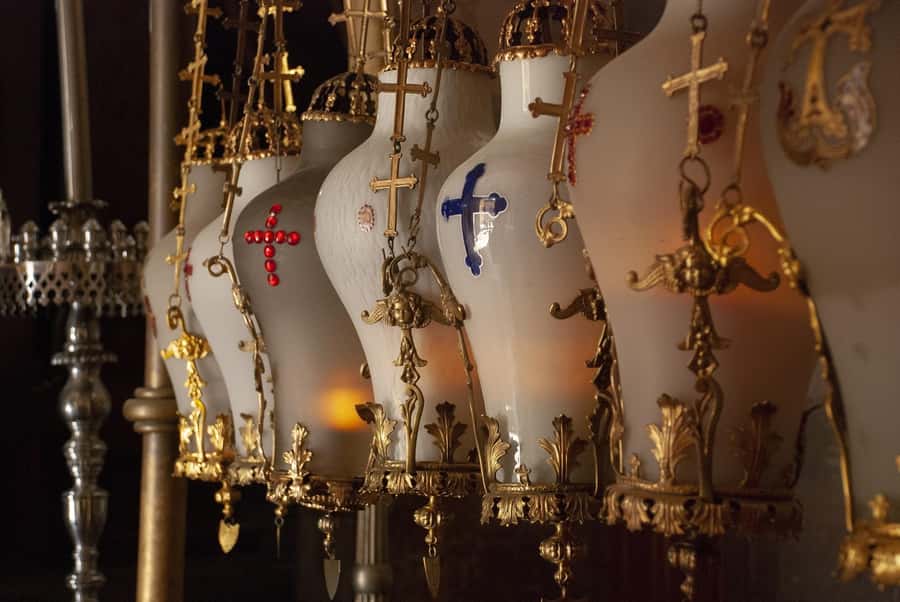
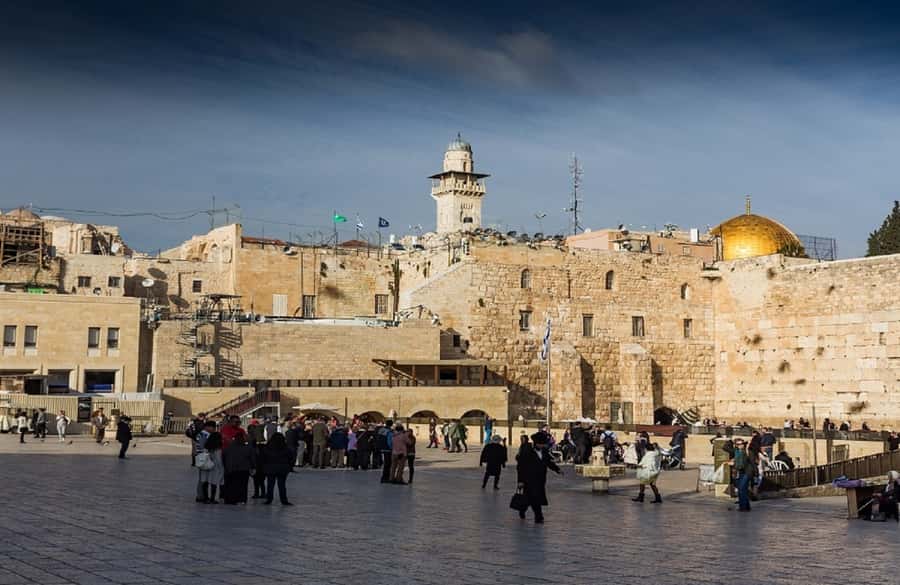
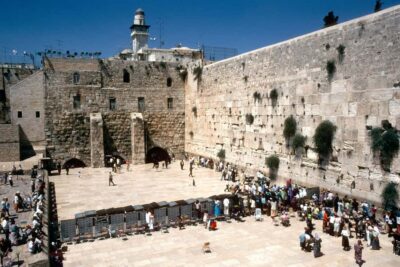
The Western Wall, often called the Wailing Wall, is the final major stop described for the Jewish side of Jerusalem. It is considered the most holy place in Judaism and carries the memory of prayers connected with the First and Second Temples.
You’ll have the opportunity to pray near the wall. Even if you are visiting as a cultural or historical observer, the site offers a direct look at how Jewish faith, memory, and hopes for a future Third Temple remain tied to this place.
This stop is not just a photo opportunity. Visitors should treat it as an active place of prayer. Your guide can explain the significance, but you should also be ready to follow local expectations once you reach the prayer area.
The Western Wall gives the tour a strong ending because it brings the city’s religious divisions and shared importance together. The Christian route points toward the Holy Sepulcher, while the Jewish route leads toward the Temple Mount and the wall. Jerusalem’s power comes partly from this close physical overlap.
What the $63 price includes
At $63 per person, the tour offers reasonable value if you want a guided overview rather than a private, slow-paced visit. Guide services and bus transfers are included, which covers the two parts that most affect the ease of a long day: understanding the sites and reaching the Old City without arranging every connection yourself.
Food and drinks are not included. Plan to eat before or after the tour, and bring water with you. The six-hour duration is long enough that you should not count on going without a drink or snack, even though no meal stop is listed.
The price is most attractive for first-time visitors who want the main religious landmarks explained in Russian. If you already know Jerusalem well or prefer spending a full hour inside one church, the fast schedule may offer less value.
The reserve-now, pay-later option also helps if your plans are still moving. You can reserve a place without paying immediately, and cancellation is available up to 24 hours in advance for a full refund.
Pickup points and timing
Pickup is included from the listed locations:
- Sderot Haatsmaut 64
- Keren HaYesod and Haim Moshe Shapira
- Hagshama Street 2
- Talpiot Market in Haifa, with departure available only on Saturdays
Check the available starting time and confirm the pickup location carefully before booking. The pickup information lists several points, and the Saturday-only note for Talpiot Market is particularly important.
Bus transfers during the tour are included. That makes the program easier than arranging transport between the starting area and Jerusalem yourself, though the time spent on transfers is part of the six-hour day.
The activity is offered in Russian, and the minimum permitted age is five. Children under five cannot join.
Who should book this experience
I would choose this tour if you want a structured first look at Jerusalem’s sacred center, especially if Russian is your preferred language. It suits visitors who value explanation and major landmarks more than free time or specialized study.
It is also a good match for anyone who wants to compare the city’s three religious traditions in one day. Mount Zion, the Via Dolorosa, the Holy Sepulcher, and the Western Wall create a strong outline for understanding Jerusalem.
You should think twice if mobility is limited. The tour includes walking through the Old City and a religious route with uneven surfaces, and it is specifically not recommended for people with limited mobility.
You should also avoid booking it if your main goal is food, shopping, museums, or extended time in modern Jerusalem. Those are not the focus. This is a sacred-site route with a clear religious and historical purpose.
Practical tips for a smoother visit
Wear comfortable shoes with good support. The route is long enough for poor footwear to become a real problem.
Bring water. Food and drinks are not included, and the tour lasts six hours.
Dress modestly and avoid ripped or see-through clothing. Sacred places may apply standards that are stricter than those used on ordinary city streets.
Keep your expectations focused. You are getting a guided overview of major sites, not a private archaeological study or a leisurely exploration of every Old City quarter.
Listen for the connections between the stops. The best part of this itinerary is not simply seeing one famous building after another. It is understanding how Jewish, Christian, and Armenian traditions occupy the same historic city.
Should you book this Jerusalem tour?
Book it if you want the essential religious landmarks in one organized six-hour outing, need Russian-language guiding, and value included bus transfers. Guide Piotr’s praised storytelling adds a useful personal touch, particularly for visitors who want more than a list of dates and names.
Skip it if you need a slow pace, have limited mobility, or want long unscheduled periods inside the churches and quarters. At $63, it is a fair introduction to Jerusalem’s sacred core, provided you accept the brisk route and bring the right shoes, water, and clothing.
FAQ
How long does the Jerusalem of 3 Religions tour last?
The tour lasts six hours.
What language is the tour conducted in?
The live tour guide speaks Russian.
What sites are included on the tour?
The route includes the Jewish, Christian, and Armenian quarters of the Old City, Mount Zion, the Last Supper Room, Dormition Abbey, the final five stops of the Via Dolorosa, the Church of the Holy Sepulcher, and the Western Wall.
Is transportation included?
Yes. Bus transfers during the tour are included, and pickup is available from the listed meeting points.
Are food and drinks included?
No. Food and drinks are not included. You should bring water.
Where is pickup available?
Pickup is listed at Sderot Haatsmaut 64, Keren HaYesod and Haim Moshe Shapira, Hagshama Street 2, and Talpiot Market in Haifa. Departure from Talpiot Market is available only on Saturdays.
Can I cancel the tour for a refund?
Yes. You can cancel up to 24 hours in advance for a full refund.
Can children join the tour?
Children aged five and older are allowed. Children under five are not permitted, and the tour is not recommended for people with limited mobility.
Just added around Jerusalem
- Tour of Jerusalem & Dead sea private tour★ 5.0 · 4 reviews
- full day tour Jerusalem price per van up to 6 people★ 5.0 · 8 reviews
- West Bank Tour from Jerusalem and Tel-Aviv – Bethlehem & Jericho★ 5.0 · 6 reviews
- jerusalem classic tour★ 5.0 · 3 reviews
- Private Tour: Old City of Jerusalem Christianity Tour★ 5.0 · 5 reviews
- Privet Tour – FROM JERUSALEM TO JERICHO & THE DEAD SEA★ 5.0 · 8 reviews
- Experience Shabbat With Dinner In Jerusalem★ 5.0 · 5 reviews
- Private Silk Painting Workshop in Jerusalem – Create a scarf –★ 5.0 · 4 reviews
Jerusalem Tours, compared.
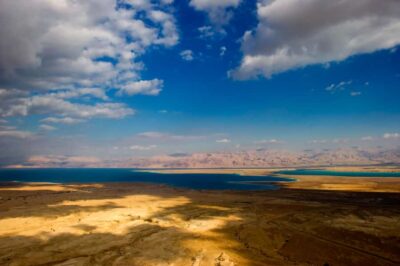
From Jerusalem: Masada & Dead Sea Full Day Tour with Pick Up
Read our review →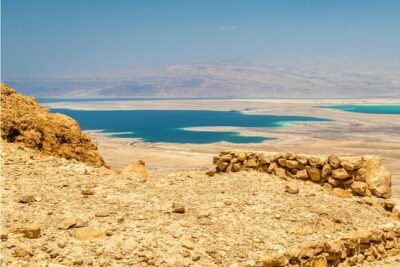
Masada and the Dead Sea Day Trip from Jerusalem
Read our review →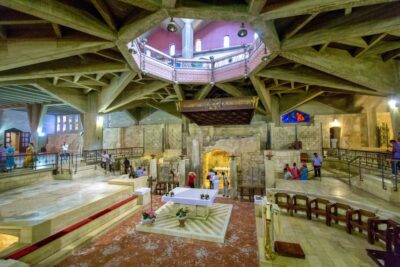
From Jerusalem: Nazareth and Sea of Galilee Tour
Read our review →
Nazareth and the Sea of Galilee Day Trip from Jerusalem
Read our review →
From Jerusalem: Masada&Dead Sea Tour INCLUDING ENTRANCE FEES
Read our review →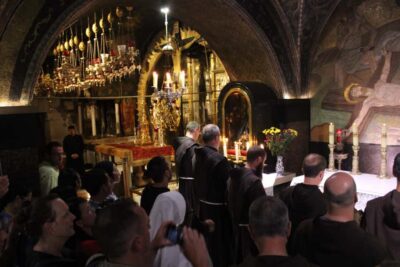
Browse the lists this tour appears in