
Reviewed · JERUSALEM TOURS
Jerusalem: Meet the Orthodox Jews Tour
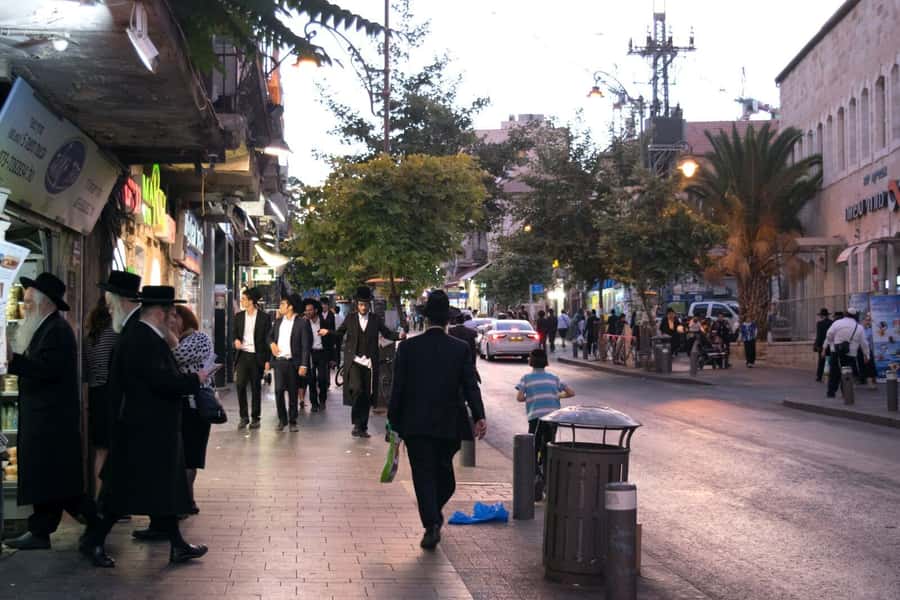
Jerusalem’s ultra-Orthodox neighborhoods can feel like a world apart, even when they sit close to the city center. This 150-minute walking tour takes you into one of those traditional areas with a guide who once belonged to the community, offering explanations that go well beyond what you can see from the street.
I like the chance to visit ordinary places such as a bakery, bookstore, music shop, clothing store, restaurant, synagogue, and yeshiva. I also like the open question-and-answer format, especially because the guide can discuss sensitive subjects such as marriage, women’s roles, media, charity, phones, and Sabbath rules. The main consideration is that some places cannot be entered, and the busy streets can make it hard to hear every word.
In This Review
- Key points to know before you go
- Why this Jerusalem tour feels different
- Starting at Ha-Nevi’im Street
- Walking through a traditional neighborhood
- The questions that give the tour its value
- A personal story, handled with care
- What you can and cannot expect at the stops
- Clothing, manners, and respectful visiting
- Is $53 a fair price?
- Who should book this experience?
- Booking details worth knowing
- Should you book the Meet the Orthodox Jews Tour?
- FAQ
- Where does the tour meet?
- How long does the tour last?
- What language is the tour conducted in?
- What kind of neighborhood will I visit?
- Is the guide a member of the ultra-Orthodox community?
- Can I enter the shops and religious buildings?
- What subjects are discussed?
- What should I wear?
- Should I bring anything with me?
- Can I cancel or pay later?
Key points to know before you go
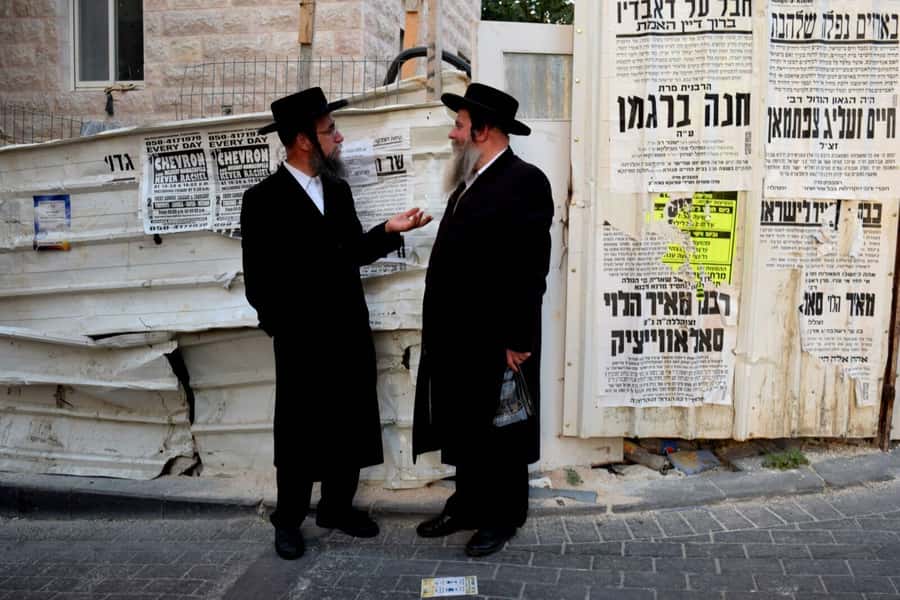
- Former insider’s view: Your guide comes from the ultra-Orthodox community and explains its customs from personal experience.
- A working neighborhood, not a staged attraction: You walk past shops, bakeries, religious schools, synagogues, and daily street life.
- Sensitive subjects are part of the conversation: Expect discussion of marriage, family roles, media, charity, kosher food, phones, Sabbath, and modern Israeli society.
- Some stops are outside-only: Local rules prevent entry into certain businesses and religious buildings, so explanations often happen from the street.
- Modest dress is required: Wear no shorts or sleeveless tops, and women should bring a scarf or shawl.
- Good value for a specialist tour: At $53 per person, the price buys two and a half hours of focused local context rather than a quick photo stop.
Why this Jerusalem tour feels different
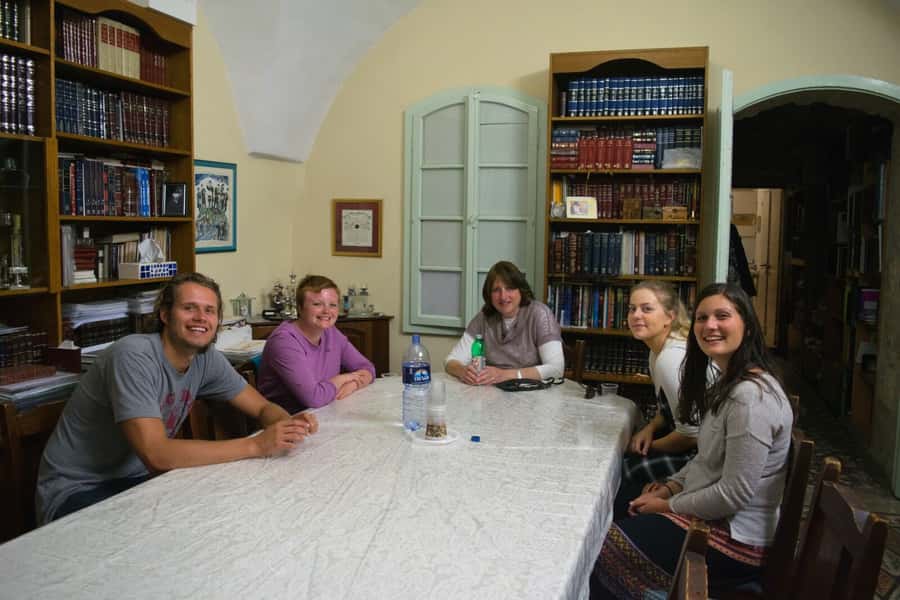
Many Jerusalem sightseeing tours concentrate on famous stones, major churches, archaeological remains, and panoramic views. This one asks you to pay attention to people, rules, clothing, signs, shops, and daily choices. That makes it useful if you want to understand a part of Israeli society that is easy to observe but harder to interpret.
The ultra-Orthodox, often called Haredi, follow religious practices that shape nearly every part of public and private life. A short walk can raise questions about food, dress, education, work, family, technology, and the weekly rhythm of the city. Without context, you may see a bakery or a synagogue and simply move on. With a guide, those details become clues to a larger way of life.
The strongest feature is the guide’s personal connection. You are not just receiving a general introduction to Judaism or a standard Jerusalem history talk. You are hearing from someone who grew up within the local ultra-Orthodox world and later left it. That background allows the guide to explain both the community’s internal logic and some of its tensions.
One guide named Moti is praised for answering personal and difficult questions directly. You should still expect the exact guide to vary, but the experience is built around an insider’s account rather than a fixed script. The discussion can be warm, humorous, critical, and personal without reducing the community to a simple stereotype.
Other Jerusalem days worth putting on the list:
- From Jerusalem: Masada & Dead Sea Full Day Tour with Pick Up
★ 4.5 · 815 reviews - Masada and the Dead Sea Day Trip from Jerusalem
★ 4.5 · 757 reviews - From Jerusalem: Nazareth and Sea of Galilee Tour
★ 4.5 · 588 reviews
Starting at Ha-Nevi’im Street
The meeting point is the bus stop outside the Abraham Jerusalem hostel at Ha-Nevi’im Street 67. The hostel itself is currently closed, so do not go looking for an open reception desk or assume you will meet inside. Use the bus stop as the reference point.
Arrive with enough time to check your clothing and find the stop. One participant who arrived late was given a live location and managed to follow the group, but that is a useful backup, not a reason to cut things close. Jerusalem streets can be confusing, and a walking tour loses its value if you begin stressed or separated from the guide.
The experience is conducted in English. Bring water, a hat, and a camera, though remember that this is a residential religious area rather than a place where every person or doorway should be photographed. Your guide can help you understand what is appropriate.
Walking through a traditional neighborhood
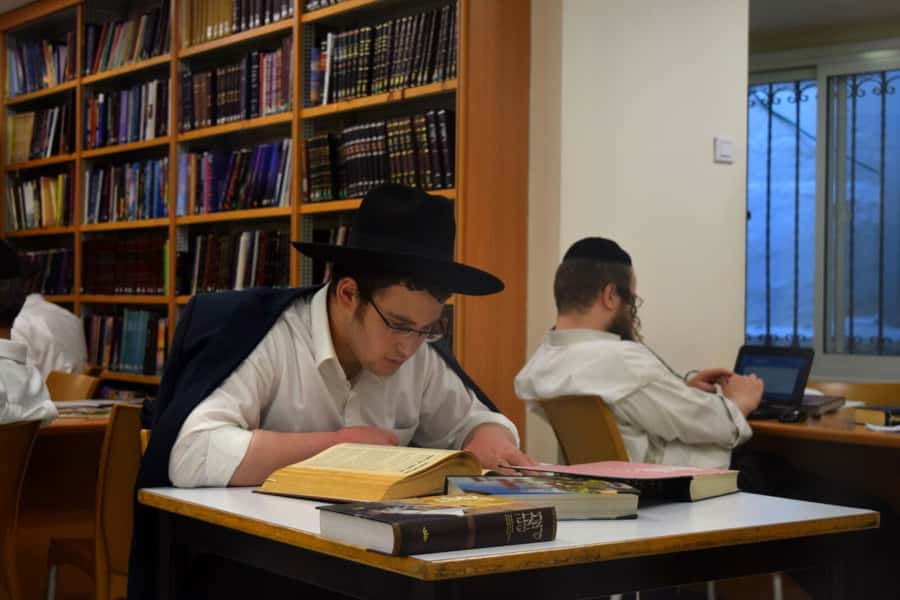
The tour takes you into a traditional ultra-Orthodox neighborhood that is not normally part of the standard Jerusalem sightseeing route. That matters because the area is presented as a lived-in community, not as a museum exhibit arranged for visitors.
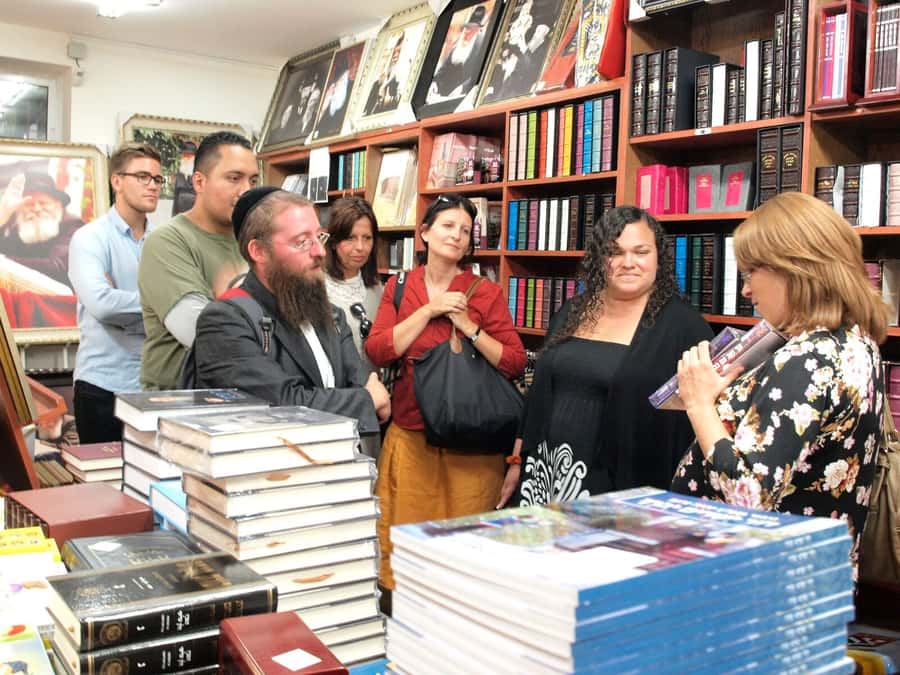
Expect to walk along ordinary streets while the guide points out religious symbols, clothing conventions, signs, buildings, and local habits. Some details may seem small at first: the way a shop is arranged, the use of Hebrew lettering, the appearance of religious books, or the separation between public and private life. The guide’s explanations help connect those details to community values.
You will pass places such as:
- A traditional bakery
- A bookstore
- A music store
- A clothing shop
- A restaurant
- A synagogue
- A yeshiva
- Other neighborhood businesses and religious sites
The point is not to collect a list of attractions. It is to see how a community’s beliefs shape its ordinary surroundings. A bookstore, for example, can lead to a conversation about religious study. A clothing shop can open discussion about modesty. A bakery can introduce kosher food practices and holiday customs.
Some locations cannot be entered because local community rules do not allow it. That may disappoint you if you expect an indoor tour with tastings or shop visits. Still, the outside-only format is also part of the lesson. You are entering a community with its own boundaries, and respecting those boundaries is more important than securing a closer look.
The questions that give the tour its value
The tour becomes most useful when you ask questions. The guide is encouraged to discuss subjects that many visitors might avoid bringing up on their own, including marriage, the role of women, charity, news and media, phones, kosher food, the Sabbath, and Jewish holidays.
Marriage and family life are especially important subjects because they show how religious values affect personal decisions. The guide can explain customs and expectations from an insider’s point of view, while also discussing the differences between community ideals and the realities of individual lives.
The role of women is another area where a clear explanation matters. It is easy to make quick judgments from clothing or public behavior. A personal guide can provide more nuance, explaining how responsibilities are understood within the community and how those arrangements may be viewed from outside it.
Media and phones may sound like modern side issues, but they reveal a great deal about how the community manages contact with wider society. Questions about technology can lead to a broader conversation about education, entertainment, information, family rules, and the boundaries of modern life.
Food gives you another practical window into religious practice. Kosher rules are not simply a restaurant preference. They affect shopping, cooking, eating out, holidays, and social life. Seeing a neighborhood bakery or restaurant while hearing how food rules work makes the subject more concrete.
Sabbath and holidays also shape the city’s weekly rhythm. The discussion helps explain why certain streets, shops, and services may operate differently at particular times. If you visit Jerusalem around a religious holiday, this background can make the changes you see in daily life easier to understand.
Same coast, a completely different kind of day:
- Nazareth and the Sea of Galilee Day Trip from Jerusalem
★ 4.5 · 446 reviews - From Jerusalem: Masada&Dead Sea Tour INCLUDING ENTRANCE FEES
★ 4.3 · 392 reviews - Jerusalem: Guided Walking Tour of the Old City
★ 4.7 · 386 reviews - Full Day City Tour of Jerusalem
★ 4.1 · 367 reviews
A personal story, handled with care
The guide’s former membership gives the tour an unusual emotional weight. One of the most memorable parts may come near the end, when the guide explains his own decision to leave the ultra-Orthodox community and what that change meant.
That story is not just a dramatic ending. It helps you understand that the community is made up of individuals, not a single uniform block. A former member can describe affection, loyalty, pressure, disagreement, loss, and independence in the same conversation.
The best version of this tour does not turn into a simple attack on ultra-Orthodox life. The guide’s role is more useful when he explains why people remain in the community, why its customs matter to members, and where conflicts arise with wider Israeli society. Several comments about the experience describe the guide as empathetic and willing to answer difficult questions without bitterness.
That balance is important. You may arrive with strong opinions about religion, gender, education, or politics. The tour will not necessarily settle those questions. It can, however, give you a clearer picture of why people make different choices and why this sector has an important place in modern Israel.
What you can and cannot expect at the stops
Do not book this experience expecting a long series of indoor visits. The tour is primarily a guided walk, and some places are explained from the pavement because entry is forbidden by local rules.
That means the guide’s storytelling carries much of the experience. If you enjoy asking questions and noticing details, you will get more from it. If you prefer formal exhibits, long indoor visits, or hands-on activities, the format may feel limited.
The bakery and shops are useful because they make daily life visible. You may see the kinds of products and services that support the neighborhood, while learning how religious practice affects ordinary commerce. The synagogue and yeshiva provide a setting for discussing prayer, study, education, and community structure, even if you view them only from outside.
The walk also gives you a chance to observe how public space is used. Clothing, signs, building entrances, shop displays, and street behavior can all carry meaning. Your guide should explain these details rather than leave you guessing, but it is still wise to listen carefully in noisy areas.
One practical weakness is sound. A previous participant found it difficult to hear the guide in some places and suggested headsets. No headset system is listed, so stand close to the guide and move nearer when the group stops. If you have hearing concerns, this is worth considering before booking.
Clothing, manners, and respectful visiting
Modest dress is required. Do not wear shorts or sleeveless shirts, and avoid bare shoulders. Women should bring a scarf or shawl, which is specifically requested as part of the dress guidance.
These rules are not a minor technicality. You are walking through a community where clothing carries religious meaning, and dressing properly shows respect. Pack a light covering even if the rest of your Jerusalem itinerary is casual.
Bring water and a hat, especially if the weather is warm. The tour lasts 150 minutes, so you will be on foot for a substantial part of the afternoon or evening depending on the departure time. Comfortable shoes are sensible, although the activity details do not specify the route or walking surface.
Use your camera thoughtfully. The activity information permits bringing a camera, but permission to photograph people or private spaces is not automatic. When in doubt, ask the guide.
The tour encourages discussion, but curiosity works best when it is paired with courtesy. You can ask direct questions without assuming that one person speaks for every ultra-Orthodox Jew. The guide’s personal history is a valuable source of insight, but it is still one person’s experience.
Is $53 a fair price?
At $53 per person, this is not the cheapest walking tour in Jerusalem. You are paying more than you would for a casual city stroll, but the subject is specialized and the tour lasts two and a half hours.
The value depends on what you want from your visit. If you already understand Haredi customs and mainly want to see the neighborhood, the price may feel high for a walk with limited interior access. If you want a thoughtful explanation of a community that is often misunderstood, the cost is easier to justify.
I see the price as reasonable for a small cultural and social study led by someone with first-hand experience. The tour covers subjects that would be difficult to research quickly on your own, and the question period lets you shape the discussion around your interests.
Food and drinks are not included. That keeps the price clear, but you should not expect a bakery tasting or a meal as part of the outing. The businesses are there to explain local life, not necessarily to provide purchases or samples.
Free cancellation is available up to 24 hours before the start time, and you can reserve now and pay later. Those terms are useful if your Jerusalem schedule may change, but they do not alter the main value question: book this for access to context and conversation, not for a long list of included extras.
Who should book this experience?
I would recommend it to first-time visitors who want more than the usual Old City circuit. It suits people interested in religion, sociology, family life, modern Israel, and the differences between Jewish communities.
It is also a strong choice if you have already seen Jerusalem’s major sights and want to understand another part of the city. The tour gives you a new way to read the streets, especially if you have noticed ultra-Orthodox neighborhoods but felt unsure about local customs.
The experience may suit Jewish visitors especially well, including those who want to compare their own background with Haredi practice. It can also be meaningful for anyone trying to replace assumptions with a more human understanding of a community they have previously observed only from outside.
I would think twice if you dislike walking, prefer a tightly timed sightseeing route, or want guaranteed access inside shops and religious buildings. The tour depends on discussion, and its success depends partly on how willing you are to ask questions and listen.
Booking details worth knowing
The tour lasts 150 minutes and is conducted in English with a live guide. The meeting point is the bus stop outside Abraham Jerusalem, at Ha-Nevi’im Street 67, because the hostel is currently closed.
Dress modestly, bring a scarf or shawl if needed, and pack water, a hat, and a camera. Food and drinks are not included.
You can cancel up to 24 hours in advance for a full refund. You can also reserve and pay later, which gives you some flexibility while planning your Jerusalem days.
Should you book the Meet the Orthodox Jews Tour?
Book it if you want a serious, personal explanation of ultra-Orthodox life rather than a quick look at unusual clothing or closed shops. The former member guide, the open discussion, and the focus on everyday places make this one of the more distinctive cultural walks available in Jerusalem.
Go in with modest clothing, realistic expectations about outside-only stops, and a willingness to ask respectful questions. At $53, it is best value for curious visitors who want social and religious context. It is less suitable for anyone seeking food tastings, indoor attractions, or a purely visual sightseeing walk.
FAQ
Where does the tour meet?
Meet at the bus stop outside Abraham Jerusalem at Ha-Nevi’im Street 67 in Jerusalem. Abraham Jerusalem is currently closed.
How long does the tour last?
The advertised duration is 150 minutes, or two and a half hours.
What language is the tour conducted in?
The tour is conducted in English with a live English-speaking guide.
What kind of neighborhood will I visit?
You will walk through a traditional ultra-Orthodox Jewish neighborhood in Jerusalem that is not typically visited by tourists.
Is the guide a member of the ultra-Orthodox community?
The guide is a former member of the local ultra-Orthodox community and explains its customs and daily life from personal experience.
Can I enter the shops and religious buildings?
Some locations cannot be entered because entry is forbidden by local community rules. You will see them from outside while the guide explains their role.
What subjects are discussed?
The tour can cover marriage, the role of women, media, charity, kosher food, phones, the Sabbath, holidays, and the ultra-Orthodox sector’s place in modern Israeli society.
What should I wear?
Modest clothing is required. Do not wear shorts or sleeveless shirts, and do not show bare shoulders. Women should bring a scarf or shawl.
Should I bring anything with me?
Bring a hat, water, and a camera. Food and drinks are not included.
Can I cancel or pay later?
You can cancel up to 24 hours before the tour for a full refund. You can also reserve your place and pay later.
Just added around Jerusalem
- Tour of Jerusalem & Dead sea private tour★ 5.0 · 4 reviews
- full day tour Jerusalem price per van up to 6 people★ 5.0 · 8 reviews
- West Bank Tour from Jerusalem and Tel-Aviv – Bethlehem & Jericho★ 5.0 · 6 reviews
- jerusalem classic tour★ 5.0 · 3 reviews
- Privet Tour – FROM JERUSALEM TO JERICHO & THE DEAD SEA★ 5.0 · 8 reviews
- Experience Shabbat With Dinner In Jerusalem★ 5.0 · 5 reviews
- Private Tour: Old City of Jerusalem Christianity Tour★ 5.0 · 5 reviews
- Private Silk Painting Workshop in Jerusalem – Create a scarf –★ 5.0 · 4 reviews
Jerusalem Tours, compared.
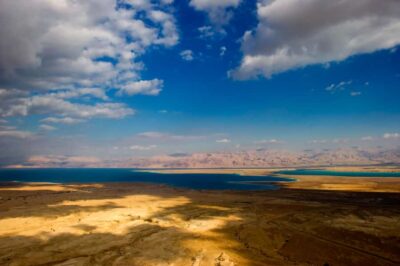
From Jerusalem: Masada & Dead Sea Full Day Tour with Pick Up
Read our review →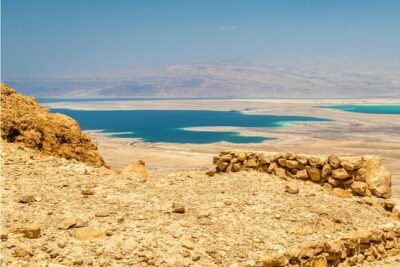
Masada and the Dead Sea Day Trip from Jerusalem
Read our review →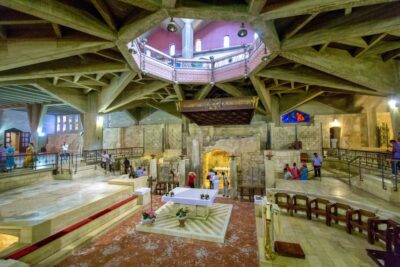
From Jerusalem: Nazareth and Sea of Galilee Tour
Read our review →
Nazareth and the Sea of Galilee Day Trip from Jerusalem
Read our review →
From Jerusalem: Masada&Dead Sea Tour INCLUDING ENTRANCE FEES
Read our review →
Browse the lists this tour appears in