
Reviewed · DEAD SEA TOURS
Jerusalem and the Dead Sea
The clever part of this private outing is the contrast: Jerusalem’s ancient stone lanes in the morning, followed by the desert and a float in the Dead Sea. You get a quick look at Mount Scopus, the Old City, modern Jerusalem, Ein Gedi, and the Dead Sea without arranging several separate trips.
I especially like the included private car and hotel transfers, which save time on a long day, and the rooftop ramparts walk, a less usual way to see the Old City’s four quarters. The main drawback is the tight schedule. Six to eight hours covers a lot of ground, but it leaves limited time for lingering at major sites.
In This Review
- Key points at a glance
- One day, two very different Israels
- Mount Scopus gives you your first bearings
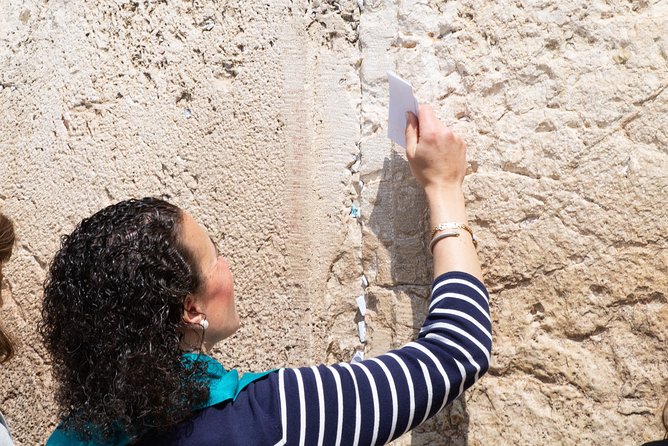
- The Old City from rooftops to the Western Wall
- Modern Jerusalem from the vehicle window
- Ein Gedi brings fresh water to the desert
- Floating at the Dead Sea
- What the private price means for your group
- How the pace shapes the experience
- Who will get the most from this outing
- Is Jerusalem and the Dead Sea worth booking?
- FAQ
- How long does the Jerusalem and Dead Sea tour last?
- What is included in the tour price?
- How many people can join the private tour?
- Is food included?
- What places are visited?
- Can I cancel for a full refund?
Key points at a glance
- Mount Scopus viewpoint: Begin above Jerusalem beside the Hebrew University, with a 30-minute overview of the city.
- Rooftop ramparts route: See the Old City from above before walking through the Cardo and onward to the Western Wall.
- Modern Jerusalem by car: Pass the Israeli Parliament, High Court of Justice, and Israel Museum between the Old City and desert.
- Ein Gedi oasis walk: Spend about an hour beside fresh-water waterfalls in an otherwise dry setting.
- Dead Sea admission included: Finish with up to two hours for floating and covering yourself in mineral-rich mud.
- Private group format: The $1,700 price covers up to five people, with a local driver and guide, hotel pickup, and return.
One day, two very different Israels
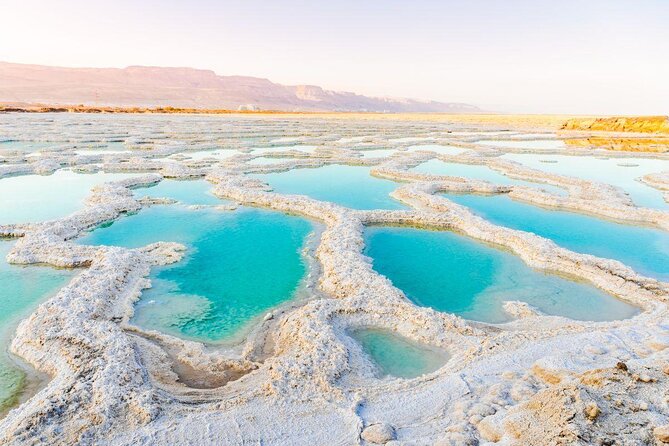
This tour works because Jerusalem and the Dead Sea feel like separate worlds. In Jerusalem, you move through compact streets shaped by Jewish, Christian, Muslim, Byzantine, and modern Israeli eras. Later, the city gives way to bare desert and the salty waters of the Dead Sea.
You begin at about 8:00 a.m., an important detail for anyone trying to fit both places into one day. The tour lasts roughly six to eight hours, depending on the day’s pace and conditions. That is enough for a strong first look, not enough for a slow study of Jerusalem’s museums, churches, or archaeological sites.
The private format is the real advantage. Your group of up to five travels together, and the driver-guide can keep the day moving without waiting for a large coach. Shachar Gel is associated with the guiding service and is described as someone who can connect ancient and modern Israeli history across a multi-day visit. If Shachar leads your outing, you can expect a guide-led day with plenty of context during the drives and walks.
More Dead Sea Tours in Jerusalem
- From Jerusalem: Masada & Dead Sea Full Day Tour with Pick Up
★ 4.5 · 815 reviews - Masada and the Dead Sea Day Trip from Jerusalem
★ 4.5 · 757 reviews - From Jerusalem: Masada&Dead Sea Tour INCLUDING ENTRANCE FEES
★ 4.3 · 392 reviews
Mount Scopus gives you your first bearings
The first stop is the National Botanical Garden at Mount Scopus, beside the modern Hebrew University of Jerusalem. You have about 30 minutes here, so think of it as an opening viewpoint rather than a full garden visit.
That short pause matters. Jerusalem can feel confusing at first, with hills, walls, neighborhoods, and religious sites packed into a small area. From Mount Scopus, you get a broad look at the city before entering its oldest quarter. The stop also places modern academic Jerusalem beside the ancient city, a useful reminder that this is not a preserved museum town.
The itinerary calls this a scenic overview, and that is the right expectation. You are not being promised a long botanical tour or an extended nature walk at Mount Scopus. Bring your camera, listen to the guide’s orientation, and use the time to understand where the Old City sits in relation to the wider city.
The Old City from rooftops to the Western Wall
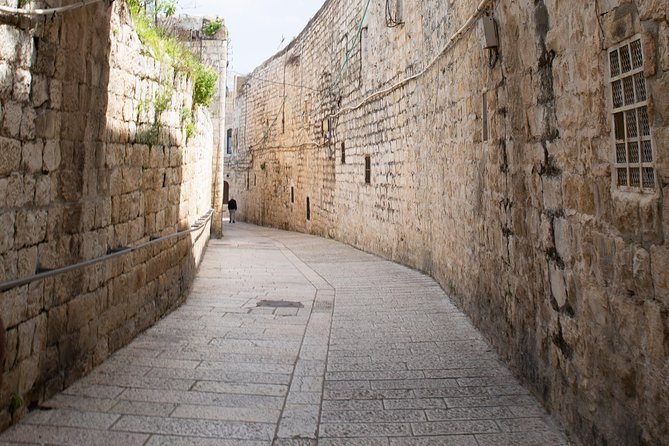
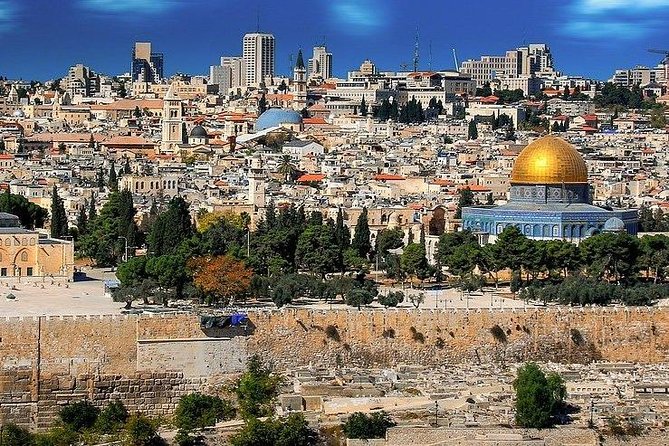
The Old City is the heart of the day. You spend about two hours walking through its ancient streets, moving across all four quarters and toward the Western Wall. The route includes a rooftop ramparts experience, the Byzantine-era Cardo, four famous Sephardic synagogues, and the Western Wall.
The rooftop section gives you a different view from the usual street walk. From above, the Old City’s tight construction makes more sense. You can look across rooftops and see how the quarters fit together, rather than simply turning from one narrow lane into another. It is also a good way to appreciate the city’s stone architecture without spending the entire visit at ground level.
The Cardo was the main thoroughfare of Byzantine Jerusalem. Walking along it adds a clear time layer to the visit: the city you see today is built over and around earlier Jerusalem. The route then continues to the four Sephardic synagogues before reaching the Western Wall, one of the most important Jewish religious sites in the world.
You should expect this portion to be a walking tour, not a series of long indoor visits. The supplied timing is only two hours, so the guide must keep the group moving. If you want extended time at the Western Wall, detailed synagogue visits, or a slower exploration of each quarter, this combined tour may feel brisk.
That limitation is also part of its value. You get a structured introduction without having to find each site yourself. For a first day in Jerusalem, the route helps you build a mental map quickly. For a return visit focused on one religious or archaeological site, a narrower tour would give you more time.
Wear shoes suited to old stone streets and expect the day to involve walking and changes in elevation. The tour information says most people can participate, but no special accessibility details are provided, so anyone with mobility concerns should confirm the route before booking.
Modern Jerusalem from the vehicle window
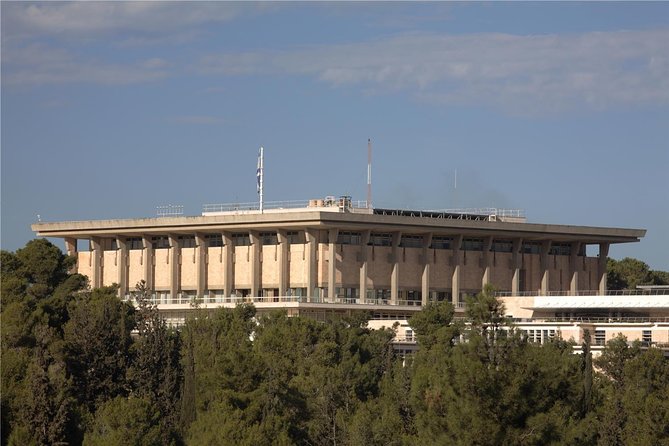
After the Old City, the tour drives through New Jerusalem. You pass the High Court of Justice, the Israel Museum, and the Israeli Parliament, also known as the Knesset.
This part is brief, but it gives the day a useful balance. Jerusalem is not only walls and sacred places. The courts, museum, and parliament represent the modern state and its public institutions. Seeing them from the vehicle connects the old quarter with the city that grew around it.
Do not treat this section as a full sightseeing stop. The information describes a drive-by visit, not admissions or guided time inside these buildings. If the Israel Museum is high on your personal list, you will need a separate visit. Here, the point is context and orientation while heading toward the desert.
A private vehicle makes this transition especially practical. You do not need to work out a public transport route between the Old City, Ein Gedi, and the Dead Sea. The guide can also explain what you are passing as the city changes outside the window.
Same coast, a completely different kind of day:
- From Jerusalem: Nazareth and Sea of Galilee Tour
★ 4.5 · 588 reviews - Nazareth and the Sea of Galilee Day Trip from Jerusalem
★ 4.5 · 446 reviews - Jerusalem: Guided Walking Tour of the Old City
★ 4.7 · 386 reviews - Full Day City Tour of Jerusalem
★ 4.1 · 367 reviews
Ein Gedi brings fresh water to the desert
The next stop is Ein Gedi, where you take a short nature walk through a freshwater oasis. The visit lasts about an hour and includes natural waterfalls.
This is one of the day’s best changes of pace. After Jerusalem’s streets and buildings, Ein Gedi gives you shade, water, and a chance to walk in a natural setting before the final stop. The contrast is striking even without a long hike: dry desert surroundings, then fresh water flowing through the oasis.
Keep your expectations sensible. The itinerary promises a short walk, not a major trek or a full-day nature excursion. You may find the hour just right after the morning’s urban walking, but anyone hoping to explore every trail will want a separate Ein Gedi visit.
The stop also helps explain why this area matters. Water is precious in the desert, and an oasis such as Ein Gedi feels entirely different from the bare terrain around it. Your guide can provide the larger setting while you enjoy the waterfalls and natural surroundings.
Floating at the Dead Sea
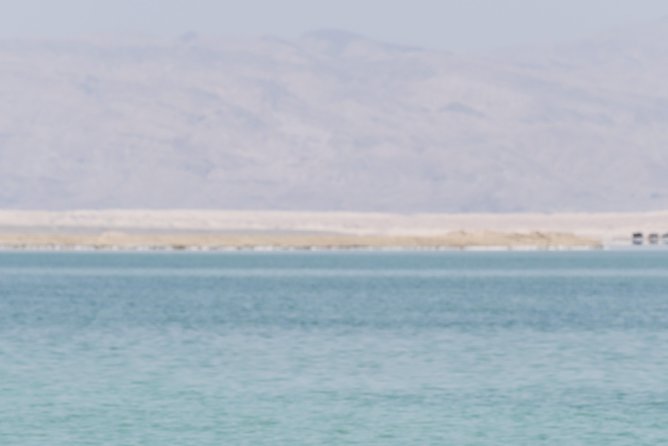
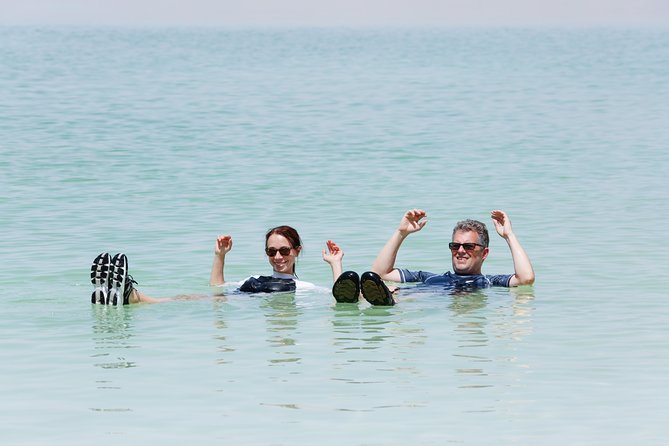
The final stop takes you down to the lowest spot on the planet, the Dead Sea region. You have about two hours here, and admission is included.
The basic experience is simple and unusual: enter the mineral-rich water, lie back, and float. You can also cover yourself with Dead Sea mud before rinsing off. This is not a conventional beach visit. The water’s high mineral content creates the famous floating sensation, and the mud is part of the familiar Dead Sea ritual.
Two hours gives you enough time to try the water without turning the stop into an all-day resort stay. It also leaves a little room to change, rinse off, and settle down after the drive. Food and drinks are not included, so plan to handle those separately if needed.
The Dead Sea is a strong finish because it requires very little effort after a full morning. You are not being asked to climb, study, or navigate another complex site. You simply enjoy a rare natural experience before returning to Jerusalem.
Follow the local bathing instructions carefully. The tour information does not give specific facilities, changing arrangements, or swimming guidance, so confirm practical details if those matter to you. Avoid getting the water in your eyes, and remember that the tour’s focus is the included entrance and float, not a spa treatment or wellness program.
What the private price means for your group
The listed cost is $1,700 per group of up to five people. That is a high total price for one day, but it works out to $340 per person if five people share it. For two people, the effective cost is $850 each, making the value much harder to justify unless privacy and door-to-door service are especially important.
The price includes:
- A private tour for your group only
- A local driver and guide
- Hotel pickup and drop-off
- Round-trip private transport
- Admission to the Dead Sea
Food, drinks, and souvenir photos cost extra. The Old City, Mount Scopus, and Ein Gedi portions are described without separate admission charges, while the Dead Sea entrance is specifically included.
For a family of four or five, the package is easier to defend. You avoid coordinating several transfers, keep the same guide all day, and can combine two difficult-to-link destinations in one outing. A private group also helps if you want to ask questions about Jerusalem’s ancient and modern sides as you go.
For a couple or solo visitor, compare the cost with your other options before booking. The value comes from convenience, privacy, and the amount of ground covered, not from long stays at each attraction. If you prefer slow travel, this may feel expensive and rushed. If you have only one free day and want both Jerusalem and the Dead Sea, the calculation improves.
How the pace shapes the experience

The schedule is ambitious. A typical day includes:
- 30 minutes at Mount Scopus
- About two hours in the Old City
- A drive through modern Jerusalem
- About one hour at Ein Gedi
- About two hours at the Dead Sea
That adds up to roughly five and a half hours of stops before counting driving time, which explains the stated six to eight hour duration. The route is carefully packed, but road conditions and the actual time spent at each stop can affect the finish.
You should book this with the right mindset. You are getting a broad sampler, not an exhaustive study of Jerusalem or the Dead Sea. The Old City receives the most walking time, while the modern city is seen from the car and Ein Gedi receives a short nature visit.
I like this format for a first visit, especially when your schedule is tight. It gives you enough exposure to decide where you want to return. I would not choose it for a pilgrim with one specific sacred site in mind, a serious museum visitor, or a hiker wanting a long walk at Ein Gedi.
Who will get the most from this outing
This tour suits families, small groups, and first-time visitors who want a private introduction to several major settings in one day. The included hotel pickup and return are particularly useful if you do not want to manage a long cross-country day by rental car or public transport.
It is also a good match for anyone who values explanation during the journey. The strongest praise connected with the guiding service centers on Shachar Gel’s ability to discuss ancient and present-day Israel across a full itinerary. The service is described as attentive and well organized, with one family specifically praising the help given around a Bar Mitzvah trip.
The route may be less suitable if you dislike full days with several transitions. Jerusalem’s Old City deserves time, and the Dead Sea is far enough away that the outing cannot linger everywhere. You will need to accept quick visits in exchange for range.
The tour is private, and most people can participate. Confirmation comes when you book. Pickup begins at 8:00 a.m., and hotel pickup and drop-off are included, though the supplied details do not specify a list of pickup areas or exact return time.
Is Jerusalem and the Dead Sea worth booking?
Book it if you have one day for both destinations, a group of up to five, and a strong preference for private transport with a guide. The combination of rooftop Jerusalem views, the Cardo, the Western Wall, Ein Gedi waterfalls, and a Dead Sea float gives you a memorable cross-section of the region.
Think twice if you are booking for only one or two people and price matters most. The $1,700 group rate becomes much better with a full group. Also skip it if you want long museum visits, extended religious-site time, or a serious Ein Gedi hike.
For the right group, the tour’s best feature is its range. You move from a Jerusalem overlook to ancient streets, modern institutions, a desert oasis, and mineral-rich water, all with one driver-guide and one round-trip vehicle. That is a lot for a single day, provided you are happy to keep moving.
FAQ
How long does the Jerusalem and Dead Sea tour last?
The tour lasts approximately six to eight hours. The listed start time is 8:00 a.m.
What is included in the tour price?
The price includes a private tour, local driver and guide, hotel pickup and drop-off, round-trip private transport, and Dead Sea admission.
How many people can join the private tour?
The $1,700 price covers a private group of up to five people. Only your group participates.
Is food included?
No. Food and drinks are not included in the tour price.
What places are visited?
The route includes Mount Scopus National Botanical Garden, Jerusalem’s Old City, a drive past modern city highlights, Ein Gedi Oasis, and the Dead Sea region.
Can I cancel for a full refund?
Yes. You can cancel at least 24 hours before the experience start time for a full refund. Cancellations or changes made less than 24 hours before the start time are not accepted for a refund.
Just added around Jerusalem
- Tour of Jerusalem & Dead sea private tour★ 5.0 · 4 reviews
- full day tour Jerusalem price per van up to 6 people★ 5.0 · 8 reviews
- West Bank Tour from Jerusalem and Tel-Aviv – Bethlehem & Jericho★ 5.0 · 6 reviews
- jerusalem classic tour★ 5.0 · 3 reviews
- Private Tour: Old City of Jerusalem Christianity Tour★ 5.0 · 5 reviews
- Privet Tour – FROM JERUSALEM TO JERICHO & THE DEAD SEA★ 5.0 · 8 reviews
- Experience Shabbat With Dinner In Jerusalem★ 5.0 · 5 reviews
- Private Silk Painting Workshop in Jerusalem – Create a scarf –★ 5.0 · 4 reviews
Dead Sea Tours, compared.
From Tel Aviv: Masada & Dead Sea Full Day Tour with Pick Up
Read our review →
Masada and the Dead Sea Day Trip from Tel Aviv
Read our review →
From Jerusalem: Masada & Dead Sea Full Day Tour with Pick Up
Read our review →
Masada and the Dead Sea Day Trip from Jerusalem
Read our review →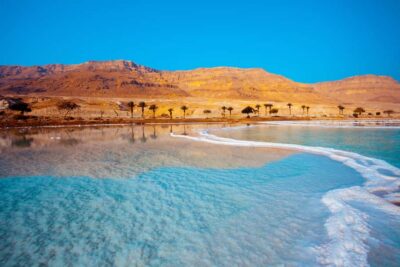
From Tel Aviv: Masada, Ein Gedi & Dead Sea Tour
Read our review →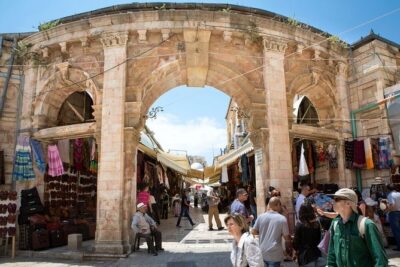
From Jerusalem: Masada&Dead Sea Tour INCLUDING ENTRANCE FEES
Read our review →Browse the lists this tour appears in