
Reviewed · JERUSALEM OLD CITY TOURS
Jerusalem: 3–Hour Old City Tour in French
Jerusalem’s Old City packs centuries into a few tight lanes, and this private three-hour walk gives you a clear route through that story. You move from the Armenian Quarter to the Jewish Quarter, along the Roman Cardo, past the Western Wall, and finally to the Church of the Holy Sepulchre.
I like the private-group format, since you can follow the guide’s pace and ask questions without competing with a large crowd. I also like the strong historical arc, especially the link between King Hezekiah’s water system, Jerusalem’s Temple, the Islamic era, and the path associated with Jesus.
The main consideration is time. Three hours is enough for an excellent introduction, but not enough to explore every lane, museum, or religious building in detail. Entrance fees are not included, and much of the experience takes place on foot, so bring water, a hat, and good walking shoes.
In This Review
- Key points to know before you book
- Starting near Mamilla and entering through Jaffa Gate
- The Armenian Quarter comes first
- Walking the Roman Cardo with Hadrian
- Hezekiah, Isaiah, and the problem of water
- The Jewish Quarter and the Western Wall
- Islamic-era Jerusalem and the city’s shared center
- Ending at the Church of the Holy Sepulchre
- What the guide adds to the experience
- Price, pace, and what you receive
- Who should book this Old City walk
- Should you book it?
- FAQ
- Where does the tour meet?
- How long does the tour last?
- What languages are available?
- Is this a private tour?
- What is included in the price?
- Are museum and park entrance fees included?
- What should I bring?
- Can I cancel the booking?
Key points to know before you book
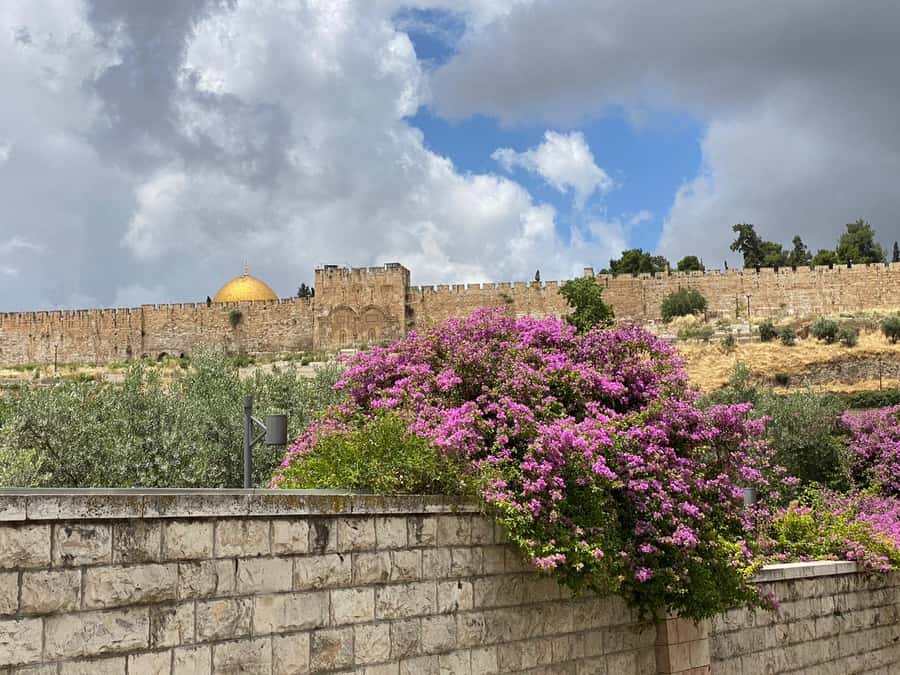
- A private walk through all four quarters: The route connects Armenian, Jewish, Christian, and Islamic parts of the Old City.
- Florent is the named guide: His tours are available in French, English, and Italian, with especially clear and attentive guiding noted in the feedback.
- Roman Cardo and biblical Jerusalem: You follow the ancient Cardo and hear the story of King Hezekiah and the prophet Isaiah.
- Major sacred landmarks: The walk includes the Western Wall and finishes at the Church of the Holy Sepulchre.
- Three hours on foot: This is a focused orientation tour, not a full museum and monument visit.
- Flexible booking: You can cancel up to 24 hours before the tour for a full refund and reserve without paying immediately.
Starting near Mamilla and entering through Jaffa Gate
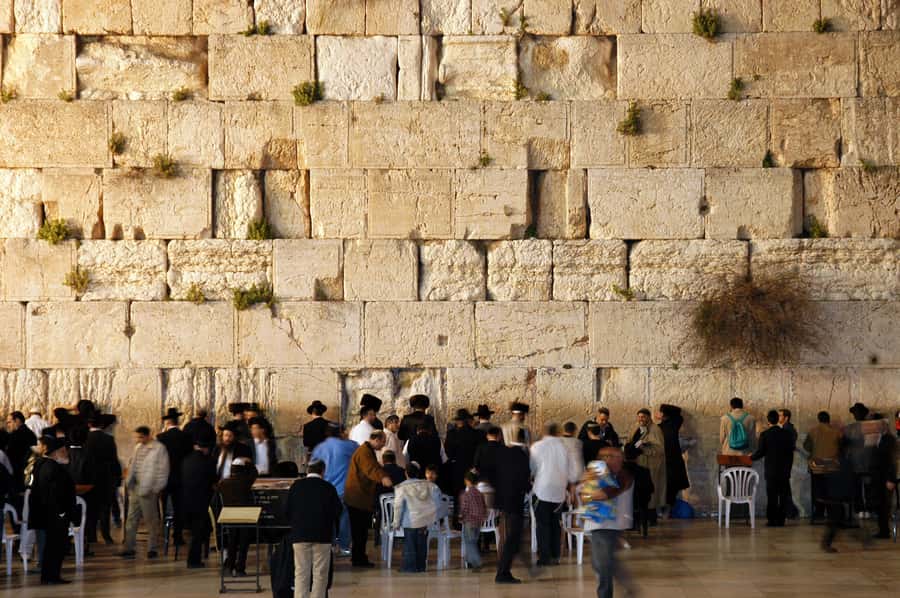
The meeting point is at the entrance to the Mamilla Shopping area, with the walking tour beginning at Jaffa Gate. This gives you a useful starting point at one of Jerusalem’s best-known entrances to the Old City.
Jaffa Gate is more than a place to gather. It opens toward the Old City walls built under Suleiman the Magnificent, the Ottoman ruler whose 16th-century fortifications still define much of Jerusalem’s edge. The walls help you understand the Old City as a protected urban center rather than simply a collection of holy sites.
The opening discussion also touches on the creation of the State of Israel and Jerusalem’s different neighborhoods. That modern context matters. Without it, the Old City can feel like a string of disconnected religious stops. With it, you begin to see Jerusalem as a living city shaped by ancient faith, empire, politics, and daily life.
Because this is a walking tour, I would arrive ready to move soon after meeting the guide. The supplied details do not give a separate transfer between Mamilla and Jaffa Gate, so confirm the exact meeting instructions and starting time when you book.
More Jerusalem Old City Tours in Jerusalem
- Jerusalem: Guided Walking Tour of the Old City
★ 4.7 · 386 reviews - Best seller! Jerusalem old city four quarters tour
★ 5.0 · 123 reviews - Private Tour Jerusalem Old City
★ 5.0 · 118 reviews
The Armenian Quarter comes first
The first historical section is the Armenian Quarter. This is a good choice for the opening because it introduces one of the Old City’s four distinct quarters before the route moves into better-known Jewish and Christian landmarks.
The Armenian presence in Jerusalem forms part of the city’s long religious story, and the quarter gives the tour a quieter beginning than starting immediately at the Western Wall or Church of the Holy Sepulchre. Your guide can help you notice how the Old City is divided into neighborhoods with different traditions and identities.
I would pay attention here to the way the guide explains the quarter rather than expecting a long list of formal visits. The available information promises a walking tour through the area, not admission to a particular Armenian museum or church. Any museum or park admission is extra, so this portion is mainly about streets, setting, and historical explanation.
A private guide is useful in this kind of neighborhood. You can ask for more detail about Armenian history, the quarter’s place within Jerusalem, or how it connects to the rest of the Old City.
Walking the Roman Cardo with Hadrian
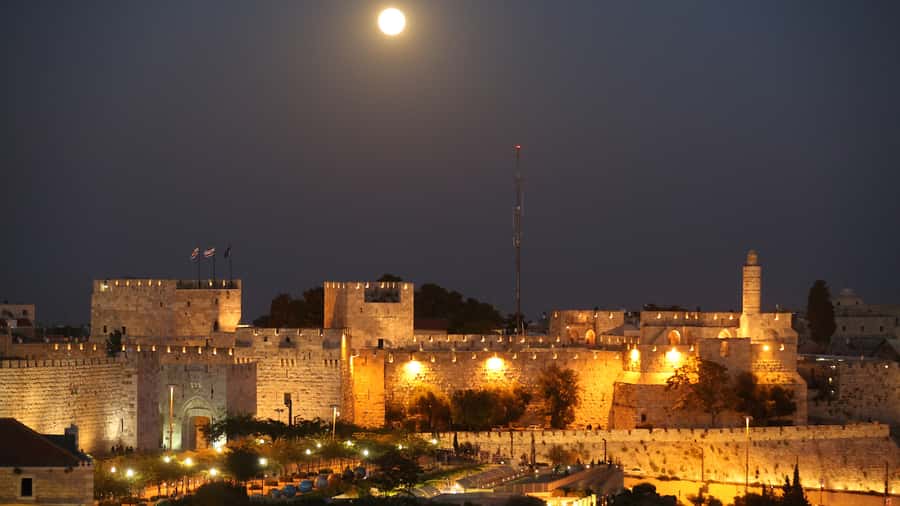
From the Armenian Quarter, the tour moves into the Jewish Quarter and then back to the Roman period through the Cardo. The name refers to the main north-south street of a Roman city, and the route connects Jerusalem with the rule of Publius Aelius Hadrianus, better known as the emperor Hadrian.
The Cardo offers a change of scale. Instead of thinking only about biblical Jerusalem, you begin to see the city as part of the Roman world. The route makes the passage of time physical: one quarter leads to another, and the street itself becomes evidence of a later city built over older foundations.
This is one of the tour’s strongest features for anyone who wants more than a holy-site checklist. The Roman section gives you a framework for understanding why Jerusalem looks layered and often confusing. Different rulers changed its streets, walls, and public spaces, yet traces of earlier periods remain underfoot.
Do not expect the Cardo to be a full archaeological visit with a long stop at every excavation. The tour lasts three hours and covers several periods, so the guide must keep the route moving. That balance is useful for a first visit, but you may want separate time later if Roman archaeology is your main interest.
Hezekiah, Isaiah, and the problem of water
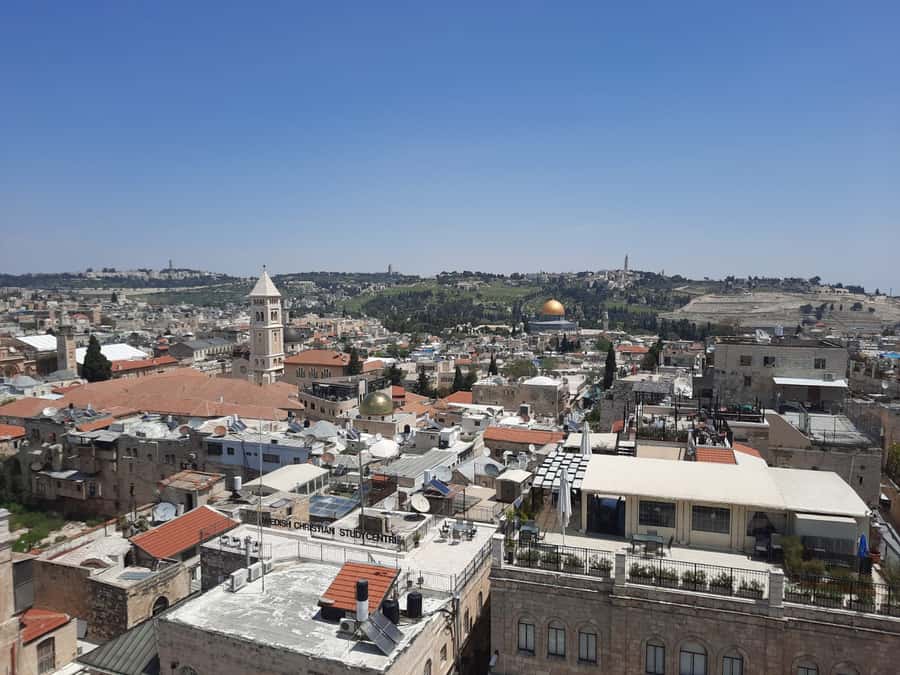
The tour then turns to biblical Jerusalem through the story of King Hezekiah and the prophet Isaiah. Hezekiah is remembered not only as a pious king but also for technical work connected with Jerusalem’s water supply.
That detail gives the biblical section real substance. Ancient Jerusalem needed reliable water, especially during periods of conflict. The story of Hezekiah’s engineering shows how religious history and practical city planning were tied together. A king could be judged by worship and by whether his people could survive a siege.
The guide’s task here is to connect the biblical account with the physical city. You are not simply hearing names from scripture. You are being asked to picture Jerusalem as a place where rulers dealt with stone, water, walls, and defense.
The tour description does not promise entry into Hezekiah’s Tunnel or another paid archaeological site. If you want to walk through a tunnel or visit a museum, ask about adding that separately and allow extra time. Entrance fees are not part of the tour price.
Same coast, a completely different kind of day:
- From Jerusalem: Masada & Dead Sea Full Day Tour with Pick Up
★ 4.5 · 815 reviews - Masada and the Dead Sea Day Trip from Jerusalem
★ 4.5 · 757 reviews - From Jerusalem: Nazareth and Sea of Galilee Tour
★ 4.5 · 588 reviews - Nazareth and the Sea of Galilee Day Trip from Jerusalem
★ 4.5 · 446 reviews
The Jewish Quarter and the Western Wall
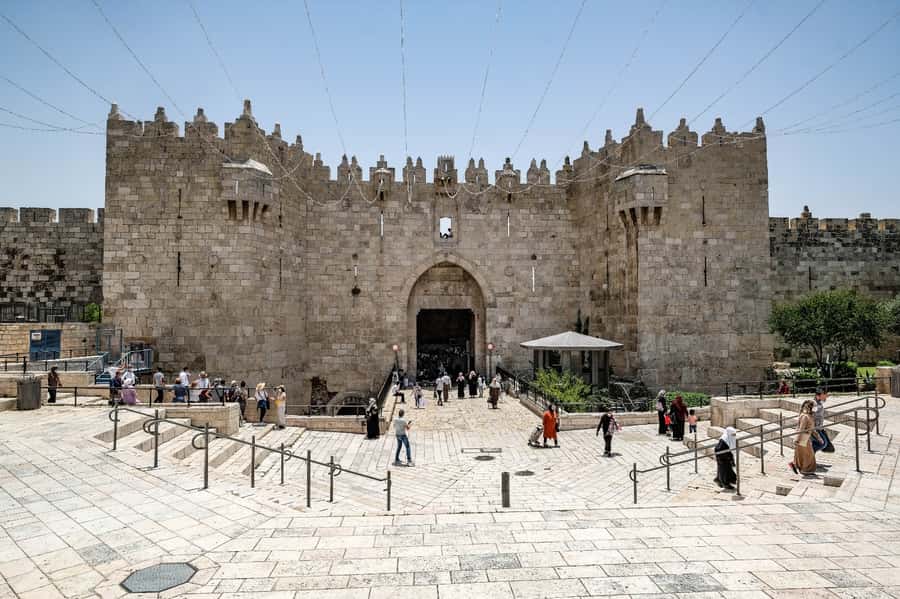
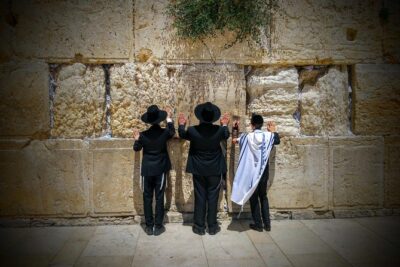
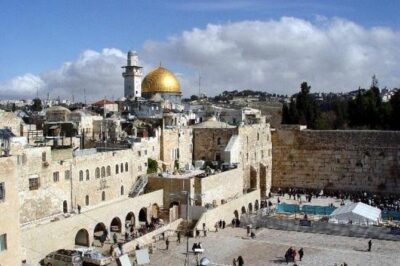
The route continues through the Jewish Quarter and on to the Western Wall. This is one of the most important stops on the walk, but it works better after the earlier historical context.
The Western Wall is a surviving section associated with the retaining walls of the Temple Mount. It is a place of prayer and a powerful point of connection with Jewish history. Your guide can explain how the site fits into the story of the Temple of Jerusalem and the changing control of the city.
I appreciate that this tour places the Western Wall within a wider sequence rather than treating it as an isolated photo stop. You first hear about biblical Jerusalem, then see how the Temple shaped the city, and then encounter one of the most important surviving places connected with that history.
The experience at any major religious site depends on the conditions of the day. The provided information does not specify rules, access arrangements, or how long you will remain at the wall. Dress and behavior should be respectful, and your guide can explain what is appropriate during the visit.
Islamic-era Jerusalem and the city’s shared center
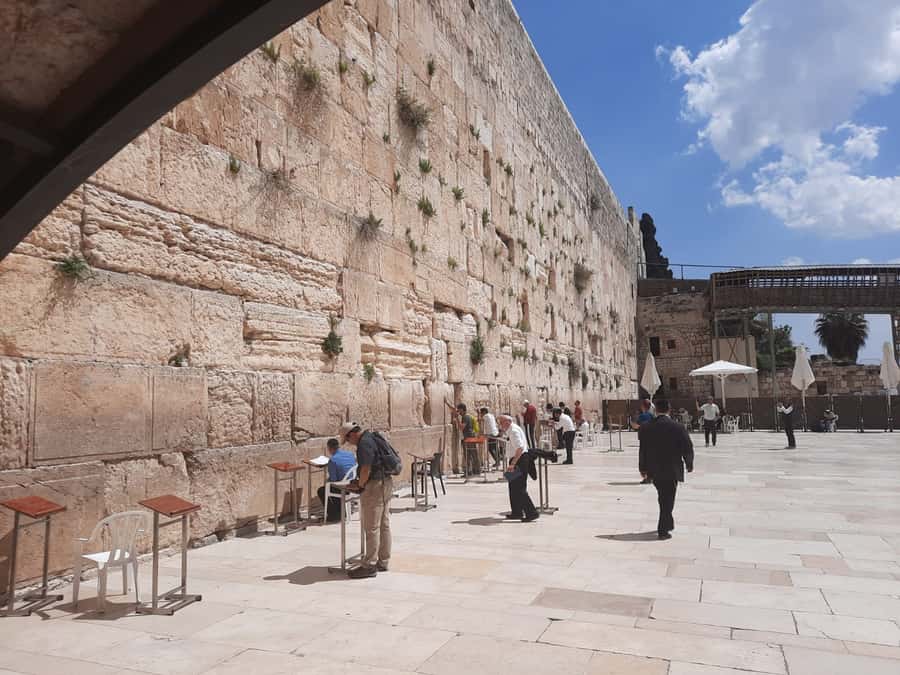
The walk also addresses the Islamic era of Jerusalem. This is essential to the tour’s promise to present the three Abrahamic religions: Judaism, Christianity, and Islam.
Jerusalem cannot be explained through one faith or one historical period. The Islamic era shaped the city’s monuments, authority, streets, and religious importance. Including this section helps you see that the Old City is not a museum frozen in biblical time. It is a place where several sacred traditions remain closely connected, sometimes peacefully and sometimes with great tension.
The information provided does not identify a specific Islamic monument or promise entry to a particular site. That is worth keeping in mind if your main goal is a detailed visit to a named mosque or shrine. Here, the Islamic period forms part of the walking narrative and the wider story of Jerusalem.
The private format helps with sensitive subjects. You can ask the guide to clarify dates, traditions, or the relationship between the different quarters without relying on a one-size-fits-all presentation.
Ending at the Church of the Holy Sepulchre
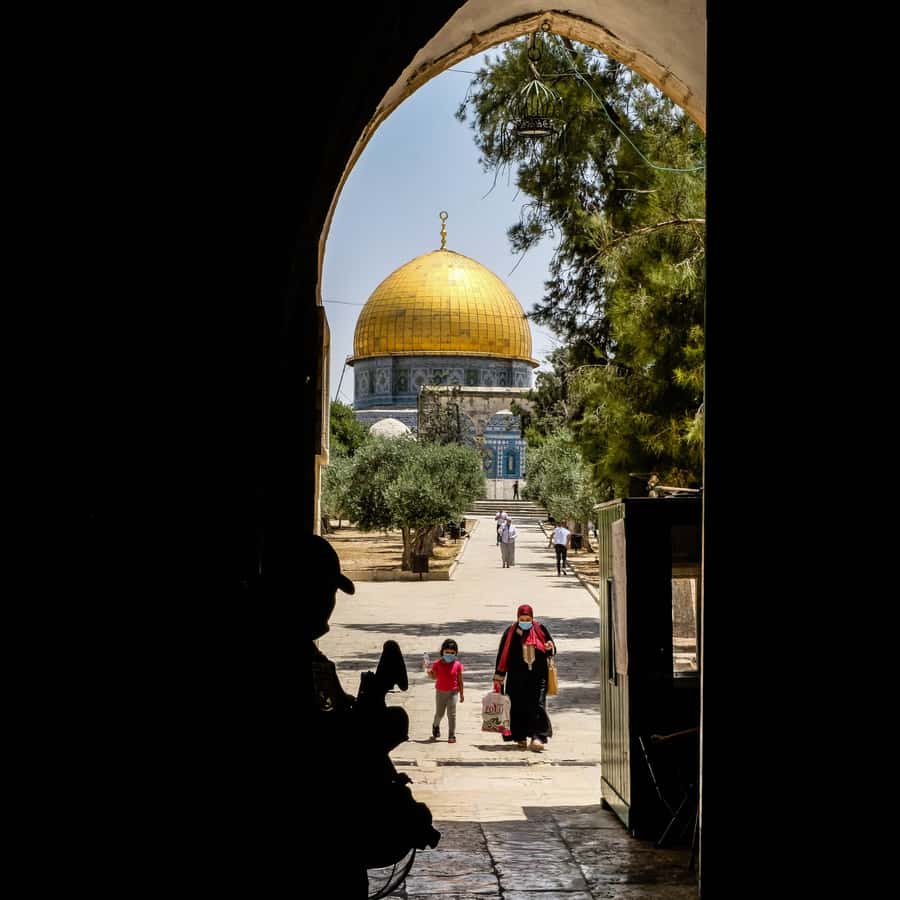
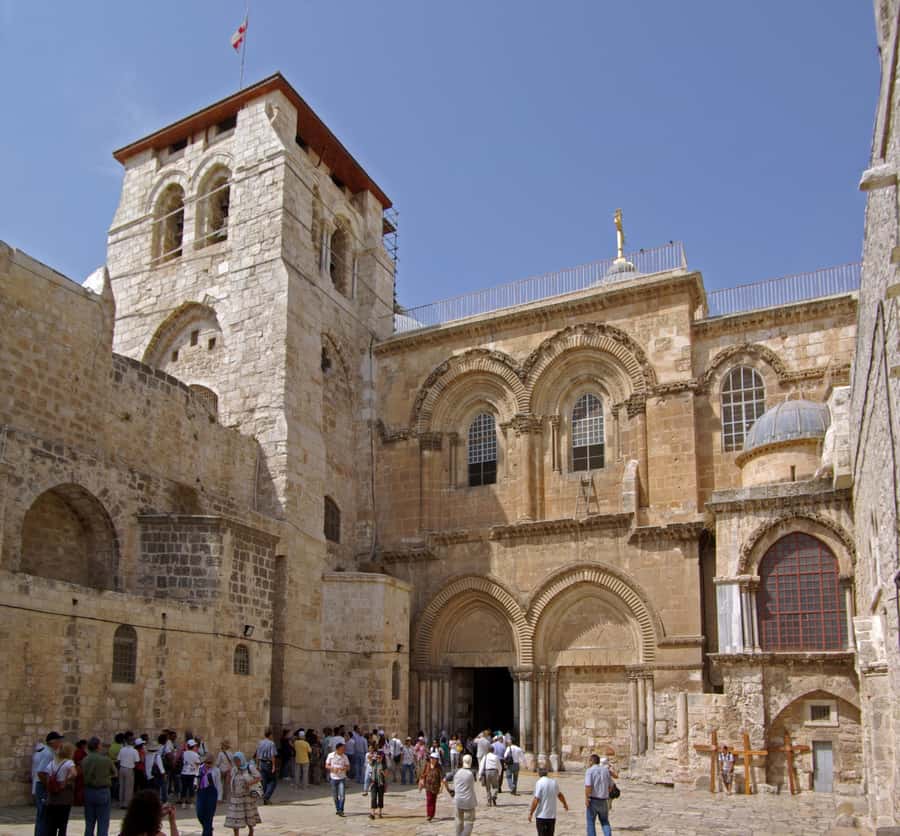
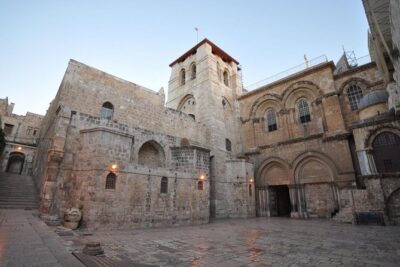
The final stop is the Church of the Holy Sepulchre, reached by following the path associated with Jesus and the story of the Passion. Ending here gives the tour a clear Christian focus after the Armenian, Jewish, Roman, biblical, and Islamic sections.
The church is one of Jerusalem’s most important Christian sites. Its importance comes from its connection with the final events of Jesus’s life, death, and burial. The tour description calls the visit to the church the end of the route, but it does not specify how much time is reserved inside or whether every chapel will be covered.
That distinction matters. A three-hour walking tour can introduce the church and explain its role, but it is unlikely to replace a separate, unhurried visit if you want to study the building closely. The church’s layout and traditions can be difficult to understand without guidance, so even a shorter stop can be worthwhile.
Finishing here also makes practical sense. You end with one of the Old City’s major Christian landmarks instead of returning to the starting point. Since no return transportation is included, ask the guide for directions if you need help continuing afterward.
What the guide adds to the experience
The named guide is Florent, and the tour provider is Florent Tour Guide Israel. The experience is offered in French, English, and Italian, so you can choose the language that lets you follow religious and historical details most easily.
The strongest feedback centers on Florent’s manner. He is described as attentive, cultured, clear, and pleasant, with explanations that are easy to follow. That combination is valuable in Jerusalem, where a guide can easily overwhelm you with dates, names, and competing claims.
I would choose the French option if you are most comfortable discussing history and religion in French. The listing also indicates live guiding in English and Italian, but the guide’s language availability may depend on the date and starting time. Confirm your preferred language during booking.
Since the group is private, you are not joining a large public departure. That usually means more room for questions and a better chance to adjust the emphasis. Still, the route and duration remain fixed enough that you should tell the guide early if you care most about Roman history, biblical sites, Jewish heritage, or Christian landmarks.
Price, pace, and what you receive
The price is $82 per person. For a private three-hour tour with a live guide, that can be fair value if you want a focused introduction and personal attention. It is less attractive if you plan to spend most of your time inside museums or paid archaeological sites, since those admission fees are not included.
The tour includes the guide only. You should budget separately for any park or museum entrance fees and for anything else you choose to do before or after the walk.
Three hours is a useful length for a first look at the Old City. It is long enough to connect several periods without taking up an entire day, but short enough to fit around other plans. The tradeoff is that the schedule must move briskly across four quarters and three religious traditions.
The walking surface and heat are practical concerns. Bring a hat, water, and good walking shoes, exactly as advised for the activity. One earlier booking took place in rain, yet the tour still went ahead successfully, so weather can affect comfort even when it does not cancel the experience.
Who should book this Old City walk
I would recommend this tour to a first-time Jerusalem visitor who wants a clear orientation before exploring independently. It also suits French-speaking couples, families, and small private parties that value the chance to ask questions.
History-minded visitors will like the range. In three hours, you connect Ottoman walls, Armenian Jerusalem, Roman urban planning, biblical engineering, the Temple, the Western Wall, Islamic Jerusalem, and the Church of the Holy Sepulchre.
This is less suitable if you want a slow archaeological study, extensive museum time, or a full religious service experience. The tour introduces many places, but it cannot give every site the attention it deserves.
The perfect audience is someone who wants the big picture first. Afterward, you can return to the Western Wall, Cardo, Church of the Holy Sepulchre, or another site with a better sense of where it fits.
Should you book it?
Book this tour if you want a private, multilingual introduction to Jerusalem’s Old City and prefer a guide who explains connections instead of simply pointing out monuments. Florent’s clear and attentive style is a strong reason to choose it, especially for a French-language visit.
Skip it if you already know the Old City well or want long interior visits at museums and archaeological sites. For most first visits, though, the route gives you a sensible three-hour foundation, and the $82 price is reasonable when personal guiding matters more than admission tickets.
FAQ
Where does the tour meet?
The meeting point is at the entrance to the Mamilla Shopping area. The walking tour begins at Jaffa Gate.
How long does the tour last?
The tour lasts three hours.
What languages are available?
The live tour guide is available in French, English, and Italian.
Is this a private tour?
Yes. The activity is organized for a private group.
What is included in the price?
A tour guide is included.
Are museum and park entrance fees included?
No. Park and museum entrance fees are not included.
What should I bring?
Bring a hat, water, and good walking shoes for the three-hour walk.
Can I cancel the booking?
Yes. You can cancel up to 24 hours in advance for a full refund. You can also reserve now and pay later.
Just added around Jerusalem
- Tour of Jerusalem & Dead sea private tour★ 5.0 · 4 reviews
- full day tour Jerusalem price per van up to 6 people★ 5.0 · 8 reviews
- jerusalem classic tour★ 5.0 · 3 reviews
- West Bank Tour from Jerusalem and Tel-Aviv – Bethlehem & Jericho★ 5.0 · 6 reviews
- Privet Tour – FROM JERUSALEM TO JERICHO & THE DEAD SEA★ 5.0 · 8 reviews
- Experience Shabbat With Dinner In Jerusalem★ 5.0 · 5 reviews
- Private Tour: Old City of Jerusalem Christianity Tour★ 5.0 · 5 reviews
- Private Silk Painting Workshop in Jerusalem – Create a scarf –★ 5.0 · 4 reviews
Jerusalem Old City Tours, compared.

From Tel Aviv: Jerusalem Old City & Dead Sea Guided Day Tour
Read our review →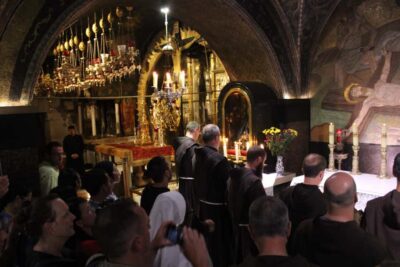

Jerusalem Half Day Tour: Holy Sepulchre and Western Wall
Read our review →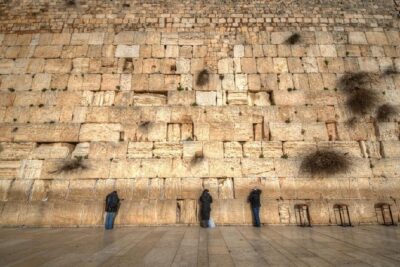
Jerusalem Half-Day Tour from Tel Aviv: Holy Sepulchre and Western Wall
Read our review →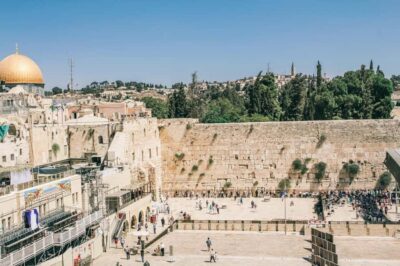
Browse the lists this tour appears in