
Reviewed · JERUSALEM OLD CITY TOURS
From Tel Aviv: Highlights of Jerusalem’s Old City
Jerusalem’s Old City packs centuries of faith and conflict into a small maze of stone lanes. This 10-hour tour gives you a broad first look, beginning with a panoramic view from Mount Scopus and then leading you through several of the city’s most important religious sites.
I like two things here: the route covers all four Old City quarters and adds Mount Zion, and transport from Tel Aviv keeps you from having to arrange the long journey yourself. The tradeoff is pace. You’ll see a lot in one day, but sacred sites, narrow lanes, and crowded market passages leave little room for lingering.
The schedule also changes on Mondays and Thursdays, except during Jewish holidays. On those days, the tour visits the Holocaust Museum instead of the Church of All Nations, King David’s Tomb, and the Room of the Last Supper, so check the day before booking.
In This Review
- Key points to know before you book
- Starting from Tel Aviv and reaching Jerusalem
- Mount Scopus gives you the big picture
- Entering through Zion Gate and the Armenian Quarter
- Byzantine Cardo and the Jewish Quarter
- The Western Wall, one of Jerusalem’s central places
- Walking the Via Dolorosa
- The Church of the Holy Sepulchre
- Market lanes and the Old City bazaar
- Gethsemane, the Church of All Nations, and the Kidron Valley
- Mount Zion and its three important stops
- The Monday and Thursday Holocaust Museum option
- How difficult is the day?
- What to wear and bring
- Who will get the most from this Jerusalem tour?
- Should you book it?
- FAQ
- How long does the Jerusalem tour last?
- Is hotel pickup included?
- Which languages are available?
- What sites are included on the standard schedule?
- Does the tour include food or drinks?
- What happens on Mondays and Thursdays?
- What clothing is required?
Key points to know before you book
- Mount Scopus opens the day: Start with a wide view across Jerusalem before entering the Old City.
- Four major Old City areas: Walk through the Armenian and Jewish Quarters, then continue toward the Christian Quarter and market streets.
- Western Wall and Holy Sepulchre: See two of Jerusalem’s most important sacred places in one walking route.
- Mount Zion adds a second historic cluster: Visit the Dormition Church, Room of the Last Supper, and King David’s Tomb on the standard schedule.
- Monday and Thursday changes matter: The Holocaust Museum replaces several Mount Zion and Garden of Gethsemane stops.
- Dress for religious sites: Shorts, short skirts, and sleeveless shirts are not permitted.
Starting from Tel Aviv and reaching Jerusalem
This is a full-day outing, lasting about 10 hours, with hotel pickup and drop-off included. You travel in an air-conditioned coach, which matters on a long day that combines a drive from Tel Aviv with hours of walking over stone streets and uneven surfaces.
Your exact pickup time and hotel should arrive by email from Bein Harim Israel Tours. Read that message carefully. If it does not arrive, contact the supplier at [email protected] before the tour date. The pickup system is practical, but it is not something to leave until the last minute.
The $94 price includes transport, a live guide, and entry fees. Food and drinks are not included. I see this as a fair price if you want a structured introduction to Jerusalem and prefer not to work out intercity transport, route planning, and site access on your own. It is less attractive if you already have a way to reach Jerusalem and want to spend a slow, independent day in the Old City.
The tour is available with an English, Spanish, or French-speaking guide. No guide names are provided, so you should choose your language when booking rather than assume every departure uses English.
More Jerusalem Old City Tours in Tel Aviv
- From Tel Aviv: Jerusalem Old City & Dead Sea Guided Day Tour
★ 4.4 · 389 reviews - Jerusalem Half-Day Tour from Tel Aviv: Holy Sepulchre and Western Wall
★ 4.0 · 61 reviews - From Tel Aviv: Jerusalem Old City Guided Tour
★ 4.6 · 59 reviews
Mount Scopus gives you the big picture
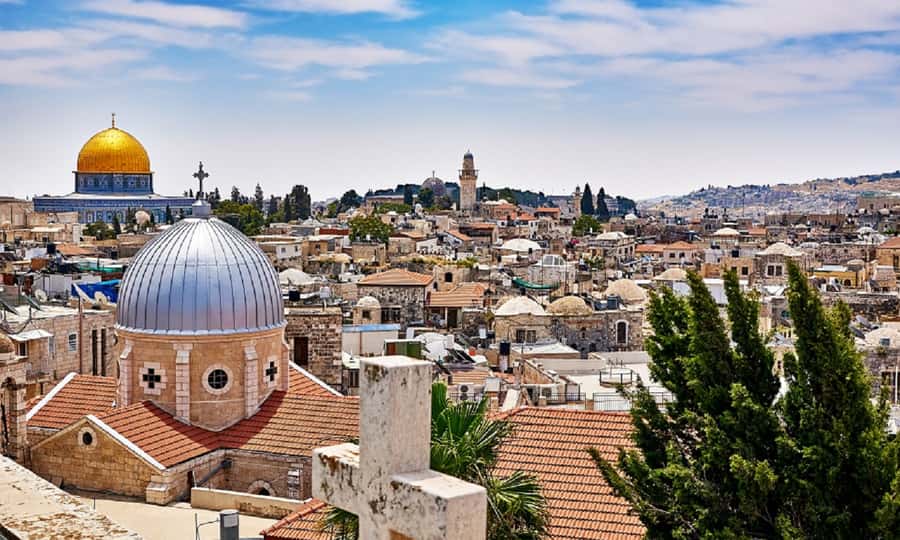
The day begins with a panoramic view of Jerusalem from Mount Scopus. This is a useful first stop because the Old City can feel confusing once you are inside it. From above, you get a sense of the city’s setting before entering its tight lanes and high stone walls.
The view also gives the day some breathing room before the walking starts. Jerusalem’s sacred center is dense with churches, synagogues, mosques, shrines, shops, and historic routes. Starting from a high point helps you understand that the Old City is not one single sight. It is a compact collection of districts with different traditions and atmospheres.
I would pay attention here, even if you are eager to reach the walls. The panoramic stop may be brief, but it gives the rest of the tour a clearer frame.
Entering through Zion Gate and the Armenian Quarter
The tour enters through historic Zion Gate and moves into the Armenian Quarter. Zion Gate is one of the Old City’s recognizable entrances, and it places you close to Mount Zion and the southern side of the walled center.
The Armenian Quarter is one of the Old City’s four traditional quarters. This section helps you begin with a quieter sense of the city before the route reaches the more heavily visited religious sites and market streets. You will be walking on old stone paving, so shoes with good support are a sensible choice.
The route does not treat the Old City as a quick photo stop. You move through its quarters on foot, which lets you see how the city changes from one section to the next. Still, keep your expectations realistic. This is a guided overview, not an open-ended wander. The group needs to stay together and keep to the schedule.
Byzantine Cardo and the Jewish Quarter
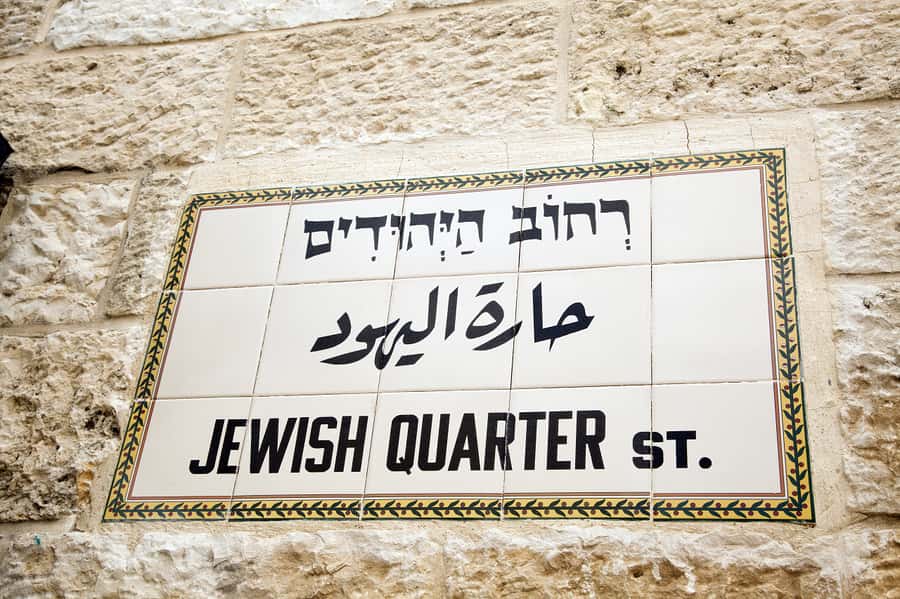
In the Jewish Quarter, you see the remains of the Byzantine Cardo. The Cardo was a central street in the city’s Byzantine period, and its surviving sections offer a physical reminder that Jerusalem has been rebuilt and reshaped many times.
I find this stop valuable because it adds an urban layer to the religious story. You are not only visiting holy places. You are also walking along the remains of an old city street, where public life, trade, and movement once centered.
The Jewish Quarter leads naturally toward the Western Wall. This part of the route can feel like a quick succession of important places, so listen closely to the guide and keep track of where you are. The Old City’s lanes can turn suddenly, and the group may move on before you have fully oriented yourself.
Same coast, a completely different kind of day:
- From Tel Aviv: Masada & Dead Sea Full Day Tour with Pick Up
★ 4.5 · 1,496 reviews - From Tel Aviv: Jerusalem and Bethlehem Guided Day Trip
★ 4.3 · 1,316 reviews - Masada and the Dead Sea Day Trip from Tel Aviv
★ 4.5 · 1,014 reviews - Tel Aviv: Jerusalem, Bethlehem & Dead Sea
★ 4.0 · 881 reviews
The Western Wall, one of Jerusalem’s central places
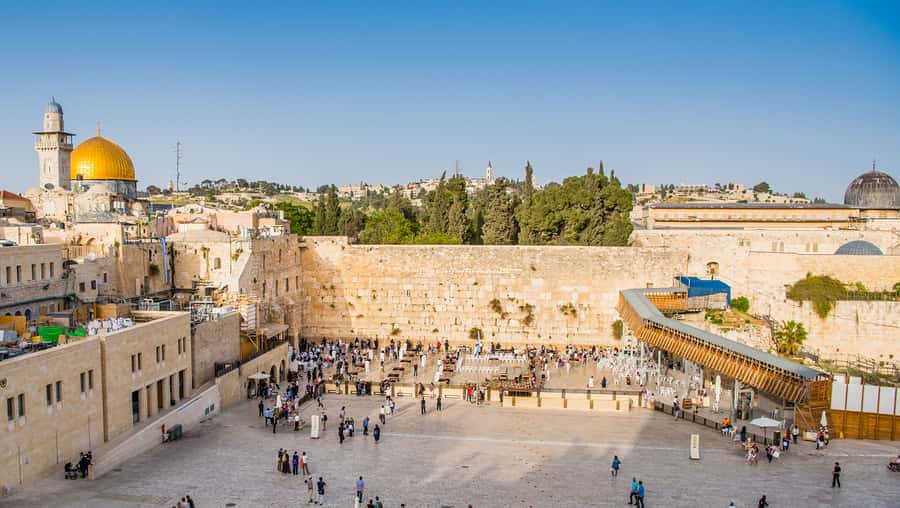
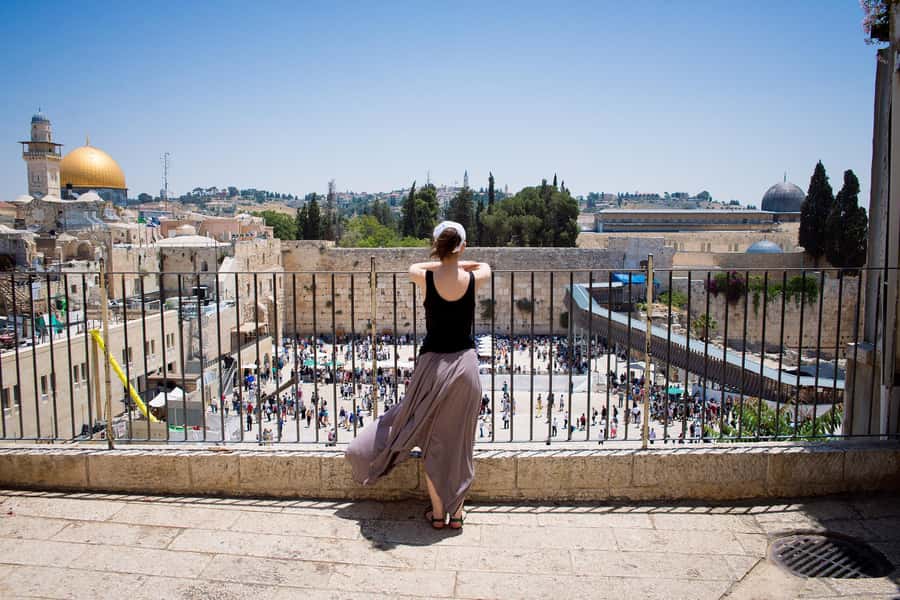
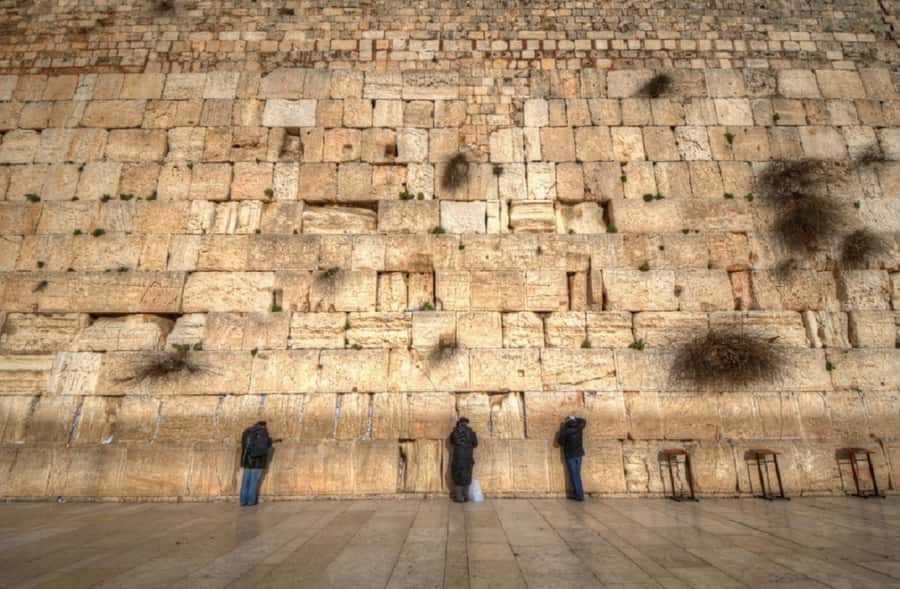
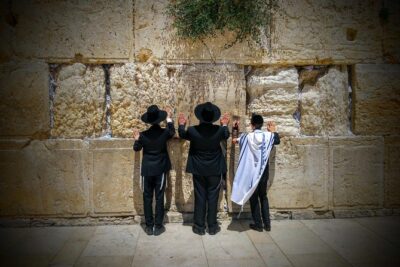
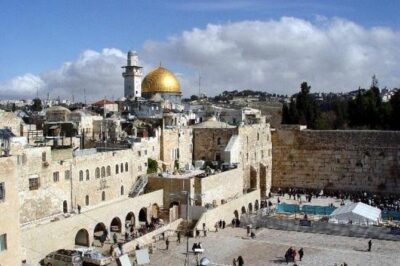
The Western Wall is one of the strongest moments of the day. It is a sacred Jewish site and a place of prayer, reflection, and pilgrimage. The scale is not the point. The power comes from the wall’s worn stones, the people gathered there, and the sense that this is an active place of worship rather than a preserved monument.
Your guide can help explain the setting, but you should also allow yourself a quiet moment. This is not simply another stop to photograph. Be respectful of people praying and follow any instructions about where to stand or walk.
Modest clothing is required at holy sites. Shorts, short skirts, and sleeveless shirts are not allowed, so plan your outfit for the whole day. You will visit more than one religious site, and dressing appropriately saves time and avoids an awkward change of plans.
Walking the Via Dolorosa
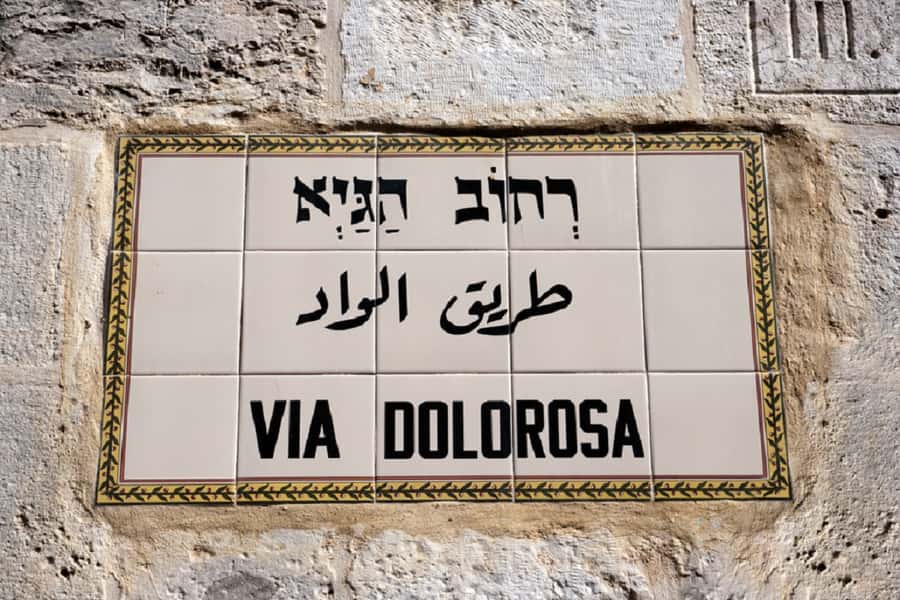
From the Jewish Quarter, the tour continues along the Via Dolorosa, the traditional route associated with Jesus. This is one of the Old City’s most famous walking routes, but it is also a working street lined with shops and daily activity.
The value here comes from the setting. You are following a route of religious meaning while moving through ordinary city lanes. The experience is not a quiet procession from one empty monument to another. You may find the route crowded, tight, and visually busy, which is part of what makes it feel like a real city rather than a museum display.
The walking can be demanding. Ten hours is a long day, and the tour moves between several areas. If you need frequent rest stops, this may feel rushed. The activity is not suitable for wheelchair users, and children under 4 are not permitted.
The Church of the Holy Sepulchre
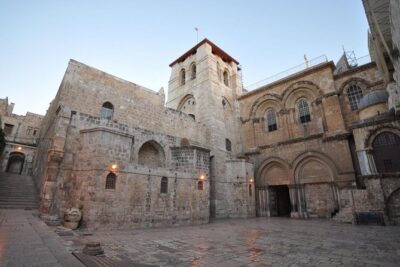
The Via Dolorosa leads to the Church of the Holy Sepulchre, one of Christianity’s most important churches. The church contains sites associated with the crucifixion and Christ’s tomb, along with centuries of religious objects and traditions.
This is a place where patience helps. The church’s importance draws worshippers and sightseers, and the interior can feel intense because several traditions and sacred points share one complex. You may not have much quiet time, but the visit gives you a direct look at a place central to Christian faith.
I like that the tour reaches the church on foot through the Via Dolorosa rather than treating it as an isolated attraction. The approach provides context. You see how the route, the streets, and the church fit together.
Market lanes and the Old City bazaar
After the major religious sites, the tour passes through the colorful stalls of the Old City bazaar. This is where the day shifts from formal sacred sites to the sensory side of Jerusalem. Shops line the narrow passages, and the route gives you a chance to see the city’s commercial life up close.
Food and drinks are not included, so this is the point where you may want to buy something if the schedule allows. The tour does not promise a dedicated meal stop, and a 10-hour outing can feel long without planning ahead. Ask the guide when you will have time to purchase food rather than assume you can stop whenever you like.
The market is also a good place to remember that this is a guided group visit. Stay aware of the meeting point and do not wander too far from the group. The lanes can be confusing, especially when you are focused on shop windows and street scenes.
Gethsemane, the Church of All Nations, and the Kidron Valley
The tour then goes to the Garden of Gethsemane and the Church of All Nations. These sites sit outside the dense core of the Old City and offer a different setting after the narrow lanes and stone passages.
The Garden of Gethsemane is associated with the final hours before Jesus’ arrest. The Church of All Nations is tied to the same religious story and is known for its solemn atmosphere. You should expect a short, focused visit rather than a long period for personal reflection.
The route also includes a view of the Kidron Valley and its ancient Jewish tombs. This is another useful change of scale. Instead of looking closely at walls, doorways, and church interiors, you see an open valley edged by old burial sites.
On Mondays and Thursdays, except during Jewish holidays, this portion changes. The tour visits the Holocaust Museum instead of the Church of All Nations, the Mount Zion sites, and King David’s Tomb. That is a major substitution, not a minor adjustment, so choose your day with care.
Mount Zion and its three important stops
On the standard schedule, the day continues to Mount Zion. Here you see the Dormition Church and visit the Room of the Last Supper and King David’s Tomb.
The Room of the Last Supper is traditionally linked with the final meal of Jesus and his disciples. King David’s Tomb is a Jewish holy site associated by tradition with King David. Seeing both places in the same section of the tour shows how several faiths connect their most important stories to the same hilltop area.
The Dormition Church adds another Christian site to the day. By this point, you will have seen major locations tied to Judaism and Christianity, along with the streets and quarters that connect them.
Mount Zion is a strong finish because it gathers several sites close together. The drawback is that it comes late in a long day. If you are tired, the final stops may require extra effort. Take water with you and use any pauses the guide provides.
The Monday and Thursday Holocaust Museum option
If you take the tour on a Monday or Thursday, except during Jewish holidays, the schedule includes the Holocaust Museum instead of the Church of All Nations, the Garden of Gethsemane portion, and the Mount Zion sites listed above.
The museum adds a serious modern chapter to the day. It is not interchangeable with the religious sites, and you should book with a clear idea of which version you want. If your priority is King David’s Tomb and the Room of the Last Supper, avoid those days when possible.
Children under 10 are not permitted to visit Yad Vashem because of the sensitive content. The provided information refers to the Holocaust Museum and Yad Vashem in this rule, so families should confirm the exact schedule and age requirements before booking.
How difficult is the day?
This tour is not described as a hiking excursion, but you should expect a great deal of walking. The Old City has narrow lanes and stone paving, and the day combines several quarters with sites outside the main walls.
I would rate the main challenge as length and pace rather than distance alone. You leave Tel Aviv, visit Jerusalem’s major points, and return on a 10-hour schedule. That suits you if you want to cover a lot in one day. It may not suit you if you prefer long café stops, independent photography, or unhurried time inside churches.
The tour is not suitable for wheelchair users. Children under 4 are not permitted, and the Holocaust Museum option has additional age restrictions for children under 10.
What to wear and bring
Modest clothing is required at the holy sites. Avoid shorts, short skirts, and sleeveless shirts. A practical outfit should work for both religious buildings and a full day outdoors.
Wear comfortable shoes for the Old City paving. Bring water and plan for food, since meals and drinks are not included. You may also want a small bag that is easy to carry through narrow streets.
The most useful preparation is mental. Jerusalem asks you to shift quickly between sacred spaces, historic remains, market lanes, and modern tour logistics. If you expect a broad introduction rather than long private visits, the day will make more sense.
Who will get the most from this Jerusalem tour?
I would choose this tour if you are staying in Tel Aviv and want to see Jerusalem without arranging transport or building a complicated route. It is especially useful for a first visit, since it connects the Western Wall, Via Dolorosa, Church of the Holy Sepulchre, Mount Zion, and several other sites in one day.
It also suits you if you want a guide speaking English, Spanish, or French and prefer the reassurance of included entry fees and hotel pickup. The high 4.8 rating is based on only three reviews, so I would treat it as encouraging but not a large body of evidence. The one verified review, from a visitor from Greece dated February 11, 2026, praised the Old City experience strongly enough to express a wish to return.
I would hesitate if your main goal is a slow, personal study of one quarter or a long visit inside each church. The route covers a great deal, and the schedule changes on Mondays and Thursdays. Those details matter more than the headline list of sights.
Should you book it?
Book this tour if you want a well-packed first day in Jerusalem from a Tel Aviv hotel, with transport, guide services, and entry fees handled for you. The combination of the Western Wall, Byzantine Cardo, Via Dolorosa, Holy Sepulchre, Old City bazaar, and Mount Zion gives you a strong sense of the city’s major sacred and historic areas.
Before paying, check three things: your pickup email, the language of the guide, and the day of the week. Avoid Monday and Thursday if the Church of All Nations and Mount Zion sites are your priorities. With free cancellation up to 24 hours before departure and a reserve-now, pay-later option, the booking terms also give you some flexibility.
FAQ
How long does the Jerusalem tour last?
The tour lasts 10 hours, including transport from Tel Aviv and the return journey.
Is hotel pickup included?
Yes. Hotel pickup and drop-off are included. Bein Harim Israel Tours sends the final pickup time and pickup hotel by confirmation email.
Which languages are available?
The live guide is available in English, Spanish, or French.
What sites are included on the standard schedule?
The standard route includes a Mount Scopus viewpoint, Zion Gate, the Armenian Quarter, the Jewish Quarter, the Byzantine Cardo, the Western Wall, the Via Dolorosa, the Church of the Holy Sepulchre, the Old City bazaar, the Garden of Gethsemane, the Church of All Nations, the Kidron Valley, the Dormition Church, the Room of the Last Supper, and King David’s Tomb.
Does the tour include food or drinks?
No. Food and drinks are not included.
What happens on Mondays and Thursdays?
On Mondays and Thursdays, except during Jewish holidays, the tour visits the Holocaust Museum instead of the Church of All Nations, King David’s Tomb, and the Room of the Last Supper on Mount Zion.
What clothing is required?
Modest clothing is required at the holy sites. Shorts, short skirts, and sleeveless shirts are not allowed.
Just added around Tel Aviv
- private Full-day Tour to Jericho + the Dead Sea★ 5.0 · 3 reviews
- VIP Tel Aviv airport Terminal 3 Fast Track Skip Line From plane★ 4.5 · 9 reviews
- Jerusalem and Dead Sea Trip from Tel Aviv★ 4.0 · 6 reviews
- Package VIP Skip Line Services in BGN Airport with Transfer to Tel aviv Hotels★ 5.0 · 3 reviews
- Food & Drink Private Guided Tour in Tel Aviv★ 5.0 · 3 reviews
- The Golan heights★ 5.0 · 4 reviews
- Haifa Acre and Rosh Ha-Nikra Private Tour from Tel Aviv★ 5.0 · 5 reviews
- The full walk of Tel Aviv! – The city,Jaffa and the German colony★ 4.0 · 4 reviews
Jerusalem Old City Tours, compared.
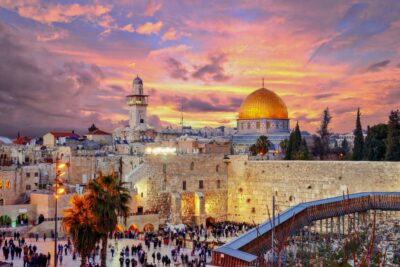
From Tel Aviv: Jerusalem Old City & Dead Sea Guided Day Tour
Read our review →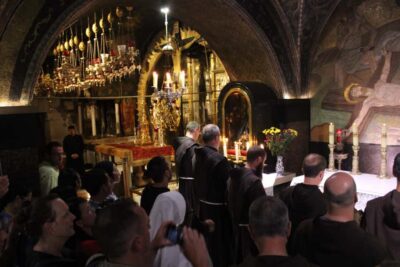
Jerusalem Half Day Tour: Holy Sepulchre and Western Wall
Read our review →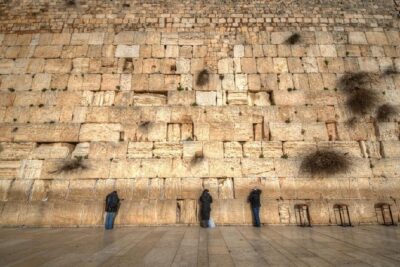
Jerusalem Half-Day Tour from Tel Aviv: Holy Sepulchre and Western Wall
Read our review →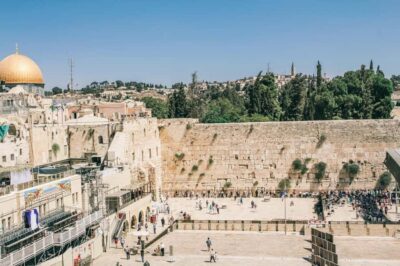
Browse the lists this tour appears in