
Reviewed · CITY TOURS
City of David and Underground Jerusalem Day Trip from Tel Aviv
Jerusalem’s oldest story comes alive underground at the City of David, where excavations and ancient water systems reveal the first foundations of the city. The day also links major Jewish and Christian sites, from the Mount of Olives and Garden of Gethsemane to King David’s Tomb, the Jewish Quarter, and the Western Wall.
I like the wide range of the day and the chance to see Jerusalem’s main historic quarters without arranging several separate visits. I also like the practical hotel pickup, air-conditioned coach, and guides such as Daniel, Charlie, Yoel, and Itamar, who have been praised for clear explanations and real enthusiasm. The drawback is simple: this is a packed ten-hour outing with hills, heat, and narrow tunnels, and the quality of the day can depend heavily on the guide and transport arrangements.
In This Review
- Key points to know before booking
- Why this Jerusalem day trip works from Tel Aviv
- The first views from Mount Scopus or the Mount of Olives
- Mount Zion, King David’s Tomb, and the Last Supper site
- Entering through Zion Gate and walking the Old City
- The Sephardic Synagogues and Herodian Mansions
- The Byzantine Cardo and the Western Wall
- City of David: the day’s most unusual stop
- Underground tunnels, water, and narrow spaces
- Guides can make or break the day
- Food, clothing, and what to bring
- Who should book this Jerusalem tour?
- Should you book it?
- FAQ
- How long does the tour last?
- Is hotel pickup included?
- Is transportation provided?
- What sites are included?
- Are admission fees included?
- What should I wear?
- Is the tour suitable for children and people who dislike narrow spaces?
Key points to know before booking
- The City of David is the main archaeological focus: Expect excavations, Warren’s Shaft, and underground remains rather than polished museum displays.
- The day covers a lot of ground: You may walk around five miles, often on slopes and uneven Old City paving.
- The Mount viewpoint needs clarification: The schedule names Mount Scopus National Botanical Garden, while the main description calls it the Mount of Olives.
- Underground routes can be tight and wet: A tunnel option may involve water up to knee level, and a small torch is useful.
- The entry fee is extra: Plan on roughly $10 per person for admissions, with the City of David among the paid stops.
- Religious sites require modest clothing: Cover knees and shoulders for men and women, and skip shorts.
Why this Jerusalem day trip works from Tel Aviv
At $99 per person, this is priced as a convenient full-day transport and guiding package rather than a cheap sightseeing shuttle. Hotel pickup and drop-off remove the hassle of reaching Jerusalem early, while the air-conditioned coach matters on hot days and after hours on foot.
I see the value in the range. In one day, you move from panoramic views to biblical sites, Roman and Byzantine remains, Jewish Quarter buildings, and active archaeology. You will not study any one place at museum length, but you will get a strong first look at Jerusalem’s major historic areas.
The tour operates with at least two participants and allows a maximum of 40. That gives the operator room to run small departures, but you should also be prepared for a larger coach group. A few accounts describe transfers and waiting before or after the tour, so the transport may not always feel like a direct ride from Tel Aviv to Jerusalem.
The start is around 7:15 am, and the full outing lasts about ten hours. I would treat this as a serious sightseeing day, not a relaxed city stroll. Bring water, wear shoes with good grip, and keep your expectations focused on coverage rather than long free periods.
A few more Tel Aviv trips to weigh up
- From Tel Aviv: Jerusalem and Bethlehem Guided Day Trip
★ 4.3 · 1,316 reviews - Masada and the Dead Sea Day Trip from Tel Aviv
★ 4.5 · 1,014 reviews - From Tel Aviv: Guided Day Trip to Nazareth & Sea of Galilee
★ 4.4 · 824 reviews
The first views from Mount Scopus or the Mount of Olives
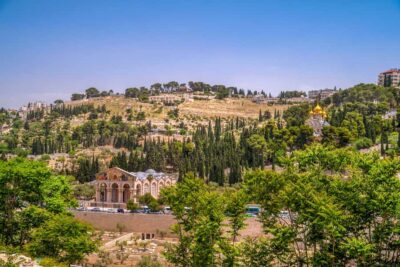
The opening viewpoint gives you a chance to understand Jerusalem’s layout before entering the Old City. The schedule lists Mount Scopus National Botanical Garden, while the tour description refers to the Mount of Olives. Either way, the purpose is the same: look across the Old City and identify major landmarks with help from the guide.
The view includes the Temple Mount area and the Old City walls. This is one of the most useful parts of the morning because Jerusalem can feel confusing at street level. From above, you can begin to see how the valleys, walls, and holy sites fit together.
The stop is listed at about 30 minutes. That is enough for orientation and photographs, but not enough for a long visit to the surrounding area. One account felt the viewpoint was seen mainly from the bus window, so I would confirm the exact stopping arrangement when booking if this panorama is especially important to you.
From there, the coach passes through the Kidron Valley and by the Garden of Gethsemane. The garden is traditionally linked with Jesus praying before his crucifixion. The route gives you religious context as you move toward Mount Zion, though the schedule suggests that the valley and garden may be viewing or passing stops rather than extended visits.
Mount Zion, King David’s Tomb, and the Last Supper site
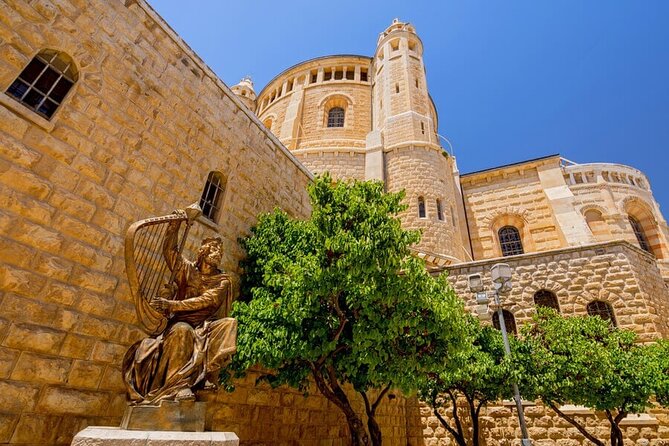
Mount Zion brings together traditions from different periods and faiths. The stop at King David’s Tomb is brief, about ten minutes, and centers on the revered tomb site and sarcophagus.
The traditional identification is important, but it is also worth keeping your historical expectations in check. The site is revered as King David’s Tomb, yet the exact burial claim is debated. The explanation can be brief, so ask the guide if you want to understand why the tradition and the archaeological question do not fully match.
Nearby, the Hall of the Last Supper occupies a place traditionally associated with Jesus’ final meal with his disciples. The present structure has changed over time, and the tour’s value here is partly in showing how layers of religious tradition overlap in a small area.
These are short visits, so I would not expect extensive quiet time or a long personal meditation. They work best as part of the larger story of Jerusalem, especially if your guide explains how Jewish and Christian traditions have shaped the city.
Entering through Zion Gate and walking the Old City
The group enters through Zion Gate, a practical and memorable route into the Old City. The gate itself bears evidence of past fighting, and stepping through it marks the shift from broad roadways to enclosed lanes and stone-paved passages.
The route includes the Armenian Quarter, with about 20 minutes of walking, followed by time in the Jewish Quarter. The Armenian Quarter is quieter than some parts of the Old City, and the short walk gives you a glimpse of Jerusalem’s distinct communities rather than presenting the center as one single neighborhood.
The Jewish Quarter receives roughly an hour. This is where the tour begins to connect modern Jerusalem with the remains of earlier Jewish life. You may see rebuilt streets and religious buildings alongside archaeological traces, a reminder that the quarter has been damaged, rebuilt, and reshaped more than once.
I like this part because the guide can provide context that is difficult to pick up while walking alone. The tradeoff is pace. With a group and several stops still ahead, you will not have unlimited time to wander down every lane.
Same coast, a completely different kind of day:
- From Tel Aviv: Masada & Dead Sea Full Day Tour with Pick Up
★ 4.5 · 1,496 reviews - Tel Aviv: Jerusalem, Bethlehem & Dead Sea
★ 4.0 · 881 reviews - From Tel Aviv: Jerusalem Old & New City Bus Tour
★ 4.2 · 824 reviews - From Tel Aviv: Caesarea, Haifa and Akko Day Trip
★ 4.4 · 744 reviews
The Sephardic Synagogues and Herodian Mansions
The Four Sephardic Synagogues are listed as a 20-minute visit, with admission not included. These synagogues offer a look at the religious life of Jerusalem’s Sephardic Jewish community and add a more intimate stop to a day otherwise filled with broad historical landmarks.
If access to the Spanish synagogues is not possible, the itinerary says the Hurva Synagogue may be substituted. That flexibility is useful, but it means you should not treat the Four Sephardic Synagogues as guaranteed.
The Herodian Mansions show a different side of the Jewish Quarter. Excavations reveal luxurious homes associated with Jerusalem’s elite more than 2,000 years ago, including marble walls and mosaics. Their placement on terraces gave residents views toward the Temple area.
I find this stop valuable because it moves beyond famous religious sites. Instead of seeing only walls and worship spaces, you get a glimpse of how wealthy residents lived. The remains are archaeological fragments, not intact houses, so the guide’s explanation does much of the work.
The Byzantine Cardo and the Western Wall
The Cardo takes about 20 minutes. This former Byzantine thoroughfare helps you picture Jerusalem as a Roman and Byzantine city, not only as the setting of biblical events. Columns, paving, and reconstructed sections make the ancient street pattern easier to understand.
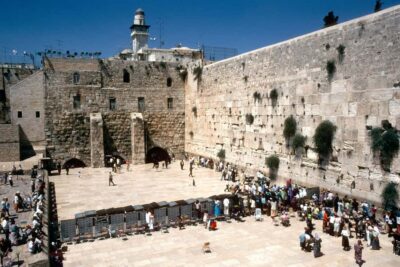
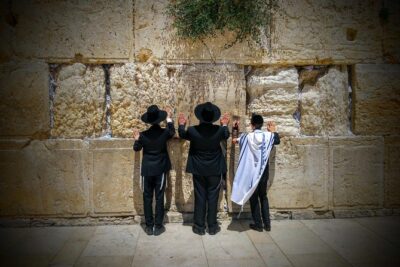
The Western Wall visit is listed at about 20 minutes. That is short, but the schedule allows some personal time, which is important at a site where you may want to pause rather than simply take a photograph.
Dress carefully for this part of the tour. The required standard is modest: knees and shoulders covered for both men and women. Shorts can lead to refused entry at religious sites or selected museums. I would bring a light layer even in warm weather so you can adjust without losing time.
The Old City route includes slopes, steps, and uneven paving. Comfortable walking shoes are not optional for most people. The total walking can reach about five miles, and one account specifically described the hills as a major part of the effort.
City of David: the day’s most unusual stop
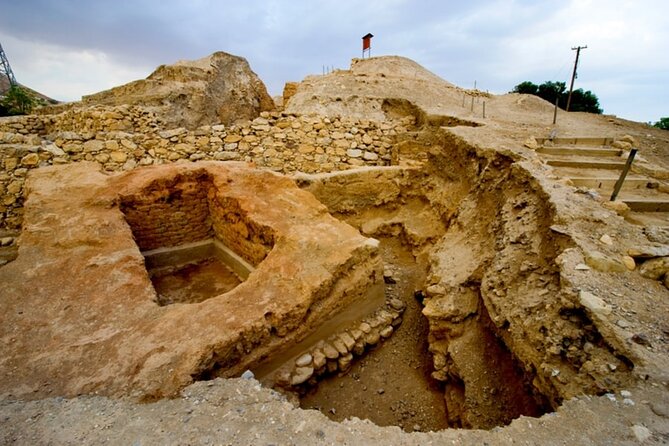
South of the Old City, the City of David marks the early settlement linked with Jerusalem more than 3,000 years ago. This is the tour’s strongest stop for archaeology, especially if you prefer physical remains and excavation sites to grand religious interiors.
You will see ongoing excavations and Warren’s Shaft, an underground feature connected with the ancient water system. The remains are not always easy to read at first glance. I would listen closely to the guide, since the significance comes from how the shaft, water supply, settlement, and defenses fit together.
The visit lasts about 90 minutes, making it one of the longest stops. Construction in parts of the site can interrupt the view, and some areas may feel less polished than the Old City. That is also part of the point: this is an active archaeological area, not a finished historical set.
Admission is not included. The supplied cost estimate is about $10 per person, though you should confirm the current amount before departure. Since the tour price already covers transport and guiding, the extra fee is not a surprise, but it should be included in your budget.
Underground tunnels, water, and narrow spaces
The underground section is the most memorable part for many people, but it is also where you need to judge your comfort level. Some passages are very narrow, and one guide, Itamar, was specifically praised for warning that anyone uneasy in enclosed spaces should think twice.
A possible Hezekiah’s Tunnel route may involve water up to knee level. The tour information does not promise that this option will be part of every departure, so ask before you set out. If it is available and you want to take it, bring clothing and footwear suited to getting wet.
A small torch or phone light can help. One person wished the need for a torch had been explained in advance, which is a useful planning tip. Do not assume the underground route will be a dry, broad walkway.
I would choose the tunnel option only if you are comfortable with tight spaces, uneven footing, and water. If not, ask whether there is a drier route. You can still appreciate the City of David without forcing yourself into a passage that feels unsafe.
Guides can make or break the day
The strongest praise has focused on guides who bring the history to life without losing control of the schedule. Daniel was singled out for watching the group carefully in hot weather and making sure people were hydrated. Charlie was praised for passion and clear historical explanation, while Yoel was credited with balancing guided touring and personal time. Itamar was praised for making the day engaging and for explaining the tunnel conditions.
That range also points to the main uncertainty. Some accounts describe a rushed morning, slow pacing later, or a guide who was unpleasant. Another departure had a guide leave from the meeting point, followed by a replacement guide who turned the experience around.
I would not book this tour expecting a fully uniform experience from one departure to the next. The itinerary is ambitious, and a good guide must manage timing, heat, religious etiquette, and a group moving through crowded historic areas. If your guide is strong, the day can feel like a connected story. If not, it can feel like a checklist.
Food, clothing, and what to bring
Food and drinks are not included. Set aside money for lunch and carry water from the start, especially during the warmer months. One poor account described an unwanted restaurant arrangement, so I would ask clearly how the meal break works and whether you have a choice.
Pack the following:
- Water and a refillable bottle
- Comfortable walking shoes with traction
- A light covering for shoulders and knees
- A small torch for dark passages
- Spare clothing if you plan to enter water
- Sun protection for exposed viewpoints
Children under four cannot join this activity. Most people can participate, but the walking and tunnel conditions may be difficult for anyone with limited stamina or discomfort in enclosed places.
Who should book this Jerusalem tour?
I would choose this trip if you are staying in Tel Aviv and want one organized day covering the Old City and early Jerusalem archaeology. It suits first-time visitors who value historical explanation and want hotel transport instead of arranging a separate journey.
It also works well for people with a strong interest in biblical history, Jewish heritage, religious sites, and archaeology. The City of David adds something different from a standard Old City walk, and the underground sections give the day a physical sense of place.
I would look elsewhere if you want a slow day, long time at each religious site, or a flexible food-and-shopping schedule. The tour does not focus on every quarter of Jerusalem, and one account specifically wished for a different afternoon attraction instead of the City of David.
At $99, the value is best when you use the included transport and guide fully. Add the roughly $10 admission, food, and any personal expenses, then decide if the convenience is worth more than traveling independently. For many visitors based in Tel Aviv, it will be, especially on a first Jerusalem visit.
Should you book it?
Book this tour if you want a packed introduction to Jerusalem with the City of David as the centerpiece. The combination of Mount views, Mount Zion, Old City quarters, synagogues, the Western Wall, and underground archaeology gives you a broad day with plenty of historical texture.
Before paying, confirm the viewpoint, the exact tunnel option, the admission cost, and the meal arrangement. If you can handle five miles of walking, hills, heat, modest dress rules, and possibly tight wet passages, this is a strong use of one day. If you need a gentle pace or guaranteed time at every landmark, choose a smaller or more focused tour instead.
FAQ
How long does the tour last?
The experience lasts approximately 10 hours, beginning around 7:15 am and ending with hotel drop-off in Tel Aviv.
Is hotel pickup included?
Yes. Pickup and drop-off at hotels are included, with pickup offered from central Tel Aviv.
Is transportation provided?
Yes. Transport is by air-conditioned vehicle or coach.
What sites are included?
The route includes a Mount Scopus or Mount of Olives viewpoint, the Kidron Valley, Garden of Gethsemane, Zion Gate, the Old City, Armenian Quarter, Jewish Quarter, Cardo, Western Wall, City of David, King David’s Tomb, and the Four Sephardic Synagogues.
Are admission fees included?
No. Entrance fees are separate and are estimated at about $10 per person. Food and drinks are also not included.
What should I wear?
You need modest clothing for religious sites and selected museums. Knees and shoulders must be covered for both men and women, and shorts should be avoided.
Is the tour suitable for children and people who dislike narrow spaces?
Children under four cannot participate. The tour includes substantial walking and may include narrow underground passages, so it may not suit anyone uncomfortable in enclosed areas.
Just added around Tel Aviv
- private Full-day Tour to Jericho + the Dead Sea★ 5.0 · 3 reviews
- VIP Tel Aviv airport Terminal 3 Fast Track Skip Line From plane★ 4.5 · 9 reviews
- Jerusalem and Dead Sea Trip from Tel Aviv★ 4.0 · 6 reviews
- Package VIP Skip Line Services in BGN Airport with Transfer to Tel aviv Hotels★ 5.0 · 3 reviews
- Food & Drink Private Guided Tour in Tel Aviv★ 5.0 · 3 reviews
- The Golan heights★ 5.0 · 4 reviews
- Haifa Acre and Rosh Ha-Nikra Private Tour from Tel Aviv★ 5.0 · 5 reviews
- Urban Walking & Food Tour in Tel Aviv★ 5.0 · 7 reviews
City Tours, compared.
From Tel Aviv: Jerusalem Old & New City Bus Tour
Read our review →
From Tel Aviv: Jerusalem Old City & Dead Sea Guided Day Tour
Read our review →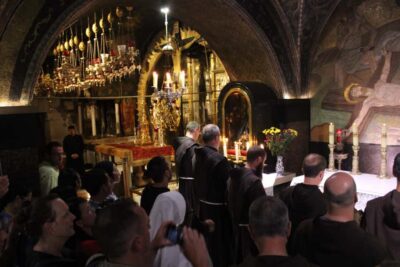
From Jerusalem Small group tour Old&New City ENTRY FEES INCL
Read our review →
Browse the lists this tour appears in